
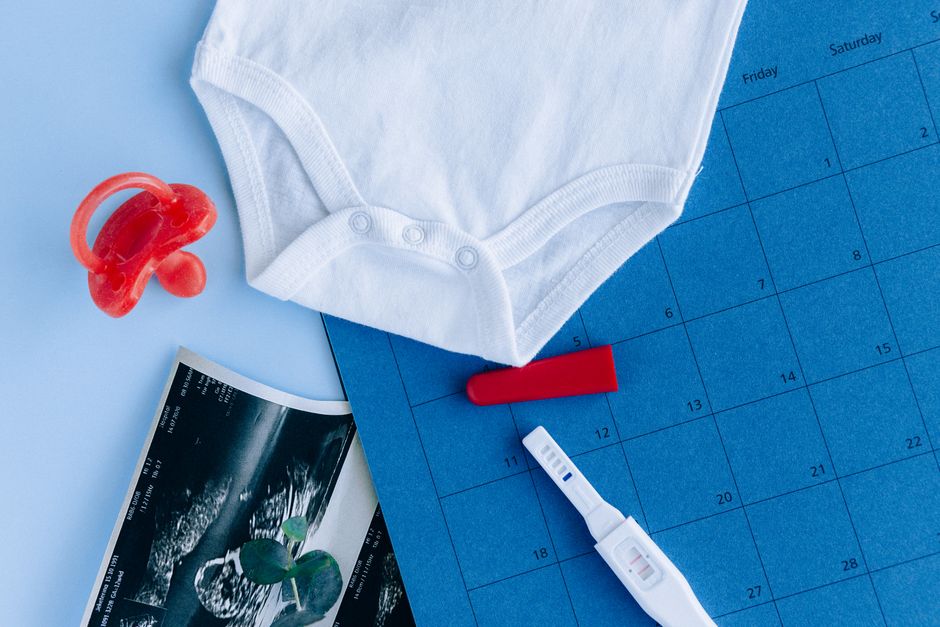
A pelvic ultrasound is one of the most common imaging tests in women’s health, and in most cases the preparation is simple: you may need to arrive with a full bladder, or you may need to empty it, depending on which type of exam your doctor ordered. The single most important step is to confirm with your provider whether you are having a transabdominal ultrasound, a transvaginal ultrasound, or both. Each type has different prep instructions, and getting them right can mean the difference between a clear image and a repeat appointment.
How To Prepare For A Pelvic Ultrasound Exam
Preparation depends entirely on the approach your doctor plans to use. There are two main types, and they are often done together in the same visit.
A transabdominal ultrasound uses a handheld probe placed on your lower belly. Sound waves pass through your skin and full bladder to create images of the uterus, ovaries, and surrounding structures. A full bladder acts like a window — it pushes the bowel out of the way and gives the sound waves a clear path. This is why you are usually asked to drink water and hold your urine before this exam.
A transvaginal ultrasound uses a thin, wand-like probe inserted into the vagina. It sits much closer to the pelvic organs, so it produces more detailed images, especially of the ovaries and uterine lining. For this exam, an empty bladder is better. A full bladder actually gets in the way.
If your doctor orders both, the typical routine is: arrive with a full bladder for the abdominal portion, then empty your bladder before the transvaginal portion. Staff will usually guide you through this step by step.
Beyond bladder instructions, there is not much else to do. Most pelvic ultrasounds require no fasting, no medication changes, and no bowel prep. You can eat and drink normally unless you have been told otherwise for a separate reason.
Do I Need a Full Bladder or an Empty Bladder?
The answer depends on the type of exam, and this is where most confusion happens. Getting it wrong is the most common reason an appointment gets delayed or repeated.
- Transabdominal only: Full bladder. Usually you are asked to drink a set amount of water about an hour before and not urinate until the scan is done.
- Transvaginal only: Empty bladder. You may be asked to urinate shortly before the exam.
- Both: Full bladder first, then empty before the vaginal portion.
Your provider’s office will give you exact instructions, including how much to drink and when. Follow those specific instructions over any general advice you read online, because timing varies by clinic.
If you arrive and your bladder is not full enough, you may be asked to drink more water and wait. If it is too full and uncomfortable, you may be allowed to partially empty it. Staff handle this routinely, so it is not a problem — just a delay.
What Should I Wear and Expect During the Exam?
Wear comfortable, loose clothing that is easy to remove or adjust. In most cases you will undress from the waist down and be given a sheet or gown to cover yourself. Some clinics let you keep your own clothes if you wear a two-piece outfit or a skirt.
The exam itself is generally not painful. For a transabdominal scan, you lie on your back and a technician moves the probe across your lower belly using a clear gel. You may feel mild pressure, especially if your bladder is full.
For a transvaginal scan, the probe is covered with a clean sheath and lubricant. It is inserted a few inches into the vagina. Most people describe it as uncomfortable rather than painful. You can ask the technician to go slower or pause at any point. The probe is about the width of a tampon, and the insertion is brief.
A full pelvic ultrasound usually takes 15 to 30 minutes. In some cases it takes longer if the technician needs extra views or if your anatomy makes imaging more difficult.




Does a Pelvic Ultrasound Require Fasting or Other Restrictions?
No fasting is required for a standard pelvic ultrasound. You can eat normally. This is different from some abdominal ultrasounds — for example, a scan of the liver or gallbladder — which often require you to avoid food for several hours. Pelvic imaging does not.
There are a few situations where your doctor may add instructions:
- If you are also having a kidney or abdominal scan in the same visit, fasting rules may apply to that portion.
- If you take medications, keep taking them unless told otherwise.
- If you use tampons, you may be asked to remove one before a transvaginal exam. This is a comfort and image-clarity issue, not a safety one.
Some clinics ask you to avoid carbonated drinks before a transabdominal scan, because gas in the bowel can blur the image. This is a practical tip, not a strict rule, and not all clinics require it.
Can I Have a Pelvic Ultrasound During My Period?
Yes. Having your period does not prevent a pelvic ultrasound, and in some cases it is actually scheduled on purpose. If your doctor is evaluating the uterine lining or checking for polyps, certain days of your cycle give clearer images.
For a transvaginal exam during your period, you can usually wear a pad to the appointment and remove it beforehand. A tampon should be removed before the scan. The technician has seen this many times and it is not an issue.
If the timing matters for your specific reason for the scan, your provider will tell you which day of your cycle to schedule. If they have not mentioned it, you can ask.
What If I Am Pregnant or Think I Might Be?
Pelvic ultrasound is a standard part of pregnancy care and is considered safe in pregnancy. It is used to confirm the pregnancy, date it, check the baby’s growth, and look at the placenta and amniotic fluid. No radiation is involved — ultrasound uses sound waves, not X-rays.
If you might be pregnant and are scheduled for a pelvic ultrasound for a non-pregnancy reason, tell the technician and your doctor before the exam. This changes how they approach the scan and what they look for. It does not usually cancel the exam, but it does change the plan.
Preparation for a pregnancy-related ultrasound follows the same bladder rules as any other pelvic scan, based on whether it is transabdominal, transvaginal, or both. First-trimester scans are often transvaginal because the uterus is still small and the images are clearer that way.
What Happens After the Exam?
You can go back to your normal routine right away. There is no recovery time, no sedation, and no restrictions on driving or eating afterward. If you had a full bladder, you can urinate as soon as the scan is done.
You may have a small amount of clear gel left on your skin, which wipes off easily. Some people notice minor spotting after a transvaginal exam, but this is uncommon and usually settles on its own. If you have pain, heavy bleeding, or fever afterward, contact your doctor.
Results are read by a radiologist or your doctor and are usually available within a few days. The technician who performs the scan typically cannot give you results on the spot, because a physician reviews the images. Ask your provider’s office when and how you will hear back.
Frequently Asked Questions
Do I need to shave or do anything special before a pelvic ultrasound?
No. There is no special grooming or hygiene preparation required. Just follow the bladder instructions your provider gives you.
Can I eat before a pelvic ultrasound?
Yes, eating is fine for a standard pelvic ultrasound. Fasting is only needed if you are also having a scan that requires it, such as a gallbladder or liver ultrasound.
How long does a pelvic ultrasound take?
A typical pelvic ultrasound takes about 15 to 30 minutes. It may run longer if extra images are needed.
Is a pelvic ultrasound painful?
Most people feel pressure or mild discomfort, not pain. A transvaginal exam can be uncomfortable, but you can ask the technician to pause or adjust at any time.
