
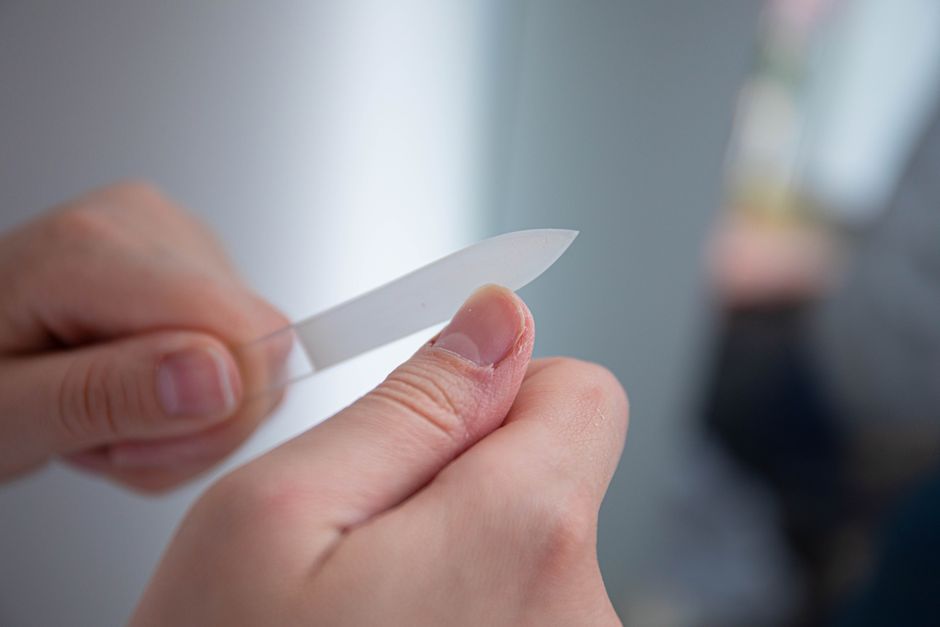
An ingrown fingernail happens when the edge of a fingernail grows into the skin beside it, causing pain, redness, and swelling. Unlike ingrown toenails, which are common, ingrown fingernails are less frequent but can be just as painful. The condition usually develops on the thumb or index finger and can become infected if left untreated. Treatment ranges from simple soaking at home to a minor medical procedure when the nail digs deep into the tissue.
What Is An Ingrown Fingernail? Causes And Treatment
An ingrown fingernail occurs when the nail plate curves and penetrates the surrounding skin, known as the lateral nail fold. The body responds to this injury with inflammation, which causes the classic symptoms of throbbing pain, redness, and swelling. If bacteria enter through the broken skin, an infection can develop, leading to pus and increased tenderness.
The condition is medically called onychocryptosis, the same name used for ingrown toenails. The fingernail version follows the same basic process but happens far less often because fingers are not subjected to the same pressure and friction as toes inside shoes.
What Causes an Ingrown Fingernail?
The most common cause is improper nail trimming. Cutting nails too short, especially at the corners, leaves a sharp edge that can pierce the skin as the nail grows forward. Tearing or ripping nails instead of cutting them straight across creates jagged edges that catch on skin.
Trauma is another frequent trigger. Stubbing a finger, dropping something heavy on it, or repeatedly pressing the fingertip during activities like typing or playing guitar can push the nail into the surrounding tissue. Even a minor injury can cause the nail to grow abnormally afterward.
Some people are simply born with nails that curve naturally. This inherited trait, called nail curvature, makes the nail more likely to dig into the skin. Fungal infections can also thicken the nail and change its shape, increasing the risk of ingrowth.
Certain medications have been linked to ingrown nails. Drugs in the class called EGFR inhibitors, used for some cancers, can cause nail changes that lead to ingrown fingernails as a side effect.
What Are the Symptoms?
The first sign is usually tenderness along the side of the nail. Pressing on the area produces a sharp pain that gets worse over time. The skin next to the nail becomes red and swollen, and the fingertip may feel warm to the touch.
As the condition progresses, the pain can become constant rather than just on pressure. Walking or using the hand for everyday tasks becomes uncomfortable. If infection sets in, you may notice yellow or green pus draining from the area. The skin may also develop a crusty or weeping appearance.
In severe cases, the body tries to heal the wound by growing extra tissue, called granulation tissue, over the nail edge. This soft pink bump can bleed easily and makes the area even more painful.





Can an Ingrown Fingernail Heal on Its Own?
Mild cases can resolve without medical treatment. If the nail has only slightly irritated the skin and no infection is present, careful home care may allow the nail to grow out past the skin edge naturally. This typically takes one to two weeks.
However, once the nail has actually pierced the skin and infection develops, it rarely heals on its own. The nail continues to grow forward and keeps re-injuring the tissue. Without intervention, the infection can spread deeper into the finger, potentially leading to a more serious condition called cellulitis.
The key sign that you need medical attention is pus. Any drainage of yellow or green fluid means bacteria have entered the wound. Fever, red streaks running up the finger, or pain that worsens despite home care also warrant a doctor visit.
What Are the Best Home Treatments?
For mild cases without infection, soaking the finger in warm water helps. The goal is to soften the skin and nail so the nail edge can lift away from the tissue. Soak the finger for 15 to 20 minutes, two to three times daily. Adding Epsom salt to the water is a common practice, though plain warm water works just as well.
After soaking, gently push the skin away from the nail edge using a clean cotton swab. This encourages the nail to grow over the skin rather than into it. Do not attempt to cut the nail while it is inflamed. Cutting an already irritated area often makes things worse.
Over-the-counter pain relievers like ibuprofen or acetaminophen can reduce discomfort. Applying an antibiotic ointment and covering the finger with a bandage helps protect the area from further irritation.
One common piece of advice deserves caution: the old trick of cutting a V-shape into the center of the nail to redirect growth does not work. The nail grows from the base, not the tip, so altering the free edge has no effect on how the nail grows forward. This myth has been repeated for decades but has no basis in how nails actually grow.
When Should You See a Doctor?
See a doctor if you see pus, if the pain is severe, or if home treatment does not improve the condition within a week. People with diabetes or conditions that reduce blood flow to the fingers should seek care earlier, as infections can progress more quickly in these cases.
Doctors treat ingrown fingernails based on severity. For mild cases, they may simply lift the nail edge and place a small piece of cotton or dental floss underneath to guide growth. This is done in the office and takes only a few minutes.
For more advanced cases, a minor procedure called a partial nail avulsion may be necessary. The doctor numbs the finger, removes the portion of nail that is digging into the skin, and may apply a chemical called phenol to prevent that section of nail from regrowing. The procedure takes about 15 minutes and is done under local anesthesia.
Complete nail removal is rarely needed for fingernails. It is reserved for severe, recurrent cases where other treatments have failed. The nail typically regrows within several months, though it may grow back with an altered shape.
How Can You Prevent an Ingrown Fingernail?
Cut nails straight across and avoid rounding the corners too aggressively. Leave a small amount of white at the tip rather than cutting down to the quick. Use sharp nail clippers designed for fingers and smooth any rough edges with a nail file.
Do not bite or pick at your nails. These habits create jagged edges and can damage the skin around the nail, both of which increase the risk of ingrowth. If you bite your nails, consider strategies to break the habit, such as applying a bitter-tasting polish.
Wear gloves when doing manual work that puts pressure on your fingertips. This reduces the risk of trauma that can push the nail into the skin.
Keep your hands moisturized. Dry, cracked skin around the nails is more easily damaged and provides less resistance to an ingrowing nail edge.
Are There Complications to Worry About?
The most common complication is infection. If bacteria spread beyond the nail fold, the infection can involve the deeper tissues of the finger. In rare cases, an untreated infection can spread to the bone, a condition called osteomyelitis, which requires more aggressive treatment.
People with diabetes or compromised immune systems face a higher risk of these complications. For these individuals, even a minor ingrown nail deserves prompt medical evaluation rather than extended home treatment.
Another complication is recurrence. If the nail has a natural curve or if the cause was trauma that changed nail growth, the condition can come back. Repeated episodes may eventually require the partial nail removal procedure to permanently fix the problem.
Frequently Asked Questions
How long does an ingrown fingernail take to heal?
Mild cases may heal within one to two weeks with consistent home care. Cases requiring medical treatment typically resolve within a few days after the procedure.
Can I cut out an ingrown fingernail myself?
No, cutting out an ingrown nail at home is not recommended. It increases the risk of infection and can make the condition worse by leaving a sharp edge that re-pierces the skin.
Does soaking in warm water help an ingrown fingernail?
Yes, soaking softens the skin and nail, which can help the nail edge lift away from the tissue. Soak for 15 to 20 minutes two to three times daily for mild cases.
Is an ingrown fingernail a sign of a serious health problem?
Usually not, but frequent ingrown nails can be linked to fungal infections or certain medications. If you get them repeatedly without a clear cause, mention it to your doctor.
