
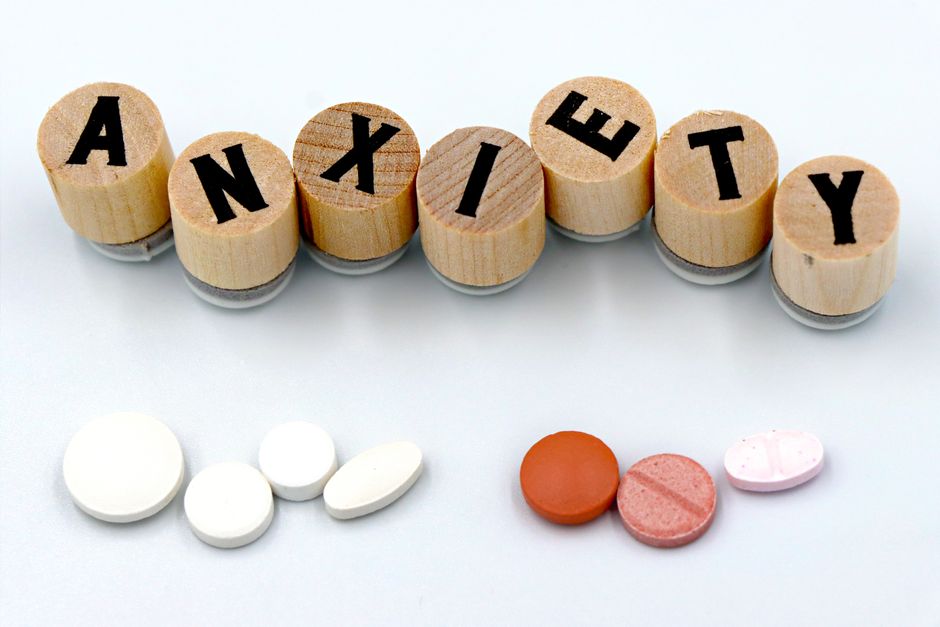
Neurotransmitter disorders are conditions caused by too much or too little of certain brain chemicals called neurotransmitters. Symptoms vary widely depending on which neurotransmitter is affected, ranging from movement problems to mood changes. Treatment aims to restore chemical balance through medications, lifestyle changes, and sometimes specialized therapies.
What Are Neurotransmitter Disorders Symptoms Treatment?
Neurotransmitter disorders involve imbalances in the brain’s chemical messengers. These messengers control movement, mood, thinking, sleep, and many other functions. When levels are too high or too low, or when the receptors do not respond properly, symptoms appear. Treatment depends on which neurotransmitter is out of balance and includes medications that boost or block these chemicals. Some disorders also respond to dietary changes or physical therapy.
What Causes Neurotransmitter Disorders?
Causes vary by disorder. Some are genetic, meaning a person inherits a mutation that affects how neurotransmitters are made, stored, or broken down. For example, a condition called aromatic L-amino acid decarboxylase deficiency prevents the body from making dopamine and serotonin. Other disorders are autoimmune, where the immune system attacks parts of the neurotransmitter system. Myasthenia gravis is one example—antibodies block acetylcholine receptors at the muscle-nerve junction.
Medications and drugs can also cause temporary imbalances. Serotonin syndrome happens when too much serotonin builds up, often from taking multiple antidepressants. Parkinson’s disease, a common neurotransmitter disorder, involves the loss of dopamine-producing cells in a specific brain area. The exact trigger for that cell loss is not fully understood, but age and genetic factors play a role.
What Are the Symptoms of Neurotransmitter Disorders?
Symptoms depend on the specific neurotransmitter and whether the problem is too much or too little. Dopamine disorders like Parkinson’s cause stiff muscles, slow movement, tremors, and balance trouble. Low dopamine can also lead to lack of motivation and trouble concentrating. High dopamine in certain brain areas is linked to hallucinations and delusions in conditions like schizophrenia.
Serotonin imbalances affect mood, appetite, sleep, and digestion. Low serotonin is strongly associated with depression and anxiety. Too much serotonin, as in serotonin syndrome, can cause agitation, fast heart rate, high body temperature, and muscle twitching.
Norepinephrine helps control alertness and blood pressure. Low levels can cause fatigue and low blood pressure, while high levels contribute to anxiety and high blood pressure. GABA is the brain’s main calming chemical. Low GABA activity is linked to anxiety disorders, seizures, and trouble sleeping. Glutamate is the main excitatory chemical; too much can overstimulate brain cells and is thought to play a role in stroke damage and chronic pain.
Acetylcholine is important for muscle movement and memory. Myasthenia gravis causes muscle weakness that worsens with activity. In Alzheimer’s disease, acetylcholine-producing cells are damaged, leading to memory loss.





How Are Neurotransmitter Disorders Diagnosed?
Diagnosis starts with a medical history and physical exam. Doctors look for patterns of symptoms that point to a specific neurotransmitter problem. For example, tremors and rigidity suggest dopamine deficiency. Blood tests can measure neurotransmitter levels outside the brain, but these do not always reflect brain levels. Spinal fluid analysis (lumbar puncture) can provide more direct information about brain chemistry, but it is not done routinely.
Brain imaging like PET or SPECT scans can show dopamine activity in Parkinson’s disease. Genetic testing can identify inherited disorders. For myasthenia gravis, a blood test for acetylcholine receptor antibodies is common. For serotonin syndrome, diagnosis is based on medication history and symptom criteria, with no specific lab test.
What Medications Are Used to Treat Neurotransmitter Disorders?
Treatment is tailored to the specific imbalance. For low dopamine in Parkinson’s, levodopa is the main medication. It converts to dopamine in the brain. For high dopamine in schizophrenia, antipsychotic drugs block dopamine receptors. For low serotonin and norepinephrine in depression, selective serotonin reuptake inhibitors (SSRIs) or serotonin-norepinephrine reuptake inhibitors (SNRIs) are first-line treatments.
For GABA-related anxiety, benzodiazepines boost GABA activity, but they carry risk of dependence. Antidepressants that affect serotonin are also used long-term for anxiety. For myasthenia gravis, medications that increase acetylcholine availability help improve muscle strength. In serotonin syndrome, stopping the offending drugs is the primary treatment, and supportive care may be needed in severe cases.
Can Lifestyle Changes Help Neurotransmitter Disorders?
Lifestyle changes can support treatment but do not replace medication. Regular aerobic exercise increases dopamine and serotonin levels in the brain. Studies suggest exercise helps improve mood in depression and may slow motor decline in Parkinson’s. A diet rich in protein provides amino acids needed for neurotransmitter production. However, for some conditions like Parkinson’s, protein can interfere with levodopa absorption, so timing matters.
Sleep is critical because neurotransmitter systems are restored during rest. Chronic sleep loss can worsen mood disorders and cognitive function. Stress management techniques like meditation can reduce cortisol levels, which in turn may help balance neurotransmitters. These approaches are best used alongside medical treatment, not instead of it.
Frequently Asked Questions
Can neurotransmitter disorders be cured?
Most neurotransmitter disorders cannot be cured, but symptoms can often be managed effectively with medication and lifestyle changes. Some conditions like serotonin syndrome resolve once the cause is removed.
What is the most common neurotransmitter disorder?
Depression is the most common condition involving neurotransmitter imbalance, affecting millions each year. However, the term “neurotransmitter disorder” also includes Parkinson’s disease, which is a classic motor disorder of dopamine deficiency.
Are neurotransmitter disorders genetic?
Some are caused by single gene mutations, but many are not purely genetic. Parkinson’s disease and depression usually involve a mix of genetic risk and environmental triggers.
How do doctors test for neurotransmitter disorders?
Tests often include blood and spinal fluid analysis for neurotransmitter levels, brain imaging for dopamine activity, and genetic tests for inherited forms. Diagnosis also depends heavily on symptom patterns and patient history.
