
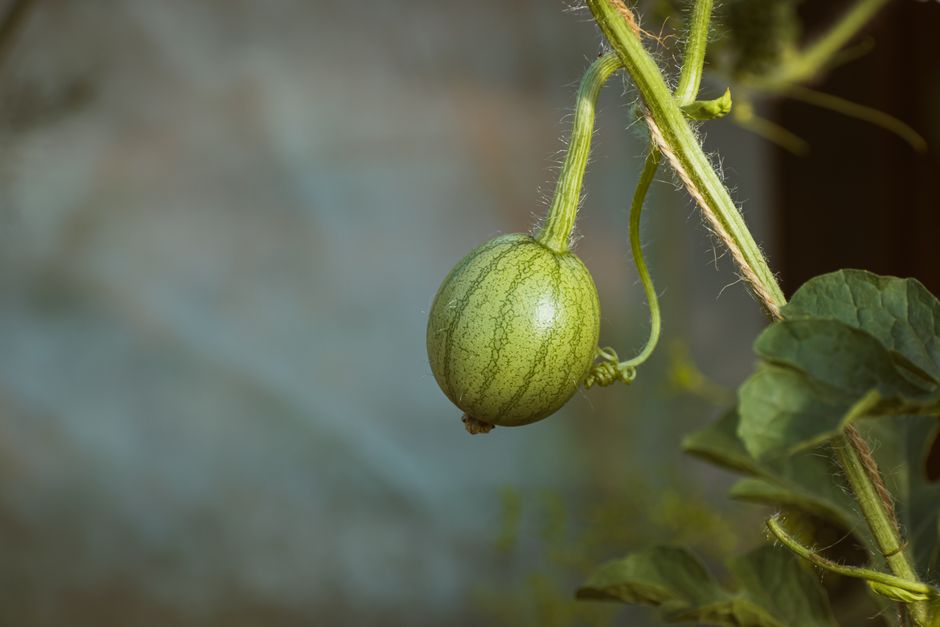
The Emerald Gem melon is a small, heirloom muskmelon known for its pale green flesh and exceptionally sweet, fragrant flavor. It is a variety of Cucumis melo that grows on sprawling vines, requiring warm weather, full sun, and a long growing season to produce fruit. You grow it by planting seeds directly in the garden after the last frost, providing consistent water, and harvesting when the melon slips easily from the vine.
What Does an Emerald Gem Melon Look and Taste Like?
The Emerald Gem is a round to slightly oval melon that typically weighs between two and four pounds. Its rind is smooth and pale green, often with faint sutures or lines running from stem to blossom end. The interior flesh is a distinctive light green or pale jade color, which is where the name comes from.
The flavor is the main reason gardeners seek this variety out. It is intensely sweet with a strong, aromatic musky scent that fills the room when you cut one open. The flesh is soft, juicy, and tender, melting in the mouth. Many describe it as tasting like a classic cantaloupe but with a more concentrated, honeyed sweetness.
Is the Emerald Gem Melon a Cantaloupe?
Technically, no. In the United States, the word “cantaloupe” usually refers to the common netted melon with orange flesh. The Emerald Gem is a different type of muskmelon. It belongs to a group often called “summer muskmelons” or “green-fleshed melons.”
All cantaloupes are muskmelons, but not all muskmelons are cantaloupes. The Emerald Gem has a smooth rind rather than a rough, netted skin. It is more closely related to other heirloom green-fleshed melons like the Honeydew, though its flavor is far more aromatic and intense than a standard honeydew.
How to Plant Emerald Gem Melon Seeds
Emerald Gem melons need warmth. The soil temperature must be at least 70°F before you plant seeds outdoors. Planting too early in cold, wet soil causes the seeds to rot before they sprout.
You have two options for planting. The first is direct sowing. Wait until two weeks after the last expected frost date. Plant three to four seeds in a hill, spacing the hills about four to six feet apart. Once the seedlings have two sets of true leaves, thin them to the two strongest plants per hill.
The second option is starting seeds indoors. This works well in short-season climates. Start seeds in biodegradable pots about three to four weeks before your last frost date. Use a high-quality seed starting mix. Melons do not like their roots disturbed, so biodegradable pots that you plant directly into the ground are the best choice.
If you start indoors, harden off the seedlings for about a week before transplanting. This means gradually exposing them to outdoor sun, wind, and temperature swings. Transplant them outdoors only after all danger of frost has passed and the soil has warmed.





What Are the Ideal Growing Conditions?
Emerald Gem melons require full sun. They need at least six to eight hours of direct sunlight daily. More sun produces sweeter fruit.
The soil should be rich, well-draining, and slightly acidic to neutral. A pH between 6.0 and 6.8 is ideal. Before planting, work several inches of compost or well-rotted manure into the soil. This provides the nutrients the vines need for vigorous growth.
These melons are heavy feeders. They benefit from a balanced fertilizer applied at planting time. Once the vines begin to flower and set fruit, a fertilizer higher in potassium can help improve fruit quality and sweetness. Avoid high-nitrogen fertilizers late in the season, as this encourages leaf growth at the expense of fruit.
Space is critical. Each vine can spread six feet or more. If you are short on space, you can train the vines up a sturdy trellis. If you do this, you must support the developing melons with a sling made of old fabric or netting, or the weight of the fruit will pull the vine down.
How Much Water Do Emerald Gem Melons Need?
Consistent moisture is essential, especially during flowering and fruit development. The plants need about one to two inches of water per week. Water deeply and less frequently to encourage deep root growth.
The most important watering rule is to keep the leaves dry. Wet foliage promotes fungal diseases like powdery mildew. Use a soaker hose or drip irrigation to deliver water directly to the soil at the base of the plant.
Reduce watering significantly once the fruit is nearly mature. This concentrates the sugars in the melon and improves the flavor. Too much water at the end of the season produces bland, watery fruit.
How Long Does It Take to Grow an Emerald Gem Melon?
Emerald Gem melons have a relatively long growing season. From planting seed to harvest, you should expect about 75 to 85 days. This is slightly shorter than many other heirloom melon varieties, which is one reason it remains popular.
If you start seeds indoors, you can subtract about three to four weeks from the outdoor growing time, but the total time from seed to harvest remains roughly the same. The vines will flower about six to eight weeks after germination, and the fruit will mature about four to five weeks after pollination.
This timeline makes Emerald Gem a viable option for gardeners in USDA hardiness zones 4 through 9, provided the summer is warm enough. Gardeners in cooler northern climates should use black plastic mulch to warm the soil and start seeds indoors to ensure the fruit has enough time to ripen.
How Do You Know When an Emerald Gem Melon Is Ripe?
Knowing when to harvest is the most important skill for growing this melon. An underripe Emerald Gem will be starchy and flavorless. An overripe one will be mushy and may ferment.
The most reliable sign of ripeness is the “slip.” When the melon is fully ripe, it will detach cleanly from the vine with a gentle tug. This is called “slipping.” If you have to pull hard or cut the stem, the melon is not ready.
There are other signs to watch for. The rind color will change from a bright green to a slightly paler, creamier green. The blossom end (opposite the stem) will give slightly when pressed gently. The melon will also emit a strong, sweet, musky aroma. A ripe melon smells distinctly fragrant; an unripe one has almost no smell.
Check your melons daily once they approach the expected harvest date. They can go from ripe to overripe quickly, especially in hot weather.
Common Pests and Diseases
Emerald Gem melons face the same pests and diseases as other cucurbits. Cucumber beetles are a primary concern. They feed on the leaves and can spread bacterial wilt, which is fatal to the vine. Row covers placed over young plants can exclude these beetles. Remove the covers when the plants begin flowering so bees can pollinate the flowers.
Powdery mildew is the most common fungal disease. It appears as a white, powdery coating on the leaves. It rarely kills the plant but can reduce yields and sweetness. Good air circulation, proper spacing, and watering at the soil level help prevent it.
Squash bugs and vine borers can also attack the vines. Inspect the undersides of leaves regularly for eggs and remove them by hand. Crop rotation is essential. Do not plant melons in the same spot where other squash, cucumbers, or melons grew the previous year.
Frequently Asked Questions
Can you eat the rind of an Emerald Gem melon?
The rind is technically edible but is tough and not pleasant to eat. It is best to peel the melon and eat only the flesh.
How many melons does one Emerald Gem plant produce?
A single healthy vine typically produces two to four melons per season. Some vigorous plants may produce more in ideal conditions.
Can Emerald Gem melons grow in containers?
Yes, but they need a large container of at least five gallons with a trellis for support. Container-grown melons require more frequent watering than those grown in the ground.
Why is my Emerald Gem melon not sweet?
Lack of sweetness is usually caused by harvesting too early, insufficient sunlight, or too much water during the final ripening stage. Reduce watering as the fruit matures and always wait for the melon to slip from the vine.
