
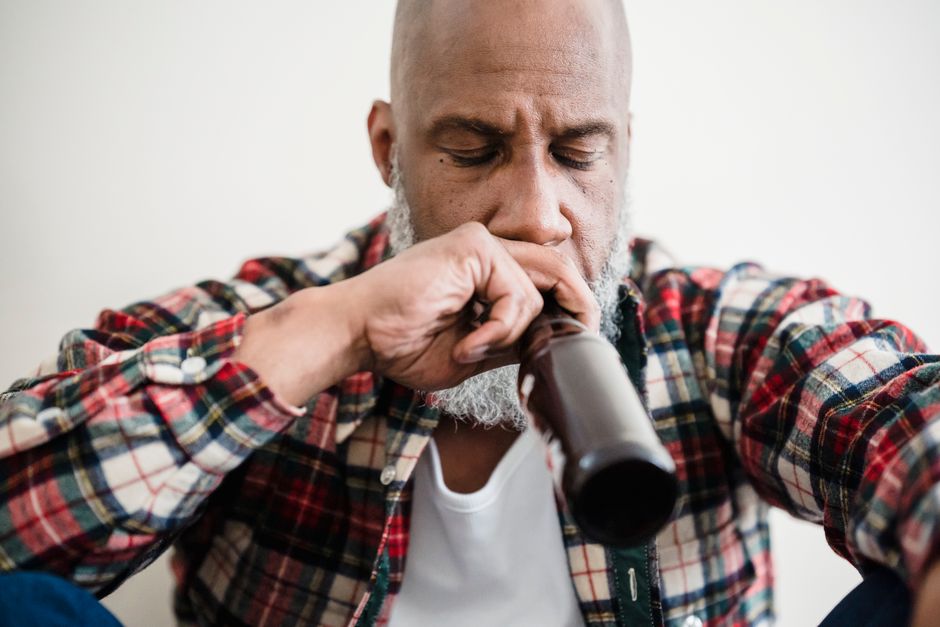
Alcohol is classified as a central nervous system depressant. This is the formal pharmacological classification, and it applies to ethanol, the type of alcohol found in beer, wine, and spirits. Despite the temporary feeling of stimulation or euphoria it can cause, alcohol slows down brain activity. It affects the way nerve cells communicate, which changes mood, coordination, and judgment.
What Does Depressant Mean for Your Body?
A depressant slows down the function of the central nervous system. Your brain and spinal cord process information more slowly when alcohol is present. This is why reaction times get slower and speech can become slurred.
The feeling of energy or confidence some people get early on is misleading. Alcohol first suppresses the parts of the brain that control inhibition and impulse. The result can look like stimulation, but the underlying effect is still sedation. As blood alcohol concentration rises, the depressive effects become more obvious. Coordination drops, memory formation is disrupted, and judgment worsens.
At very high levels, alcohol depresses the brainstem areas that control breathing and heart rate. This is how alcohol poisoning becomes life-threatening. The body’s automatic functions simply slow down to the point of failure.
How Is Alcohol Classified by Law and Chemistry?
Chemically, alcohol is an organic compound with a hydroxyl group. The type humans drink is ethanol, also called ethyl alcohol. Other forms like methanol and isopropanol are toxic and not safe for consumption.
Legally, alcohol is regulated as a controlled substance in most countries. In the United States, the Alcohol and Tobacco Tax and Trade Bureau oversees production and labeling. Each state manages its own sales and distribution laws. The legal drinking age of 21 is set by federal law, but states control where and when alcohol can be sold.
This legal classification matters for public health. It allows governments to set labeling requirements, enforce age limits, and tax the product. It also creates a framework for drunk driving laws, which are based on blood alcohol concentration limits.
What Is Alcohol Classified As in Medicine?
In medical terms, alcohol is classified as a psychoactive drug. It changes brain function and alters perception, mood, consciousness, and behavior. The World Health Organization groups it with other psychoactive substances that can lead to dependence.
Alcohol is also classified as a carcinogen. The International Agency for Research on Cancer places it in Group 1, the highest risk category. This does not mean everyone who drinks gets cancer. It means there is strong evidence that alcohol causes cancer in humans. The risk applies to several cancer types, including breast, liver, colon, and mouth cancers.
This is a point many people miss. Alcohol is often treated differently from other drugs in social settings, but medically it carries serious risks. The classification as a carcinogen is based on decades of research, not on speculation.



How Does Alcohol Compare to Other Substances?
Alcohol is often placed in a category with sedatives like benzodiazepines and barbiturates. All of these substances enhance the effect of GABA, the brain’s main inhibitory neurotransmitter. This shared mechanism is why mixing alcohol with sedatives is so dangerous. The combined effect on the central nervous system can stop breathing.
Stimulants like caffeine or amphetamines work in the opposite direction. They increase activity in the central nervous system. Using a stimulant while drinking can mask the sedative effects of alcohol. This makes a person feel more alert than they actually are, which can lead to drinking far more than intended.
The table below shows how alcohol compares to other common psychoactive substances.
| Substance | Primary Classification | Main Effect on CNS |
|---|---|---|
| Alcohol (ethanol) | Depressant | Slows brain activity |
| Caffeine | Stimulant | Increases brain activity |
| Benzodiazepines | Depressant | Slows brain activity |
| Opioids | Depressant | Slows brain activity and pain response |
| Nicotine | Stimulant | Increases brain activity |
This classification system matters for treatment and safety. Knowing that alcohol is a depressant explains why it interacts dangerously with other depressants. It also explains why the withdrawal process can be dangerous for heavy drinkers. When the brain is used to being suppressed, stopping suddenly can cause rebound overactivity. This is why severe alcohol withdrawal can involve seizures and requires medical supervision.
Why Does the Classification of Alcohol Matter?
The classification of alcohol shapes how doctors approach it. It is treated as a drug with predictable effects and measurable risks. Blood alcohol concentration can be measured precisely. The effects on motor skills and cognition follow a consistent pattern as levels rise.
This classification also shapes treatment approaches. Alcohol use disorder is recognized as a medical condition, not a moral failing. Treatment options include behavioral therapy, support groups, and medications like naltrexone or acamprosate. These medications work on the same brain systems that alcohol affects.
Understanding alcohol as a depressant changes how you think about drinking. The warm, relaxed feeling is the drug working. The loss of coordination and poor decisions are also the drug working. There is no version of alcohol that only gives the pleasant effects without the depressive ones.
Is Alcohol a Stimulant or a Depressant?
Alcohol is a depressant. The stimulant-like effects some people experience early on are not true stimulation. They come from the suppression of inhibitory control in the brain. When the brakes are released, the car rolls forward, but no one is pressing the gas pedal.
This distinction matters for practical reasons. People who feel energized after a drink may believe they are less impaired than they actually are. Reaction time and judgment are already slowing down before the sedative effects become obvious. This is why drunk driving is dangerous even at low blood alcohol levels.
Research consistently supports the depressant classification. Studies measuring brain activity show reduced neural firing after alcohol consumption. Functional imaging studies show decreased activity in the prefrontal cortex, the area responsible for decision-making and impulse control.
How Is Alcohol Classified in Different Contexts?
Alcohol is classified differently depending on the context. Pharmacologically it is a depressant. Legally it is a regulated recreational substance. Medically it is a psychoactive drug and a carcinogen. Nutritionally it provides calories but no essential nutrients.
These classifications are not contradictory. They describe different aspects of the same substance. A glass of wine is simultaneously a beverage, a drug, a source of calories, and a cancer risk factor. All of these descriptions are accurate.
In the United States, the Dietary Guidelines for Americans define moderate drinking as up to one drink per day for women and up to two for men. This is not a recommendation to drink. It is a limit for people who choose to drink. The guidelines are clear that drinking less is better for health than drinking more.
What Are the Risks of Misunderstanding Alcohol’s Classification?
Misunderstanding alcohol’s classification leads to dangerous behavior. People who view alcohol as a stimulant may drive after drinking because they feel alert. People who view it as harmless because it is legal may ignore the cancer risk or the risk of dependence.
The depressant classification explains the most dangerous alcohol-related risks. Mixing alcohol with other depressants like sleep medications or anti-anxiety drugs can be fatal. The combined suppression of breathing is a leading cause of accidental overdose deaths involving alcohol.
Alcohol withdrawal is another area where the classification matters. Because alcohol is a depressant, the brain adapts by increasing its own activity to compensate. When drinking stops suddenly, this overactivity is unopposed. Symptoms can range from anxiety and tremors to seizures and delirium tremens. Medical supervision is recommended for people with severe alcohol dependence who want to stop drinking.
Frequently Asked Questions
Is alcohol a drug?
Yes, alcohol is a psychoactive drug that changes brain function. It is legally regulated and medically recognized as a substance with significant health effects.
Why does alcohol make me feel energetic if it is a depressant?
Alcohol suppresses the brain areas that control inhibition, which can create a temporary feeling of energy or confidence. The underlying effect is still sedation, and impairment begins before you feel sleepy.
Is alcohol more dangerous than other drugs?
Alcohol carries unique risks because it is legal, widely available, and socially accepted. It is a carcinogen, a depressant, and a substance that can cause dependence, and it contributes to a large number of deaths worldwide.
Can alcohol be classified as a poison?
In large quantities, alcohol is toxic to the body and can cause alcohol poisoning. This occurs when blood alcohol concentration reaches levels that suppress breathing and heart rate to dangerous points.
