

Digestion is how your body breaks down food into smaller pieces. Absorption is the next step. It is how those small pieces actually get from your digestive tract into your bloodstream so your cells can use them. Without absorption, even the healthiest meal would pass through your body without doing you any good. The process is precise, efficient, and happens mostly in your small intestine.
What is Absorption in Digestion?
Absorption in digestion is the movement of digested nutrients from the inside of your gut into your blood or lymph system. This is where your body finally gets the fuel it needs. Carbohydrates become simple sugars. Proteins become amino acids. Fats become fatty acids. These small molecules cross the intestinal wall and enter circulation.
Your small intestine is the main site for this work. It is roughly 20 feet long and lined with millions of tiny finger-like projections called villi. Each villus is covered in even smaller projections called microvilli. This structure creates a massive surface area. If laid flat, your small intestine would cover about the size of a tennis court. That surface area is what makes efficient absorption possible.
The large intestine also absorbs, but not nutrients. It mainly takes back water and electrolytes from the leftover material. This is why severe diarrhea can be dangerous. It prevents the colon from doing its job of reclaiming water, which can lead to dehydration.
Where Does Absorption Actually Happen?
Absorption starts in the stomach, but only for a few specific substances. Water, alcohol, and some medications like aspirin can cross the stomach lining directly. This is why you can feel the effects of alcohol relatively quickly. But the stomach is not designed for nutrient absorption. Its main job is mixing food with acid and enzymes.
The small intestine is where almost all nutrient absorption occurs. It has three sections: the duodenum, the jejunum, and the ileum. Each section has a specialty.
- Duodenum: This is the first section. Iron, calcium, and folate are absorbed here.
- Jejunum: The middle section. Most sugars, amino acids, and fatty acids are absorbed here.
- Ileum: The final section. Vitamin B12 and bile salts are absorbed here. Bile salts are recycled back to the liver.
This organization matters clinically. If someone has a disease that damages the ileum, like Crohn’s disease, they can develop a vitamin B12 deficiency even if they eat plenty of it. The food is there, but the specific absorption site is damaged.
How Do Nutrients Cross the Intestinal Wall?
Nutrients do not just fall through the intestinal lining. They cross it through specific mechanisms. Understanding these helps explain why some people absorb nutrients poorly even with a good diet.
Passive diffusion is the simplest method. The nutrient moves from an area of high concentration to low concentration. No energy is needed. Water, some minerals, and certain fat-soluble substances use this route.
Facilitated diffusion uses a carrier protein. The protein helps the nutrient cross the membrane, but still no energy is used. Fructose, the sugar found in fruit, enters this way.
Active transport requires energy. The cell pumps the nutrient against its concentration gradient. This means it can pull nutrients in even when levels inside the cell are already high. Glucose and amino acids are absorbed this way. This is a critical point. Your body actively works to pull in these nutrients, and it costs energy to do so.
Endocytosis is used for very large molecules. The cell membrane wraps around the molecule and pulls it inside. This is how the gut absorbs certain immune factors and large proteins in early life.
Fats are the exception to the rule. Short and medium-chain fatty acids can go directly into the bloodstream. Longer fatty acids and cholesterol are packaged into structures called chylomicrons. These enter the lymphatic system first, not the blood directly. The lymph eventually drains into your bloodstream near your collarbone. This is why fat absorption is slower and can leave you feeling full longer.




What Can Go Wrong with Absorption?
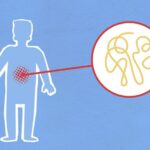
Malabsorption is the medical term for when your gut cannot absorb nutrients properly. It is not a single disease. It is a symptom of many possible underlying problems.
Some causes are structural. Celiac disease damages the villi, flattening them and reducing surface area. This is an autoimmune reaction to gluten. When the villi are damaged, absorption drops sharply. Symptoms include diarrhea, weight loss, and fatigue. The treatment is a strict gluten-free diet, which allows the villi to heal over time.
Other causes are related to the digestive process itself. If your pancreas does not release enough enzymes, fats and proteins cannot be broken down into absorbable pieces. This happens in conditions like chronic pancreatitis or cystic fibrosis. The food is eaten, but it is not digested enough to be absorbed.
Surgical removal of parts of the intestine also causes malabsorption. This is called short bowel syndrome. The less intestine you have, the less surface area for absorption. People with this condition often need specialized diets or intravenous nutrition.
Some medications interfere with absorption. Proton pump inhibitors, used for acid reflux, reduce stomach acid. This can affect the absorption of calcium, magnesium, and vitamin B12 over long-term use. This does not mean these drugs are bad. It means the risk is real and should be monitored by a doctor.
How Age Affects Nutrient Absorption
Your gut changes as you age. Some of these changes are normal. Others are not.
Stomach acid production often decreases in older adults. This is called hypochlorhydria. Lower acid levels reduce the absorption of vitamin B12, calcium, iron, and folic acid. Food-bound vitamin B12 is especially affected because acid is needed to release it from the protein in meat and fish.
Lactase, the enzyme that digests lactose in milk, often decreases with age. Many adults develop lactose intolerance without realizing it. Symptoms include bloating, gas, and diarrhea after dairy. The undigested lactose sits in the colon and ferments. This is a common cause of digestive complaints in adults over 40.
Constipation becomes more common with age. Slower transit time in the colon does not necessarily affect nutrient absorption, since the colon handles mostly water. But it can affect quality of life and the absorption of some medications.
Importantly, aging does not automatically mean you will be malnourished. The gut has significant reserve capacity. Most healthy older adults absorb nutrients adequately. Problems arise when age-related changes combine with disease, medication use, or poor diet.
How to Support Healthy Absorption
You cannot directly control how your intestinal cells work. But you can support conditions that allow absorption to happen normally.
Chewing thoroughly is the first step. Digestion begins in your mouth. Saliva contains amylase, which starts breaking down carbohydrates. Smaller food particles have more surface area for enzymes to work on. Rushing through meals reduces this initial breakdown.
Gut health matters, but not in the way social media often claims. A diverse diet supports a diverse microbiome. Fiber feeds beneficial bacteria in the colon. These bacteria produce short-chain fatty acids like butyrate, which nourish the cells lining your colon. This is established science. The microbiome is not a mystery force. It is a colony of organisms that interact with your digestive system in measurable ways.
Fat is necessary for absorbing fat-soluble vitamins. Vitamins A, D, E, and K require dietary fat to be absorbed properly. Eating a fat-free salad with spinach will not deliver much vitamin A or K. A small amount of healthy fat, like olive oil or avocado, improves absorption of these nutrients.
Cooking some foods improves nutrient availability. Lycopene in tomatoes is better absorbed from cooked tomatoes than raw ones. Carrots release more beta-carotene when cooked. This is not about raw foods being bad. It is about understanding that preparation affects bioavailability.
If you suspect you have a malabsorption problem, see a doctor. Self-diagnosing and self-treating with supplements can mask the underlying issue. Blood tests, stool tests, and breath tests can identify specific problems. A doctor can determine whether you have a condition like celiac disease, lactose intolerance, or pancreatic insufficiency.
Supplements and Absorption: What to Know
The supplement industry makes many claims about absorption. Some are accurate. Many are marketing.
Certain forms of nutrients are absorbed better than others. For example, heme iron from animal sources is absorbed better than non-heme iron from plants. Vitamin C enhances non-heme iron absorption when taken together. Calcium carbonate and calcium citrate are absorbed differently depending on stomach acid levels. Calcium citrate is better absorbed on an empty stomach or by people with low stomach acid.
Magnesium oxide is a common and cheap form of magnesium, but it is not absorbed well. Magnesium citrate and magnesium glycinate have better absorption rates. This is a real difference, but it does not mean magnesium oxide is useless. It means you may need a higher dose of the oxide form to get the same effect, and it is more likely to cause loose stools.
Be skeptical of any supplement claiming “100% absorption.” No supplement is fully absorbed. The body regulates how much it takes in based on need and other factors. A claim of perfect absorption is a red flag.
No supplement can fix a damaged gut. If you have untreated celiac disease, no amount of enhanced vitamin formulation will help until you remove gluten from your diet. Treat the cause first. Supplements are a support, not a cure.
Frequently Asked Questions
What is the difference between digestion and absorption?
Digestion breaks food down into smaller molecules. Absorption moves those molecules from the gut into the bloodstream.
Which organ is responsible for most nutrient absorption?
The small intestine absorbs most nutrients. Its large surface area, created by villi and microvilli, allows efficient uptake of sugars, amino acids, and fats.
How long after eating does absorption begin?
Absorption of simple sugars can begin within minutes. Complete absorption of a mixed meal usually takes several hours as food moves through the small intestine.
Can you improve your nutrient absorption?
Chewing food thoroughly, eating fat with fat-soluble vitamins, and treating underlying gut conditions are proven ways to support absorption. No supplement can reverse damage from untreated disease.
