
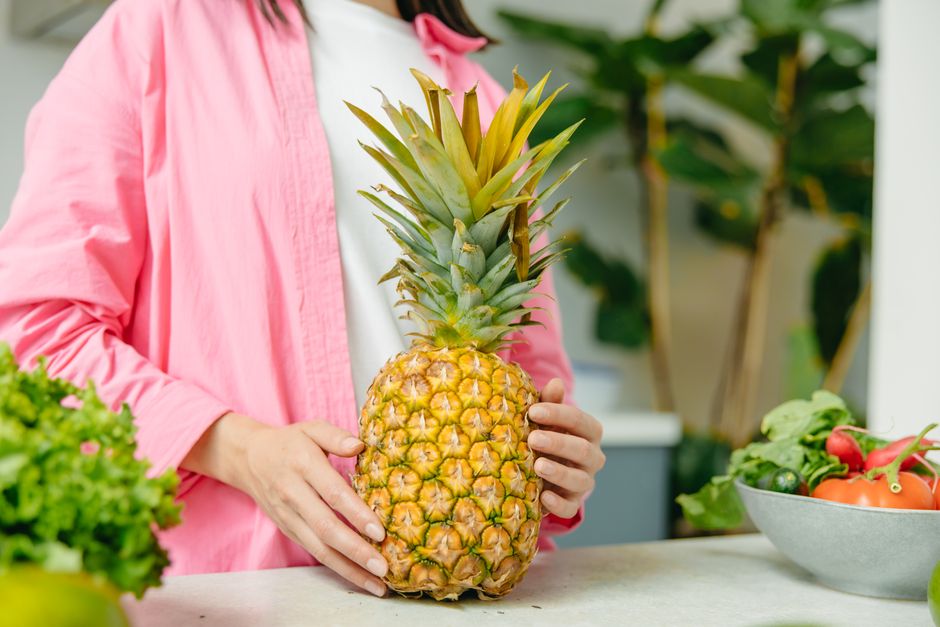
Pineapple is often praised as a digestion-friendly fruit, and the reputation is not entirely undeserved. The fruit contains bromelain, a group of enzymes that can break down protein, which is why pineapple is sometimes used as a meat tenderizer. However, the effect of eating fresh pineapple on human digestion is more modest than many online claims suggest. The evidence shows that bromelain has real biological activity, but eating pineapple is not a cure for digestive disorders, and it does not replace the body’s own digestive processes.
What Is Bromelain and How Does It Work?
Bromelain is a mixture of enzymes found in the stem and fruit of the pineapple plant. These enzymes are proteases, meaning they break proteins into smaller pieces called peptides and amino acids. This is a well-established biochemical fact. The same enzyme activity is why fresh pineapple can make gelatin-based desserts fail to set — the enzymes digest the gelatin protein.
Your stomach already produces powerful protein-digesting enzymes, mainly pepsin, along with strong hydrochloric acid. The stomach environment is highly acidic, with a pH around 1.5 to 3.5. Bromelain works best in a less acidic environment, closer to a neutral pH. Some research suggests bromelain may remain active in the digestive tract, but the stomach’s acid can reduce its activity. The evidence on exactly how much bromelain survives stomach acid and remains active in the intestines is limited and mixed.
Does Eating Fresh Pineapple Improve Digestion?
Eating fresh pineapple can contribute to the overall digestion of protein in a meal, but the amount is small relative to what your stomach does on its own. The concentration of bromelain in the fruit is lower than in concentrated supplements. You would need to eat a large amount of fresh pineapple to get a dose comparable to what is studied in supplement research.
That said, pineapple is a good source of dietary fiber. A cup of fresh pineapple chunks provides about 2.3 grams of fiber. Fiber adds bulk to stool and helps prevent constipation. The fiber in pineapple, mostly insoluble, supports regular bowel movements. This is a separate mechanism from bromelain, but it is a legitimate reason pineapple can support digestive health.
Pineapple also contains a high percentage of water, about 86 percent. Proper hydration is essential for normal digestion and stool formation. The combination of water and fiber makes pineapple a reasonable choice for supporting regularity, though many fruits offer similar benefits.
Can Bromelain Help with Bloating or Gas?
Some people report that eating pineapple after a heavy meal reduces bloating. The evidence for this specific effect is not strong. No large human trials have confirmed that pineapple or bromelain reliably reduces bloating or gas in the general population.
Bloating often comes from gas produced when bacteria in the colon ferment undigested carbohydrates. Bromelain does not break down carbohydrates. It targets protein. So the biological reasoning that bromelain would reduce gas from carbohydrate fermentation does not hold up. If pineapple helps you feel less bloated, it may be because you ate it instead of a heavier, fattier food, not because of a direct enzyme effect.
Some research on bromelain supplements has looked at digestive comfort, but the studies are small and results vary. The honest position is that the evidence is limited. Eating pineapple is not harmful for most people, but it should not be marketed as a reliable remedy for bloating.





What About Bromelain Supplements for Digestion?
Bromelain supplements are widely sold for digestive support. Some clinicians recommend them, particularly for people with pancreatic insufficiency, a condition where the pancreas does not produce enough digestive enzymes. In that context, enzyme replacement therapy is standard medical care, and bromelain is sometimes included in multi-enzyme products.
For people with normal digestion, the benefit of bromelain supplements is less clear. The supplements are not regulated by the FDA in the same way prescription drugs are. The amount of active enzyme can vary between brands and batches. Some research suggests that taking bromelain with food may help it survive stomach acid better, but this is not firmly established.
If you are considering a bromelain supplement, talk to your doctor first. Bromelain can interact with blood thinners and some antibiotics. It may increase bleeding risk, especially if you take aspirin or warfarin. People with pineapple allergy should avoid bromelain entirely.
Does Canned Pineapple Work the Same Way?
No. Canned pineapple is usually heated during processing, and heat destroys bromelain enzymes. The canning process also often involves adding sugar or syrup, which adds calories without adding digestive benefit. If you are eating pineapple specifically for bromelain, you need fresh pineapple.
Frozen pineapple may retain some enzyme activity, depending on how it was processed. Freezing alone does not destroy enzymes the way heat does. However, if the pineapple was blanched before freezing, the enzymes are already inactive. The label usually does not tell you this, so the enzyme content of frozen pineapple is uncertain.
Dried pineapple is typically treated with sulfur dioxide and sugar, and the drying process involves heat. Dried pineapple has little to no active bromelain. It also has a much higher sugar concentration per weight than fresh fruit.
Who Should Be Careful with Pineapple?
Most people can eat fresh pineapple without problems. But there are important exceptions. People with a pineapple allergy should avoid it completely. Symptoms can range from mild mouth itching to severe anaphylaxis, a life-threatening reaction that requires emergency care.
Eating very large amounts of fresh pineapple can irritate the mouth, lips, and tongue. This is caused by bromelain breaking down the proteins in the lining of your mouth. The effect is temporary and not dangerous for most people. It is more noticeable in people who eat a lot of pineapple at once.
People with gastroesophageal reflux disease, or GERD, may find that pineapple triggers heartburn. Pineapple is acidic, with a pH around 3.2 to 4.1. Acidic foods can relax the lower esophageal sphincter, the muscle that keeps stomach contents from flowing back up. If you have GERD and notice pineapple worsens your symptoms, it may be best to limit or avoid it.
What Does the Research Actually Say?
Research on bromelain has mostly focused on inflammation, pain, and wound healing, not digestion. Some studies suggest bromelain has anti-inflammatory properties, but the quality of this research is variable. Many studies are small, use different doses, and measure different outcomes. The evidence for bromelain as a digestive aid in healthy people is even thinner.
One area where the evidence is more supportive is the use of enzyme supplements, including bromelain, for people with exocrine pancreatic insufficiency. This is a medical condition, not a general digestive complaint. In this context, enzyme replacement therapy is standard care. But the dose and formulation matter, and this is managed by a doctor, not by eating more pineapple.
No clinical evidence currently confirms that eating pineapple treats irritable bowel syndrome, Crohn’s disease, ulcerative colitis, or any other diagnosed digestive disorder. If you have a diagnosed digestive condition, talk to your gastroenterologist before adding pineapple or bromelain to your routine.
How to Eat Pineapple for the Most Benefit
If you want the fiber and water benefits, fresh pineapple is the best choice. Eat it as a snack, add it to a fruit salad, or pair it with yogurt. The fiber content is modest, so pineapple should be part of a diet that includes a variety of fruits and vegetables, not the sole source of fiber.
If you want the enzyme activity, fresh pineapple is again the answer. The enzyme is most active when the fruit is ripe. The core of the pineapple contains more bromelain than the flesh, but the core is tough and fibrous. Chewing the core is not necessary; the flesh provides enough enzyme for any realistic dietary effect.
Do not rely on pineapple to compensate for a diet high in processed foods or low in fiber. No single fruit fixes poor digestion. A consistent pattern of eating whole foods, drinking enough water, and being physically active has far more impact on digestion than any single food.
Frequently Asked Questions
Does pineapple help with digestion after a heavy meal?
Fresh pineapple contains bromelain, an enzyme that breaks down protein, and it provides water and fiber. The effect is modest, and no strong evidence shows it prevents bloating or speeds up digestion of a heavy meal.
Is fresh pineapple better than canned for digestion?
Yes, fresh pineapple is better because heat from canning destroys the bromelain enzymes. Canned pineapple often contains added sugar and has no active enzyme benefit.
Can eating too much pineapple hurt your stomach?
Eating large amounts can irritate the mouth and tongue due to bromelain activity, and the fruit’s acidity may trigger heartburn in people with GERD. For most people, moderate amounts are safe.
Are bromelain supplements safe for everyone?
No, bromelain supplements can interact with blood thinners and some antibiotics, and they may increase bleeding risk. People with pineapple allergy should avoid them, and anyone considering them should consult a doctor first.
