
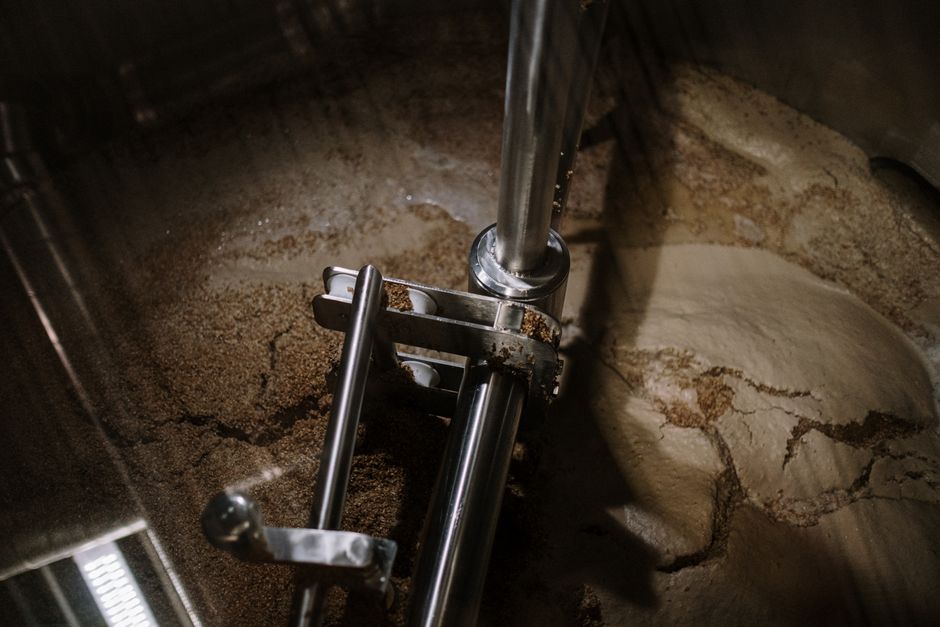
In brewing, wort is the sweet liquid extracted from malted grains before fermentation. It is the essential sugar-rich solution that yeast later ferments into beer. In botany, the word “wort” has an entirely different meaning: it is an Old English term for “plant” or “root,” used in the common names of many medicinal and culinary herbs. These two very different definitions share a common linguistic root in Old English, where “wyrt” simply meant plant or herb.
What Is A Wort Brewing Term And Botanical Meaning?
The brewing definition of wort is specific and technical. Wort is the liquid produced during the mashing process, when crushed malted grains are soaked in hot water. This process activates enzymes that convert starches in the grain into fermentable sugars. The resulting sweet liquid is wort. It is the foundation of beer — before yeast is added, the liquid is not beer yet, just wort.
In botany, the term “wort” appears in plant names such as St. John’s Wort, liverwort, and lungwort. These names date back centuries. Herbalists named plants after the conditions they were believed to treat or the body part they resembled. The botanical meaning is purely descriptive and historical, with no connection to brewing beyond the shared word origin.
How Is Wort Made In The Brewing Process?
Wort production follows a step-by-step brewing process. The brewer starts with malted grain — usually barley that has been allowed to germinate and then dried. The grain is crushed to expose the starches inside.
Next comes mashing. The crushed grain is mixed with hot water, typically around 148–156°F (64–69°C). This temperature range activates enzymes in the malt that break down starches into simpler sugars. The mash rests for about an hour, allowing the enzymes to do their work. The result is a sugary liquid mixed with spent grain husks.
The brewer then separates the liquid from the solid grain in a process called lautering. The clear liquid that drains off is the wort. The brewer boils the wort, usually for 60 to 90 minutes. Hops are added during the boil to provide bitterness, flavor, and aroma. The boiling also sterilizes the wort and drives off unwanted volatile compounds.
After boiling, the wort must be cooled quickly to a temperature suitable for yeast — usually below 75°F (24°C). Once cooled, the wort is transferred to a fermentation vessel, and yeast is added. The yeast consumes the sugars in the wort and produces alcohol and carbon dioxide. At this point, the liquid becomes beer.
What Does Wort Contain?
Wort’s composition determines the character of the finished beer. The primary components are water and sugars. The sugars come from the malted grain and include maltose, glucose, and other fermentable carbohydrates. These sugars are what yeast converts into alcohol.
Wort also contains proteins, amino acids, minerals, and vitamins that yeast needs for healthy fermentation. The protein content affects the beer’s mouthfeel and head retention. Wort also contains unfermentable dextrins — complex sugars that yeast cannot consume. These remain in the finished beer and contribute body and sweetness.
The specific gravity of wort measures its sugar concentration. A higher gravity means more sugar, which typically leads to a stronger beer. Brewers measure gravity with a hydrometer before and after fermentation to calculate the alcohol content.





What Does Wort Mean In Botanical Plant Names?
The botanical “wort” comes from the Old English word “wyrt,” meaning plant, root, or herb. It was a general term for any herbaceous plant. Over time, it became attached to specific plants, often reflecting their traditional medicinal uses.
St. John’s Wort is the most well-known example. Its scientific name is Hypericum perforatum. The plant has been used for centuries in traditional medicine, and modern research has examined its potential role in treating mild depression. The name “St. John’s” likely refers to St. John the Baptist, as the plant typically flowers around his feast day in late June.
Other examples include:
- Liverwort — a small non-vascular plant named because its lobed shape was thought to resemble a liver.
- Lungwort — a flowering plant whose spotted leaves were believed to resemble diseased lungs.
- Soapwort — a plant whose roots contain saponins, which produce a lather when agitated in water.
- Buglewort — another name for the plant Ajuga, used historically as a wound herb.
The naming pattern followed the “doctrine of signatures,” an old belief that plants resembled the body parts they could heal. This theory has no scientific basis, but it explains many historical plant names.
Why Do Brewing And Botany Share The Same Word?
Both meanings trace back to the same Old English root. The word “wyrt” originally meant any plant or root. When English-speaking brewers needed a word for the sweet liquid extracted from grain, they used a related term. The brewing term likely evolved from the idea that wort is the “plant essence” or the valuable substance extracted from the grain.
The two meanings developed independently from the same source. One went into brewing terminology and became a precise technical term. The other remained in botanical naming and became a historical suffix attached to traditional herb names. Today, the two meanings are entirely separate. A brewer speaking of wort and a botanist speaking of a wort plant are discussing completely different subjects.
This linguistic overlap occasionally causes confusion. Someone reading about “wort” in a beer recipe and “wort” in a herbal medicine book might assume a connection. There is none beyond the shared etymology.
Is Wort The Same As Beer?
No. Wort is not beer. Wort is the sweet, unfermented liquid that becomes beer only after yeast is added and fermentation occurs. The distinction matters in both homebrewing and commercial brewing.
Before fermentation, wort tastes sweet and malty with no alcohol. It resembles sugary tea more than beer. After fermentation, the sugars have been converted to alcohol, and the character changes completely. The finished beer contains carbonation, alcohol, and fermentation byproducts that give it complexity.
Wort is also not the same as mash. Mash is the mixture of crushed grain and water during the mashing process. Wort is the liquid separated from the grain. The spent grain left behind is called brewers grain and is often used as animal feed.
Can You Drink Wort?
Technically, wort is safe to drink after it has been boiled. The boiling process sterilizes it and makes it safe for human consumption. Some brewers taste the wort during the brewing process to check for off-flavors or to monitor the bitterness from hops.
However, drinking large amounts of wort is not recommended. Wort is extremely sweet and concentrated. It can cause digestive discomfort due to its high sugar content and the presence of unfermented carbohydrates. Some people also find that drinking wort causes bloating or gas.
There is no evidence that drinking wort provides any health benefits. Marketing claims suggesting wort is a “superfood” or a health tonic are not supported by clinical research. Wort is an intermediate product in beer production, not a nutritional supplement.
What Is The Difference Between Wort And Mash?
Mash and wort are two different stages of the same process. Mash refers to the thick mixture of crushed grain and hot water during the mashing step. Wort is the clear liquid that is drained off after mashing is complete.
Think of mash as the brewing equivalent of brewing coffee grounds in hot water. The grounds are the mash. The liquid you pour off is the wort. The spent grain is the equivalent of used coffee grounds — flavorful but no longer useful for the brewing process.
The distinction matters for brewing accuracy. A brewer monitors the mash temperature to control enzyme activity. Once the mash is complete, the brewer collects the wort and proceeds to boiling. Confusing the two terms is a common beginner mistake in homebrewing.
How Important Is Wort Quality In Beer?
Wort quality is the single most important factor in beer quality. The wort determines the beer’s original gravity, which directly influences alcohol content. The sugar profile in the wort affects how much the yeast can ferment and what flavors develop. The protein content influences mouthfeel and foam stability.
Poor wort quality cannot be fixed later in the brewing process. If the wort has insufficient sugars, the beer will be weak. If the wort contains unwanted compounds from scorched grain or poor lautering, those off-flavors will carry through to the finished beer. Brewers therefore pay close attention to every step of wort production — grain selection, crush size, mash temperature, and boil duration.
Consistency in wort production is what allows commercial breweries to produce the same beer batch after batch. Small changes in mash temperature or water chemistry can produce noticeable differences in the finished product.
Frequently Asked Questions
Is wort alcoholic?
No, wort is not alcoholic. It is the sweet, sugary liquid extracted from malted grain before yeast is added, and fermentation has not yet occurred.
Can you buy wort in stores?
Yes, some homebrew supply stores sell pre-made liquid malt extract or unfermented wort kits, but these are specialty products for homebrewers rather than common grocery items.
Does St. John’s Wort have anything to do with beer?
No, St. John’s Wort is a flowering plant used in herbal medicine, and it has no connection to brewing or beer production.
What does wort taste like?
Wort tastes very sweet and malty, similar to sugary cereal water, with bitterness coming from any hops added during the boil.
