
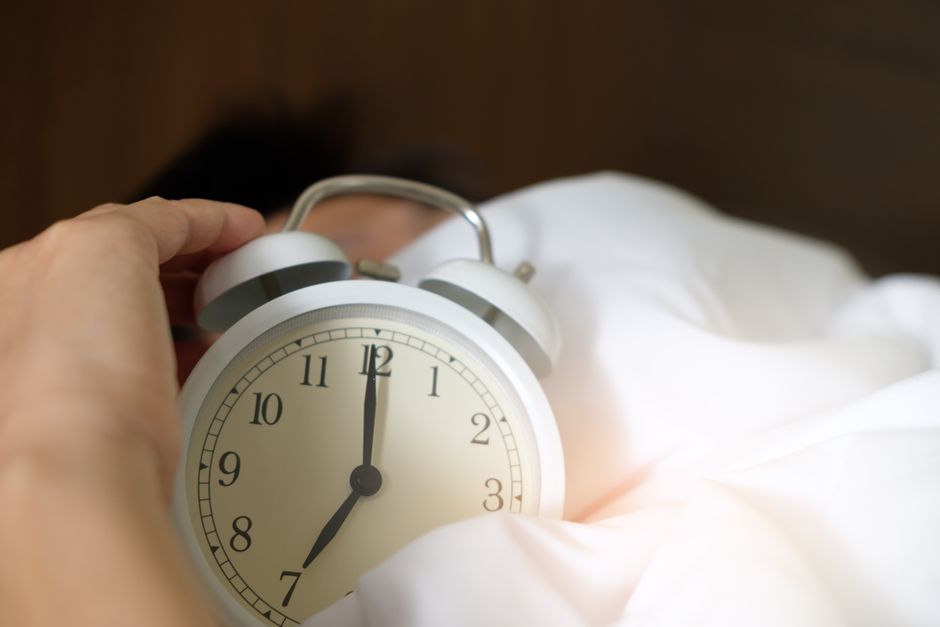
Waking up tired is one of the most common complaints in primary care. You get seven or eight hours in bed, yet you still feel like you haven’t slept at all. The truth is that sleep duration is only one part of the equation. Sleep quality, undiagnosed health conditions, and daily habits often matter more than the total hours you spend under the covers. The most frequent causes include poor sleep hygiene, fragmented sleep architecture, sleep apnea, and lifestyle factors like alcohol and caffeine timing. The good news is that most of these causes are identifiable and fixable, but you have to look at the right variables first.
Why Do I Wake Up So Tired Common Causes And Fixes
The most common reason people wake up exhausted is that they are not getting enough deep and REM sleep, even if they spend enough time in bed. Sleep is not a single continuous state. It cycles through light sleep, deep sleep, and REM sleep roughly every 90 minutes. Deep sleep is when your body repairs tissue and clears metabolic waste from the brain. REM sleep is when memory consolidation happens. If your sleep is fragmented — meaning you wake briefly many times during the night without remembering it — you lose those restorative stages.
Another major cause is undiagnosed obstructive sleep apnea. This condition causes your airway to collapse repeatedly during sleep, dropping your blood oxygen levels and forcing your brain to wake you just enough to restart breathing. Many people with sleep apnea have no idea they have it. They only notice the daytime fatigue. Loud snoring, gasping at night, or waking with a dry mouth are strong clues, but the absence of these symptoms does not rule it out.
Fixes start with tracking your sleep patterns. If you consistently wake up unrefreshed for more than a few weeks, a sleep study is the gold standard for diagnosis. Home sleep tests are now widely available and can detect moderate to severe obstructive sleep apnea with reasonable accuracy. Treating sleep apnea with CPAP therapy often produces dramatic improvements in morning energy within days to weeks.
What Does Poor Sleep Quality Actually Look Like?
Sleep quality is not a vague concept. It has measurable components. Sleep latency is how long it takes you to fall asleep — normally under 20 minutes. Sleep efficiency is the percentage of time in bed actually spent asleep — normally above 85 percent. Wake after sleep onset is the amount of time you spend awake during the night after first falling asleep. If you are awake for more than 20 minutes in the middle of the night, your sleep quality is compromised.
You also need to consider sleep regularity. Going to bed at 10 p.m. on weeknights and 2 a.m. on weekends shifts your circadian rhythm. This social jetlag, as researchers call it, makes Monday morning feel like a cross-country flight. Your body’s internal clock expects sleep at a certain time based on light exposure and melatonin release. When that schedule shifts by hours, your sleep becomes shallower and less restorative.
One non-obvious insight is that sleeping in on weekends does not repay sleep debt. It actually makes the problem worse. Oversleeping on Saturday and Sunday delays your circadian phase, making Sunday night sleep harder and Monday morning wake-up more brutal. A consistent wake time — even on weekends — is one of the most effective fixes for chronic morning fatigue.
What Are the Hidden Medical Causes of Morning Fatigue?
Several medical conditions present primarily as unrefreshing sleep or morning exhaustion. Iron deficiency is one of them, even without full anemia. Iron is required for dopamine synthesis and oxygen transport, both of which affect sleep and energy. Restless legs syndrome, which is strongly linked to low iron stores, can fragment sleep dozens of times per night without you fully waking.
Thyroid disease is another common culprit. Hypothyroidism slows metabolism and can cause profound fatigue, but it also disrupts sleep architecture. Some research suggests that untreated hypothyroidism reduces the amount of slow-wave deep sleep you get. A simple blood test measuring TSH can rule this out.
Depression and anxiety are frequently overlooked causes of morning tiredness. Sleep disturbance is a core symptom of major depressive disorder, and it often manifests as early morning awakening or non-restorative sleep. The relationship is bidirectional — poor sleep worsens mood and low mood worsens sleep. If you wake up tired and also notice persistent low mood, loss of interest, or excessive worry, this deserves a conversation with a clinician, not just a new sleep routine.
Nocturia — waking to urinate — is surprisingly common and severely fragments sleep. Waking once or twice a night to use the bathroom interrupts your sleep cycles. If you are over 50, this is often related to benign prostate enlargement in men or reduced bladder capacity in women. Reducing fluid intake two hours before bed and avoiding caffeine after noon can help, but persistent nocturia warrants medical evaluation.





How Do Alcohol and Caffeine Disrupt Your Sleep?
Alcohol is the most underestimated sleep disruptor. It helps you fall asleep faster because it is a central nervous system depressant. But as your liver metabolizes the alcohol over the night, your body goes through withdrawal. This causes lighter sleep, more awakenings, and a reduction in REM sleep. A glass of wine at dinner can produce a night where you sleep seven hours but wake up feeling like you slept four.
Caffeine has a half-life of about five to six hours. That means if you drink a coffee at 3 p.m., roughly half of the caffeine is still in your system at 9 p.m. It blocks adenosine receptors, which are the molecules that build sleep pressure throughout the day. Even if you fall asleep with caffeine on board, your sleep is lighter and more fragmented. The common advice to stop caffeine after noon is reasonable for most people, though individual sensitivity varies widely due to genetic differences in caffeine metabolism.
Nicotine is also a stimulant that disrupts sleep. Smokers and vapers often wake during the night due to nicotine withdrawal. If you use nicotine and struggle with morning fatigue, quitting is one of the most impactful changes you can make — not just for sleep but for overall health.
What Bedroom and Routine Changes Actually Work?
Temperature matters more than most people realize. Your core body temperature needs to drop by about one to two degrees Fahrenheit to initiate and maintain sleep. A bedroom that is too warm prevents that drop. The ideal sleeping temperature for most adults is between 60 and 67 degrees Fahrenheit. If you wake up sweaty or throw off blankets repeatedly, your room is likely too warm.
Light exposure is the primary regulator of your circadian rhythm. Morning light — ideally within an hour of waking — signals your brain to suppress melatonin and start the day. Evening light, especially blue light from screens, delays melatonin release. The fix is not necessarily eliminating screens entirely. It is reducing their intensity and moving them earlier in the evening. Dimming overhead lights and using warmer tones two hours before bed can make a measurable difference.
Consistent exercise improves sleep quality, but timing matters. Moderate aerobic exercise done in the morning or afternoon is associated with more deep sleep. Vigorous exercise within two hours of bedtime can raise core temperature and heart rate, making it harder to fall asleep. This is individual — some people sleep fine after evening workouts — but if you struggle, try moving exercise earlier in the day.
When Should You See a Doctor About Morning Fatigue?
Occasional tired mornings are normal. Everyone has them. But persistent unrefreshing sleep that lasts more than three months deserves attention. If you wake up tired most days despite adequate sleep opportunity, and it affects your work, mood, or safety, that is a medical issue, not a lifestyle quirk.
See a clinician if you have any of these warning signs: loud snoring, witnessed pauses in breathing during sleep, gasping or choking at night, severe daytime sleepiness that makes you fall asleep while driving, or persistent low mood. Also see a doctor if you have unexplained weight loss, fever, or night sweats alongside fatigue — those can point to other medical conditions that need evaluation.
A basic workup typically includes a complete blood count to check for anemia, thyroid function tests, iron studies, and vitamin B12 levels. If those are normal, a sleep study is the next step. Do not accept “you probably just need more sleep” as a final answer if your sleep duration is already adequate. There are effective treatments for nearly every cause of chronic morning fatigue, but the cause must be identified first.
Frequently Asked Questions
Why do I wake up tired after sleeping 8 hours?
You are likely getting enough total sleep but not enough deep or REM sleep due to fragmentation, sleep apnea, or poor sleep timing. Alcohol, caffeine, and an inconsistent schedule are the most common daily culprits.
Can sleep apnea cause morning fatigue without snoring?
Yes, sleep apnea can occur without loud snoring, especially in women and people who are not overweight. If you wake up unrefreshed most days, a home sleep test or in-lab study can provide a clear answer.
How long does it take to fix poor sleep quality?
Most people notice improvement within one to two weeks of consistent changes to bedtime, wake time, and evening habits. If you have sleep apnea or a medical condition, improvement happens after the underlying issue is treated.
Is it normal to need a nap every day?
Needing a nap daily is not normal for a healthy adult who gets adequate nighttime sleep. It often signals insufficient sleep quality or quantity, and it warrants a closer look at your sleep habits and possible medical causes.
