
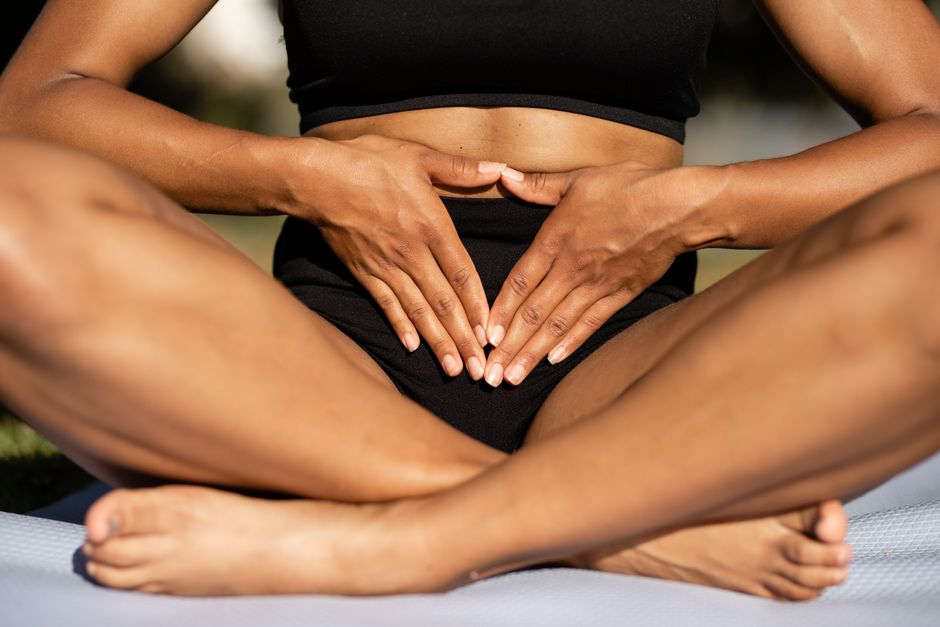
Popping a hemorrhoid is never a good idea, and you should not do it. Squeezing or cutting a hemorrhoid can cause severe pain, heavy bleeding, and a serious infection. Instead of popping it, you need to treat the swelling with proven home care and see a doctor if the pain is severe or bleeding continues.
What Is a Hemorrhoid and Why Does It Swell?
A hemorrhoid is a swollen vein in the lower rectum or anus. These veins are supposed to be there. Everyone has them. They act like cushions that help you control your bowel movements.
Problems start when these veins stretch and swell. This usually happens from pressure. Straining on the toilet, sitting for long periods, pregnancy, and chronic constipation are the most common causes. Obesity and lifting heavy objects can also contribute.
When the vein swells, it can bulge. Internal hemorrhoids form inside the rectum. External hemorrhoids form under the skin around the anus. Both types can cause pain, itching, and bleeding. Neither type is a pimple or a boil, and treating them like one is a mistake.
Can I Pop Hemorrhoids Why You Shouldnt And What To Do
You cannot pop a hemorrhoid like a pimple because it is not filled with pus. A hemorrhoid is a blood vessel. If you squeeze it, you are pressing on a vein that is already fragile and swollen. The result is usually a rupture, which means the vein tears open.
This can cause significant bleeding. The blood loss can be heavy enough to require medical attention. The tear also creates an open wound in an area that comes into contact with stool and bacteria. That is a direct path for infection.
Infection in this area can spread quickly. It can lead to a condition called cellulitis, which is a deep skin infection. In severe cases, the infection can enter the bloodstream and require hospitalization. The pain from a ruptured hemorrhoid is also intense and can last for days.
There is no benefit to popping a hemorrhoid. It does not speed up healing. It does not make the swelling go down. It only adds new problems to the one you already have.
What Happens If You Pop a Hemorrhoid
If you squeeze a hemorrhoid hard enough, the vein will eventually tear. You may see bright red blood on the tissue or in the toilet bowl. This bleeding can be alarming and can sometimes be difficult to stop.
The area will become more painful. The tissue around the anus is highly sensitive. A tear here hurts far more than a similar tear elsewhere on the body. The pain often worsens during bowel movements for several days.
Swelling may increase after you pop it. The body responds to tissue damage with inflammation. The area may become red, warm, and more tender. This is a sign of the body trying to heal, but it also makes the hemorrhoid feel worse than before.
Watch for signs of infection. Fever, chills, increasing pain, redness spreading beyond the original spot, or discharge that looks like pus all require immediate medical care. Do not wait to see if these symptoms go away on their own.


Safe Ways to Treat a Hemorrhoid at Home
Most hemorrhoids improve with simple home care. The goal is to reduce swelling and soften stool so you do not strain.
Take warm sitz baths. Sit in a few inches of warm water for 10 to 15 minutes. Do this two to three times a day. The warmth increases blood flow to the area and relaxes the muscles around the anus. This reduces pain and helps the swelling go down.
Use over-the-counter creams and suppositories. Products containing hydrocortisone reduce inflammation and itching. Products containing witch hazel can soothe the area. Follow the instructions on the package and do not use them for more than a week without talking to a doctor.
Apply cold packs. Wrap an ice pack in a clean cloth and hold it against the area for 10 minutes at a time. Cold reduces swelling and numbs the pain. Do not apply ice directly to the skin, as this can cause frostbite.
Take over-the-counter pain relievers. Acetaminophen or ibuprofen can help with the discomfort. Ibuprofen also reduces inflammation. Use these according to the dosing instructions on the label.
How to Prevent Hemorrhoids From Coming Back
Preventing hemorrhoids is mostly about preventing constipation. Hard stool and straining are the biggest triggers.
Drink more water. Aim for enough fluid so your urine is light yellow. Dehydration makes stool harder and more difficult to pass.
Eat more fiber. Adults should get between 25 and 35 grams of fiber per day. Good sources are fruits, vegetables, beans, and whole grains. If you increase your fiber intake, do it gradually. A sudden increase can cause gas and bloating.
Do not sit on the toilet for long periods. Give yourself time to go, but do not sit there reading or scrolling. The longer you sit, the more pressure you put on the veins. If you do not feel the urge to go, get up and try again later.
Go when you feel the urge. Delaying a bowel movement allows water to be reabsorbed from the stool, making it harder. This leads to more straining later.
Stay physically active. Exercise helps keep the digestive system moving. Even a daily walk can make a difference. Being sedentary increases the risk of constipation and hemorrhoids.
When to See a Doctor for a Hemorrhoid
Bleeding from the rectum is not always a hemorrhoid. Other conditions can cause it. Some of these are serious. If you see blood in your stool, on the toilet paper, or in the toilet bowl, you should be evaluated by a doctor.
See a doctor if the bleeding is heavy or lasts more than a few days. Also see a doctor if you have severe pain, if the hemorrhoid does not improve after a week of home care, or if you have a fever.
A doctor can confirm that what you have is actually a hemorrhoid. They can also check for other causes of bleeding, such as anal fissures or more serious conditions in the colon. This is not something to guess about.
Medical treatment is available for hemorrhoids that do not respond to home care. Rubber band ligation is a common procedure where a small band is placed around the base of the hemorrhoid to cut off its blood supply. It shrinks and falls off within a week. Other options include sclerotherapy, which involves injecting a solution to shrink the hemorrhoid, and surgical removal for the most severe cases.
These procedures are done by a doctor and are not something you can do at home. Trying to cut or tie off a hemorrhoid yourself carries a high risk of infection and uncontrolled bleeding.
Hemorrhoid vs. Anal Fissure vs. Skin Tag
Not every bump or pain near the anus is a hemorrhoid. Knowing the difference matters because the treatments are not the same.
An anal fissure is a small tear in the lining of the anus. It causes sharp pain during bowel movements and bright red blood on the toilet paper. Fissures are often confused with hemorrhoids because they cause similar symptoms. They heal with the same fiber and water approach, but they do not involve a swollen vein.
A skin tag is a small piece of excess skin that forms around the anus. Skin tags are usually painless and do not bleed. They are often leftover from a healed hemorrhoid or from chronic irritation. Skin tags do not need treatment unless they bother you, and they cannot be popped because they are solid tissue, not a fluid-filled sac.
If you are not certain what you have, a doctor can tell you in a quick exam. Do not assume it is a hemorrhoid and treat it incorrectly for weeks.
Frequently Asked Questions
Can a hemorrhoid burst on its own?
Yes, a hemorrhoid can burst on its own, especially after straining during a bowel movement. This causes bleeding but usually not severe pain, and the area often feels better once the pressure is released.
Is it safe to cut a hemorrhoid off at home?
No, cutting a hemorrhoid at home is extremely dangerous. It can cause uncontrolled bleeding, infection, and severe pain, and it requires immediate medical attention if complications occur.
How long does a hemorrhoid take to heal?
Most hemorrhoids improve within a few days to a week with home care. Larger or more severe hemorrhoids can take several weeks to fully resolve.
What does a thrombosed hemorrhoid look like?
A thrombosed hemorrhoid looks like a hard, painful blue or purple lump at the edge of the anus. It forms when a blood clot develops inside the hemorrhoid, and it usually requires medical evaluation.
