
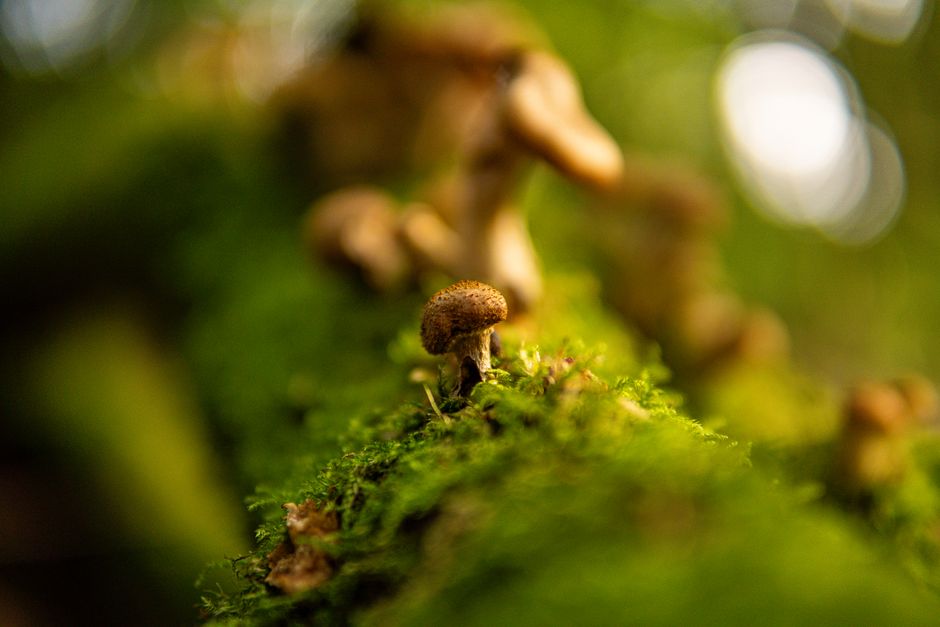
Truffles are one of the most prized ingredients in fine dining, but many people do not know what they actually are. A truffle is the underground fruiting body of a fungus that grows in a symbiotic relationship with tree roots. Unlike mushrooms that grow above ground, truffles grow several inches below the soil surface. They are harvested with the help of trained dogs or pigs that detect their strong, distinctive aroma.
What Is A Truffle The Underground Fungus Explained
Truffles are fungi from the genus Tuber. They belong to the same biological kingdom as mushrooms but have a different life cycle. Truffles form a mycorrhizal relationship with the roots of certain trees, such as oaks, hazels, and beeches. The truffle fungus provides the tree with minerals and water from the soil, and in return, the tree supplies the fungus with sugars produced through photosynthesis. The truffle itself is the fruiting body — the reproductive part — that forms underground. It contains spores, which are released when the truffle is eaten and dispersed by animals.
There are many species of truffles, but only a few are used in cooking. The most famous are the black truffle (Tuber melanosporum) from France and the white truffle (Tuber magnatum) from Italy. Other species include the summer truffle and the Burgundy truffle. Truffles cannot be farmed like ordinary crops because they require a specific combination of soil, climate, and host trees. Cultivation involves planting tree seedlings inoculated with truffle spores, and even then, it takes years to produce harvests.
How Do Truffles Grow?
Truffles grow underground in calcareous (calcium-rich) soils with good drainage and a neutral to alkaline pH. They are found in temperate regions of Europe, North America, Australia, and New Zealand. The truffle life cycle begins when spores colonize the roots of a compatible host tree. The fungus forms a network of tiny threads called hyphae that wrap around the root tips. Over several years, the fungus produces underground clusters of tissue that eventually develop into truffles.
Harvesting truffles is a delicate process. Traditionally, pigs were used because they naturally hunt for truffles due to the aroma that resembles pig pheromones. However, pigs can damage the truffle beds and are difficult to manage. Today, trained dogs are preferred. Dogs can be trained to detect the specific odor of ripe truffles without damaging the soil or the truffles themselves.
What Gives Truffles Their Strong Smell?
The powerful aroma of truffles comes from a blend of volatile organic compounds. More than 100 different compounds have been identified in truffle scent. Key compounds include bis(methylthio)methane, which gives a sulfurous, garlicky note, and androstenone, a steroid that smells like sweat or musk. Other compounds contribute earthy, fruity, or nutty notes. The exact mix varies by species, age, and soil conditions. White truffles have a more pungent, garlicky aroma, while black truffles smell more earthy and chocolate-like.
The scent is essential for truffle reproduction. Animals that eat truffles disperse the spores in their droppings, helping new truffle colonies form. Humans harvest truffles at peak ripeness, when the aroma is strongest, which is why fresh truffles are extremely perishable. Within days of harvest, the aroma fades significantly.





Are Truffles Nutritious or Healthy?
Truffles contain protein, fiber, carbohydrates, and small amounts of fat. They are also a source of minerals like potassium, phosphorus, calcium, and magnesium, as well as B vitamins. Some laboratory studies have shown that truffle extracts have antioxidant and anti-inflammatory properties. However, these studies used concentrated extracts, not whole truffles eaten in normal amounts. Truffles are typically used sparingly in cooking — a few grams shaved over a dish — so their nutritional contribution is modest.
There is no strong clinical evidence that eating truffles provides specific health benefits beyond those of a balanced diet. Some companies market truffle supplements, but no large human trials have confirmed their effectiveness. If you enjoy the flavor, truffles can be part of a healthy eating pattern, but they should not be relied upon as a treatment or prevention for any condition.
How Are Black and White Truffles Different?
The two most prized truffle types differ in appearance, aroma, price, and culinary use. Below is a quick comparison.
- Black truffle (Tuber melanosporum): Dark, bumpy exterior with a black to purple-brown interior. Aroma is earthy, musky, and slightly chocolatey. Peak season is winter. Best used in cooked dishes — sauces, butters, pastas — as heat mellows the flavor.
- White truffle (Tuber magnatum): Pale, smooth exterior with a golden-brown interior marbled with white veins. Aroma is pungent, garlicky, and subtle. Peak season is autumn to early winter. Best used raw — shaved over finished dishes like risotto, pasta, or eggs — because heat destroys the delicate aroma.
White truffles are generally more expensive than black truffles because they are rarer and cannot be cultivated as reliably. Black truffles are more widely cultivated, especially in France, Spain, Italy, and Australia.
Can You Eat Truffles Raw and How Are They Used?
Yes, truffles can be eaten raw. In fact, white truffles are almost always served raw. Black truffles can be eaten raw as well, though many chefs lightly cook them to soften the texture or intensify the flavor. Truffles are typically cleaned gently with a brush to remove soil, then shaved or grated thinly over dishes. Common pairings include pasta, risotto, eggs, potatoes, and butter-based sauces.
Truffle oil is a common ingredient in stores, but most truffle oils contain no real truffle. They are made from olive oil infused with a synthetic compound called 2,4-dithiapentane. This compound is a component of natural truffle aroma, but the oil lacks the complexity of fresh truffles. For an authentic truffle experience, fresh truffles are the best choice. Truffle salt, truffle butter, and truffle sauces may contain small amounts of real truffle, but check labels carefully because many are artificially flavored.
Are There Any Risks or Downsides to Eating Truffles?
Truffles are generally safe to eat. No known toxicity has been reported from consuming fresh truffles. Allergic reactions are possible, though uncommon. If you have a known allergy to other fungi, you may react to truffles as well. Start with a small amount if you are trying them for the first time.
Because truffles grow underground, they can absorb contaminants from the soil. However, truffles from reputable sources are tested for safety. In some regions, strict regulations govern truffle production. The main downside for most people is cost — fresh truffles can cost hundreds or thousands of dollars per pound depending on the species and season. As a result, truffles are used sparingly and are not a significant source of nutrition or risk in the average diet.
Frequently Asked Questions
Are truffles a type of mushroom?
Truffles are fungi like mushrooms, but they are not the same thing. Mushrooms grow above ground, while truffles grow entirely underground. Truffles also have a different structure and life cycle.
Why are truffles so expensive?
Truffles are expensive because they are difficult to cultivate, take years to grow, require specific soil and climate conditions, and must be harvested by hand with trained animals. Their short shelf life and high demand also drive up prices.
Can I grow truffles at home?
Growing truffles at home is possible but challenging. You need the right tree species, soil pH, climate, and patience — harvest can take 5 to 10 years. Purchasing inoculated saplings from a reputable supplier increases your chances, but success is not guaranteed.
Is truffle oil made from real truffles?
Most truffle oils contain artificial flavoring made from a synthetic compound, not real truffles. Some premium brands may infuse oil with small pieces of truffle, but the primary flavor usually comes from the synthetic additive.
