
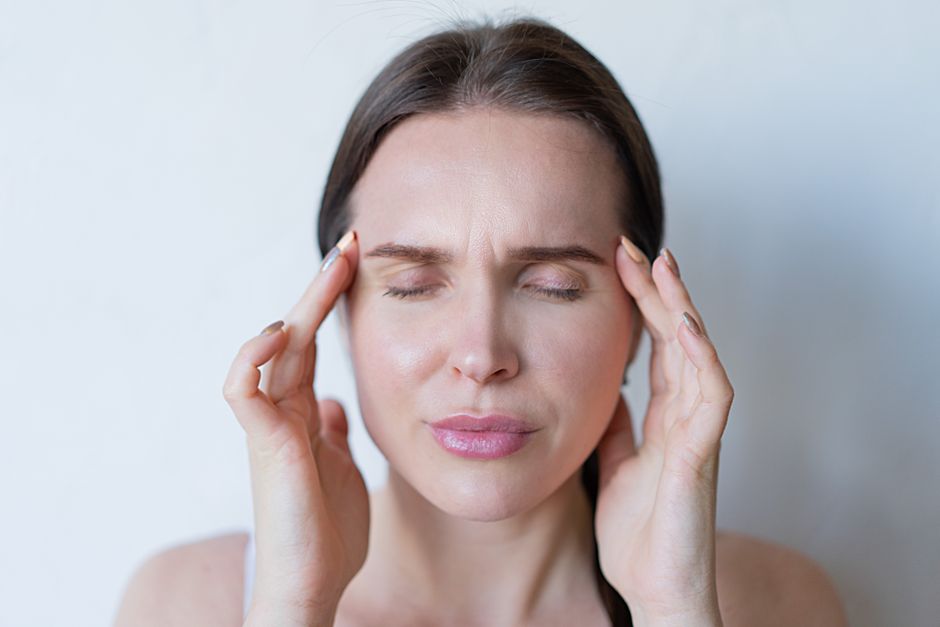
If you keep having headaches, the most likely reasons are tension headaches from stress or muscle strain, migraines triggered by specific foods or hormonal changes, or headaches linked to poor sleep, dehydration, or caffeine habits. Most people have headaches now and then, but when they happen often, there is usually a pattern you can identify and address.
Why Do I Keep Having Headaches Causes Explained
Headaches happen when pain-sensitive structures in your head and neck become irritated or inflamed. These structures include blood vessels, muscles, and nerves. The most common causes of frequent headaches are not dangerous, but they can disrupt daily life. Tension headaches are the most common type. They come from tight muscles in your scalp, neck, or jaw. Migraines are a different kind of headache that involve changes in brain activity and blood flow. Cluster headaches are rare but very painful. Knowing which type you have helps narrow down the cause.
For many people, the root cause is a combination of triggers. Stress is a major one. It leads to muscle tension and changes in sleep patterns. Poor sleep quality or inconsistent sleep schedules also trigger headaches. Dehydration is another common cause. Even mild dehydration can bring on a headache. Skipping meals or eating foods with additives like MSG or artificial sweeteners can set off headaches in some people. Caffeine can be tricky—too much can cause headaches, and so can cutting back suddenly.
What Are the Most Common Types of Headaches?
Tension headaches feel like a dull, pressing pain on both sides of your head. They usually last 30 minutes to several hours. The muscles in your neck and shoulders often feel tight. These headaches are not typically linked to nausea or vomiting.
Migraines are moderate to severe throbbing pain, often on one side of the head. They can last 4 to 72 hours. Migraines often come with nausea, vomiting, and sensitivity to light, sound, or smell. Some people have an “aura” before a migraine—visual disturbances like flashing lights or blind spots.
Cluster headaches cause intense burning or piercing pain on one side of the head, usually around the eye or temple. They come in cycles, happening several times a day for weeks, then disappearing for months. They are rare and affect more men than women.
Sinus headaches are actually uncommon despite how often people blame them. Most headaches that feel like sinus pressure are migraines. True sinus headaches happen only during a sinus infection, with thick yellow or green nasal discharge and fever.
What Lifestyle Factors Can Trigger Headaches?
Many daily habits can trigger headaches without you realizing it. Identifying your triggers can be more helpful than treating each headache separately.
- Sleep changes: Both too little and too much sleep can trigger headaches. Going to bed and waking up at different times each day is a common trigger.
- Dehydration: Not drinking enough water can cause a headache within a few hours. This is especially true during exercise or hot weather.
- Caffeine: Drinking more than 200–300 mg daily (about two to three cups of coffee) can lead to rebound headaches when you skip a dose. This is known as caffeine withdrawal headache.
- Skipping meals: Low blood sugar can trigger headaches. Eating regular meals helps keep blood sugar stable.
- Stress: Emotional stress tightens neck and shoulder muscles. It also releases chemicals that can trigger migraine attacks.
- Alcohol: Red wine, beer, and other alcoholic drinks can cause headaches in some people. The exact reason is not fully understood, but it may involve blood vessel dilation and dehydration.
- Food triggers: Common ones include aged cheese, processed meats, chocolate, and foods with monosodium glutamate (MSG). These do not affect everyone. If you suspect a food trigger, try eliminating it for two weeks and see if headaches improve.





When Should You See a Doctor for Headaches?
Most headaches are not dangerous, but some warning signs require medical attention. See a doctor if you have any of these:
- A sudden, severe headache that feels like the worst you have ever had (sometimes called a thunderclap headache)
- Headache after a head injury
- Headache with stiff neck, fever, confusion, or rash
- New headache after age 50
- Headache that gets worse over days or weeks
- Headache that wakes you from sleep
- Headache accompanied by weakness, numbness, or trouble speaking
A primary care doctor can diagnose common headache types and suggest treatments. If needed, they may refer you to a neurologist. Keeping a headache diary can help—note when each headache started, how long it lasted, what you ate, and how you slept.
How Can You Prevent Frequent Headaches?
Prevention focuses on managing triggers and building consistent habits. Research consistently shows that lifestyle changes reduce headache frequency for most people.
Stay hydrated. Aim for 8 cups (64 ounces) of water daily, more if you are active or in a warm climate.
Maintain a regular sleep schedule. Go to bed and wake up at the same time every day, including weekends. This helps regulate your internal clock and reduces headache risk.
Eat regular meals. Do not skip breakfast, lunch, or dinner. Having a small snack between meals can help keep blood sugar steady.
Limit caffeine. If you drink coffee or tea, try to keep your intake consistent each day. Avoid sudden increases or decreases.
Manage stress. Exercise, meditation, or simple breathing exercises can help. Even a 10-minute walk each day can reduce tension.
Watch your posture. Slouching at a desk or looking down at a phone strains neck muscles and can trigger tension headaches. Take breaks to stretch every 30 minutes.
If lifestyle changes are not enough, your doctor may discuss preventive medications or treatments like physical therapy, cognitive behavioral therapy, or acupuncture. The evidence for these varies, but some people find them helpful.
Frequently Asked Questions
Can high blood pressure cause headaches?
Very high blood pressure (hypertensive crisis) can cause headaches, but mild to moderate high blood pressure usually does not. If your headache is severe and your blood pressure is above 180/120, seek emergency care.
Why do I wake up with headaches every morning?
Morning headaches are often linked to sleep problems like sleep apnea, teeth grinding, or poor sleep quality. They can also be rebound headaches from caffeine or painkiller overuse the day before.
Are frequent headaches a sign of a brain tumor?
Brain tumors are a rare cause of headaches. Tumor headaches usually get worse over time, happen in the morning, and come with other symptoms like seizures, vision changes, or weakness. If you are worried, see a doctor, but most frequent headaches are not from a tumor.
Can dehydration cause migraines?
Yes, dehydration is a known trigger for migraines. Even mild dehydration can set off a migraine in people who are prone to them. Drinking water may help prevent attacks.
