

A test procedure is a written set of instructions that tells you exactly how a medical or laboratory test is done, from preparing the patient to reporting the result. It covers the phases of testing, the steps within each phase, and the safety rules that protect both the person being tested and the staff doing the work. Any test you take — a blood draw, a swab, an imaging scan, or a home collection kit — follows some version of this structure.
What Is a Test Procedure?
A test procedure is a controlled document. It describes what the test measures, what equipment and materials are used, how the sample is handled, and what could go wrong. In a clinical lab, procedures are written, reviewed, and version-controlled so that two people running the same test get the same answer.
This matters more than most people realize. A test result is only useful if it is reproducible. If one lab processes a blood sample differently than another, the numbers may not be comparable. That is one reason procedures are standardized rather than left to individual judgment.
Procedures exist in many settings:
- Hospital and reference laboratories
- Doctor’s offices and urgent care clinics
- Imaging centers
- Public health and environmental testing labs
- Manufacturing and food safety testing
- Home testing kits with mailed-in samples
The level of detail varies. A rapid strep test done in a clinic has a short procedure. A genetic sequencing protocol can run dozens of pages. The structure, though, is similar across all of them.
What Are the Phases of a Test Procedure?
Laboratory testing is generally divided into three phases. These are widely used in clinical laboratory practice and are sometimes called the pre-analytical, analytical, and post-analytical phases.
Pre-Analytical Phase
This phase covers everything before the actual measurement. It includes patient preparation, sample collection, labeling, storage, and transport. It is also where most errors happen. Research in clinical laboratory science has repeatedly found that the pre-analytical phase accounts for the largest share of testing errors — often the majority — though exact figures vary by study and setting.
Common issues here include:
- Wrong patient identification
- Fasting not followed when required
- Sample collected in the wrong tube or container
- Sample left at the wrong temperature
- Delays that let a sample degrade
Some tests are extremely sensitive to how a sample is handled. A blood potassium level, for example, can rise falsely if the sample sits too long or if the cells break open during handling. That is not a lab error in the measurement itself — it is a pre-analytical problem.
Analytical Phase
This is the measurement step. The sample is prepared and run through whatever instrument or method the test requires. During this phase, labs run quality control materials to confirm the instrument is performing correctly before and during patient testing.
Quality control is not optional. If a control sample falls outside an acceptable range, the run may be stopped and repeated. This is one reason results sometimes take longer than expected.
Post-Analytical Phase
After the measurement, results are reviewed, verified, and reported. A qualified person — often a laboratory professional or pathologist — checks that the result makes sense in context. A result that is technically valid but biologically implausible may be flagged for review or repeat testing.
This phase also covers how results reach the ordering provider and the patient, and how long records are kept.
What Are the Steps Within Each Phase?
Phases describe broad stages. Steps are the specific actions inside them. The exact steps depend on the test, but a general sequence looks like this:
- Order and verification — the test is requested, and staff confirm the right test for the right patient
- Patient preparation — instructions such as fasting, holding certain medications, or avoiding certain foods
- Identification — confirming identity with at least two identifiers, such as name and date of birth
- Collection — drawing blood, collecting urine, taking a swab, or performing the imaging study
- Labeling — attaching the correct information to the sample at the point of collection, not later
- Transport and storage — keeping the sample within required temperature and time limits
- Accessioning — logging the sample into the lab system
- Preparation — centrifuging, aliquoting, or otherwise readying the sample
- Measurement — running the test
- Quality review — checking controls and the result itself
- Reporting — releasing results to the provider and patient
- Documentation — recording everything for traceability
Not every test includes every step. A home kit skips the in-person collection but still includes labeling, transport, and reporting steps on the lab side.




What Safety Rules Apply to Test Procedures?
Safety in testing runs in two directions: protecting the person being tested and protecting the people handling samples.
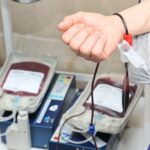
For patients, safety steps include confirming identity, using sterile equipment, minimizing pain and bleeding during collection, and watching for reactions such as fainting after a blood draw. For imaging tests that use contrast dye or radiation, safety includes screening for allergies, kidney function, and pregnancy before the test.
For staff, the core principle is treating all samples as potentially infectious. This is often called standard precautions. It includes:
- Gloves, and eye or face protection when splash risk exists
- Hand hygiene before and after contact
- Sharps containers for needles and lancets
- Disinfection of surfaces and equipment
- Proper disposal of biological waste
Labs also follow regulations on chemical safety, radiation safety, and electrical safety, depending on what they do. In the United States, clinical labs are subject to federal oversight and inspection, and many labs pursue additional voluntary accreditation.
One point worth clarifying: a test being “safe” does not mean it carries no risk. A blood draw can cause bruising, soreness, or rarely infection. A CT scan uses ionizing radiation. The relevant question is whether the benefit of the information outweighs the risk — and that is a decision made with a clinician, not by the procedure document alone.
Where Do Test Procedures Go Wrong?
Most testing problems are not measurement failures. They are process failures. The measurement instrument is usually the most tightly controlled part of the system. The weak points tend to be human and logistical.
Fasting is a good example. If a patient eats before a lipid panel or glucose test, the result may not reflect the intended baseline. That is not a lab malfunction. It is a preparation failure, and it can lead to a repeat test or a misleading result.
Mislabeled samples are another. A single mislabeled tube can produce a result attributed to the wrong person, which is a serious patient safety event. This is why labeling at the bedside, immediately after collection, is standard practice.
Temperature and timing matter too. Some samples must be chilled. Others must be kept at room temperature. Some must reach the lab within a set window. When those conditions are not met, the sample may be rejected and the test repeated.
How Are Test Procedures Standardized and Checked?
Standardization comes from several sources. Manufacturers publish instructions for their instruments and test kits. Professional organizations publish guidelines. Regulatory bodies set minimum requirements. Individual labs then write their own procedures to fit their equipment and patient population.
Labs verify that a test performs as expected before using it on patients. This is sometimes called validation or verification, and it checks accuracy, precision, and the range in which the test gives reliable results.
Ongoing checks include:
- Daily quality control runs
- Proficiency testing, where a lab tests unknown samples and compares results with other labs
- Internal audits and inspections
- Documented corrective action when problems are found
Proficiency testing is a meaningful check because it is external. A lab cannot simply decide its own results are correct. An outside body sends samples with known or unknown values, and the lab’s performance is compared against peers.
Frequently Asked Questions
What are the three phases of a test procedure?
The three phases are pre-analytical, analytical, and post-analytical. Pre-analytical covers preparation and collection, analytical covers the measurement, and post-analytical covers review and reporting of results.
Why does most testing error happen before the sample is measured?
The pre-analytical phase involves the most human steps and the most handoffs, which creates more opportunities for mistakes. Errors there include mislabeling, wrong collection tubes, and temperature or timing problems.
Is a blood test procedure safe?
Blood collection is generally low risk, with common effects limited to bruising, soreness, and occasional fainting. Serious complications such as infection are uncommon but possible.
What does standard precautions mean in a lab?
Standard precautions means treating every sample as if it could carry an infectious agent. That includes gloves, hand hygiene, sharps containers, surface disinfection, and safe waste disposal.
