
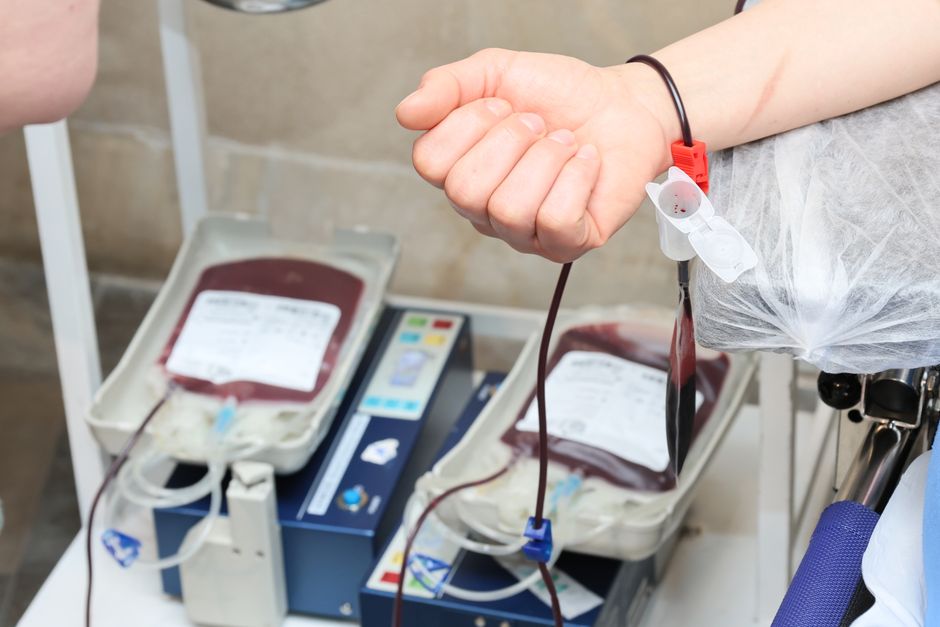
Phlebotomy is the practice of drawing blood from a patient for medical testing, transfusions, research, or blood donation. A phlebotomist is the trained healthcare professional who performs this procedure, most commonly using a needle to take blood from a vein in the arm. This field offers a clear entry point into healthcare, with training programs that typically take only a few months to complete.
What Does a Phlebotomy Procedure Involve?
The most common method is called venipuncture, which means accessing a vein with a needle. The procedure follows a standard sequence to protect both the patient and the phlebotomist.
First, the phlebotomist checks the patient’s identity and confirms the test orders. They then select a vein, usually in the antecubital area of the arm, which is the inside of the elbow. A tourniquet is applied above the site to make the vein more visible and easier to access.
The skin is cleaned with an antiseptic wipe, and the needle is inserted at a slight angle. Blood is collected into one or more vacuum-sealed tubes. The tubes contain different additives depending on the test being run. For example, some tubes contain a clot activator for serum tests, while others contain anticoagulants for whole blood or plasma tests.
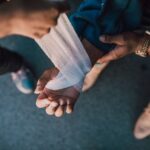
Once enough blood is collected, the tourniquet is released, the needle is removed, and pressure is applied to the site with gauze. A bandage is placed over the puncture site. The entire process usually takes under five minutes.
There are two less common collection methods. A fingerstick uses a small lancet to puncture the fingertip for a tiny amount of blood, often used for glucose checks or newborn screening. An arterial blood gas test draws from an artery, usually at the wrist, and is performed by a phlebotomist or another trained clinician because arteries carry higher pressure than veins.
What Are the Main Types of Phlebotomy Procedures?
Phlebotomy procedures fall into three broad categories based on the collection method and the purpose.
Diagnostic phlebotomy is the most common type. Blood is drawn for laboratory analysis to help diagnose conditions, monitor chronic diseases, or check organ function. This includes routine blood counts, cholesterol panels, glucose tests, and hormone levels.
Therapeutic phlebotomy removes blood as a treatment. This is used for conditions where the body produces too many red blood cells, such as polycythemia vera, or where iron builds up to dangerous levels, such as hemochromatosis. Removing a unit of blood reduces the excess cells or iron.
Donation phlebotomy collects blood from healthy donors for transfusion to others. This includes whole blood donation and apheresis, where a machine separates specific components like platelets or plasma and returns the rest to the donor.
Each type requires the same core skill of venous access, but the goals and the volume of blood collected are different. A diagnostic draw might take 5 to 10 milliliters. A therapeutic or donation draw can take 450 to 500 milliliters.
What Training and Certification Are Required?
Phlebotomy training programs are short compared to most healthcare careers. Most programs take between 4 and 8 months to complete and result in a certificate or diploma.
The curriculum covers anatomy of the circulatory system, proper needle insertion technique, infection control, specimen handling, and patient communication. Students practice on mannequins before moving to live practice with supervision. Most programs require a minimum number of successful venipunctures before graduation.
Certification is not legally required in every state, but most employers prefer or require it. Several organizations offer certification exams, including the American Society for Clinical Pathology, the National Healthcareer Association, and the American Medical Technologists. Each has its own eligibility requirements, but all require completion of a training program and a passing score on a written and sometimes practical exam.
According to the U.S. Bureau of Labor Statistics, the median annual wage for phlebotomists was around $38,000 in 2023. The job outlook is projected to grow faster than the average for all occupations, driven by an aging population that needs more blood tests.
What Skills Make a Good Phlebotomist?
Technical skill matters, but so does the human side of the job. Many patients are anxious about needles. A phlebotomist who can put them at ease makes the procedure smoother for everyone.
Key technical skills include finding veins in patients who are dehydrated, elderly, or have small veins. This requires practice and a good understanding of anatomy. It also requires knowing when to stop trying and ask for help from a colleague.
Patient interaction is a major part of the role. Explaining the procedure, distracting a nervous patient, and responding calmly to someone who feels faint are daily tasks. Phlebotomists also need attention to detail because labeling errors can lead to incorrect test results and potentially harmful medical decisions.
Physical stamina is another factor. Phlebotomists often work on their feet for long shifts. They may draw blood from dozens of patients in a single day, especially in busy hospital outpatient labs or donation centers.
Where Do Phlebotomists Work?
Phlebotomists are employed in a range of settings. Hospitals employ the largest number, staffing inpatient units, emergency departments, and outpatient labs. Clinical laboratories and diagnostic centers also hire phlebotomists to run patient service centers where people come for scheduled blood work.
Other work settings include blood donation centers, physician offices, and community health clinics. Some phlebotomists work in mobile roles, traveling to nursing homes, assisted living facilities, or patients’ homes to collect samples from people who cannot travel to a lab.
Work schedules vary by setting. Hospital phlebotomists may work nights, weekends, and holidays. Outpatient clinics and donation centers usually follow regular business hours. Part-time and per-diem positions are common in this field, which can appeal to people seeking flexible work.
What Are the Risks and Complications of Phlebotomy?
Phlebotomy is a low-risk procedure, but complications can occur. The most common is a hematoma, which is a bruise caused by blood leaking into the tissue around the puncture site. This usually resolves on its own within a few days.
Other possible complications include pain at the needle site, slight bleeding after the needle is removed, and vasovagal syncope, which is fainting triggered by the sight of blood or the needle. Phlebotomists are trained to recognize early signs of fainting, such as paleness, sweating, or dizziness, and to respond by having the patient lie down or lower their head.
Infection is rare when proper antiseptic technique is followed. Nerve injury is also rare but possible if the needle contacts a nerve during insertion. This can cause temporary numbness or tingling in the arm. Serious complications are uncommon, and the benefits of accurate diagnostic testing generally outweigh these risks.
Patients who take blood thinners may bleed longer after the draw. They should inform the phlebotomist so that pressure is applied for a longer period after the needle is removed.
How Does Phlebotomy Differ From Other Blood Collection Methods?
Phlebotomy specifically refers to the puncture of a vein for blood collection. It is distinct from other procedures that access the bloodstream.
An intravenous line, or IV, places a catheter into a vein to deliver fluids or medication. The insertion technique is similar, but the goal is delivery rather than collection. A central line is a catheter placed into a large vein near the heart, typically for long-term medication delivery or frequent blood draws in hospitalized patients. These are inserted by physicians or advanced practice clinicians, not phlebotomists.
Capillary blood collection, such as a heel stick on a newborn, is sometimes grouped with phlebotomy but uses a different technique. It collects small amounts of blood from capillary beds rather than veins.
Understanding these distinctions matters for patients who may hear the term phlebotomy used loosely. When a doctor orders “blood work,” a phlebotomist or a nurse will perform the draw depending on the setting.
Is Phlebotomy a Good Career Path?
Phlebotomy is often a stepping stone into the broader healthcare field. The training is short and affordable compared to nursing or medical school. It provides direct patient contact and hands-on clinical experience.
Many phlebotomists use the role as a foundation for further education. Working in a lab or hospital exposes them to other healthcare professions, and some go on to become medical assistants, nurses, or lab technicians. The patient interaction skills and medical terminology learned on the job transfer directly to these advanced roles.
The career has limitations worth considering. The work is repetitive, and the pay is modest relative to other clinical roles. Advancement within phlebotomy itself is limited, though experienced phlebotomists can move into supervisory roles, training positions, or specialized roles like donor apheresis technicians.
For someone who enjoys working with people, values a fast-paced environment, and wants a quick entry into healthcare, phlebotomy is a practical choice. For someone seeking high earning potential or career advancement without further education, it may not be sufficient long-term.
Frequently Asked Questions
How long does a phlebotomy procedure take?
The actual blood draw takes under five minutes from needle insertion to bandage placement. The total appointment is longer because of patient check-in, identity verification, and test order confirmation.
Does a phlebotomy needle hurt?
Most people feel a brief pinch or sting when the needle enters the skin. The discomfort usually lasts only a few seconds and fades once the needle is in place.
What happens if a phlebotomist cannot find a vein?
The phlebotomist may try the other arm, apply a warm pack to dilate the veins, or ask the patient to make a fist. If repeated attempts fail, a more experienced phlebotomist or a nurse may be called to assist.
Can I eat before a blood test?
It depends on the specific test ordered. Fasting blood tests, such as fasting glucose or lipid panels, require no food or drink for 8 to 12 hours beforehand. Other tests do not require fasting, but you should always follow the instructions your doctor or the lab provides.
