
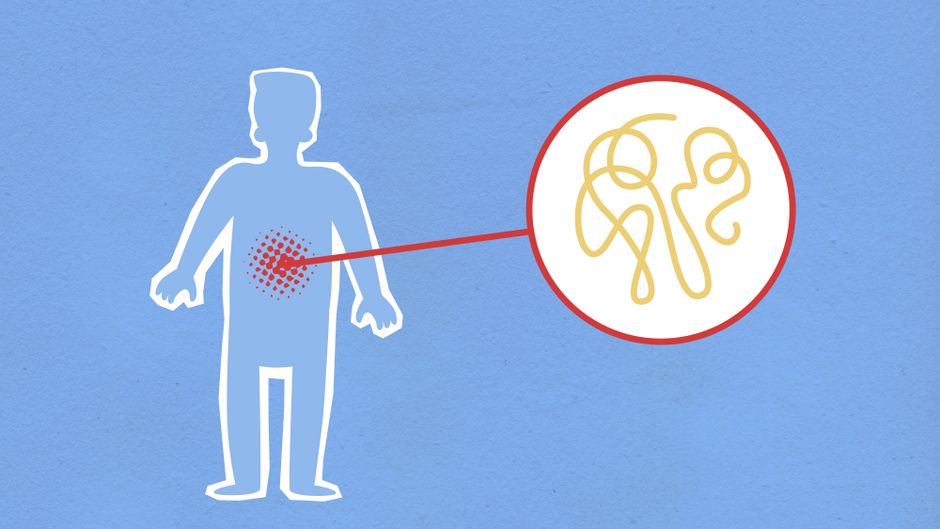
A stomach virus is an infection of the digestive tract that causes vomiting, watery diarrhea, and cramping. It is not caused by the influenza virus, even though many people call it “stomach flu.” The correct medical term is viral gastroenteritis. Several different viruses can cause it, and most healthy adults recover on their own within a few days.
What Is a Stomach Virus and What Causes It?
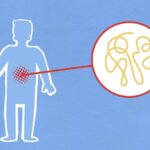
A stomach virus is inflammation of the stomach and intestines caused by a viral infection. The virus attacks the lining of the small intestine, which interferes with the normal absorption of water and nutrients. That interference is what produces the hallmark watery diarrhea.
Four viruses account for most cases in the United States:
- Norovirus is the most common cause in adults and older children. It spreads easily in closed settings like cruise ships, nursing homes, schools, and restaurants.
- Rotavirus was once the leading cause in infants and young children. Vaccination has sharply reduced cases in the U.S. since the vaccine was introduced in 2006.
- Adenovirus types 40 and 41 can cause gastroenteritis, mainly in children under age 2.
- Astrovirus tends to cause milder illness and is more common in young children and older adults.
Bacterial and parasitic infections can produce similar symptoms. That distinction matters because bacterial causes sometimes require different treatment. A doctor cannot always tell the difference from symptoms alone.
How Does a Stomach Virus Spread?
Stomach viruses spread primarily through the fecal-oral route. Tiny particles of infected stool or vomit get onto hands, surfaces, food, or water, and then into someone else’s mouth. It takes very few viral particles to make a person sick, which is why outbreaks move fast through households and group settings.
Norovirus is unusually contagious. It can survive on hard surfaces for days and is resistant to many common disinfectants, including alcohol-based hand sanitizers. Handwashing with soap and water remains the most effective way to remove it from your hands.
You can spread the virus before you feel sick and for a period after you recover. Some people shed the virus in their stool for up to two weeks after symptoms stop. That does not mean you still feel ill. It means you can still pass it on.
What Are the Symptoms and How Long Do They Last?
Symptoms usually appear 12 to 48 hours after exposure, though this varies by virus. Norovirus tends to hit fast, often within a day. Rotavirus symptoms typically take about two days to appear.
Common symptoms include:
- Watery diarrhea, often without blood
- Vomiting, sometimes forceful
- Stomach cramps and pain
- Nausea
- Low-grade fever
- Headache and body aches
Most people improve within one to three days. Norovirus illness typically lasts 24 to 72 hours. Rotavirus in young children can last three to eight days. Symptoms that persist beyond a week, or that include blood in the stool, warrant a call to a doctor.
The main risk from a stomach virus is not the virus itself. It is dehydration from losing fluids through vomiting and diarrhea.

Who Is Most at Risk for Serious Illness?
For most healthy adults, a stomach virus is unpleasant but not dangerous. The groups at higher risk of complications are:
- Infants and young children, who have smaller fluid reserves
- Older adults, especially those over 65
- People with weakened immune systems
- Anyone who cannot keep fluids down
Dehydration is the complication that matters most. Signs include dry mouth, dark urine, urinating less often, dizziness when standing, and in young children, crying without tears or unusual sleepiness. Severe dehydration requires medical care and sometimes intravenous fluids.
How Is a Stomach Virus Treated?
There is no antiviral medication that treats viral gastroenteritis. Treatment focuses on replacing lost fluids and electrolytes while the body clears the infection. Most cases resolve without any medication.
Oral rehydration solutions are the standard approach. These are balanced mixtures of water, salts, and sugar designed to replace what the body loses. They are sold in pharmacies and grocery stores. Sports drinks are not equivalent, because their sugar-to-salt ratio differs from what the gut needs for optimal absorption. For mild cases, plain water and a normal diet may be enough for healthy adults.
Antibiotics do not work against viruses and are not prescribed for viral gastroenteritis. Anti-diarrheal medications are sometimes used in adults with mild illness, but they should be avoided in cases with fever or bloody diarrhea, and they are generally not given to children. Anyone considering one should check with a pharmacist or doctor first.
Children, older adults, and anyone with significant fluid loss should be assessed by a clinician. No clinical guidelines currently exist for using over-the-counter anti-diarrheal medications in infants, and they should not be given without medical direction.
When Should You See a Doctor?
Seek medical care if you cannot keep fluids down for more than a day, if you have bloody diarrhea, or if you show signs of dehydration that do not improve with drinking. A high fever, severe abdominal pain, or symptoms lasting more than a few days also warrant evaluation.
For infants and young children, the threshold is lower. Call a pediatrician if a child is unusually sleepy, has not urinated in several hours, or has a dry mouth and no tears when crying. These are signs of dehydration that can worsen quickly in small bodies.
People with weakened immune systems should contact a doctor early rather than waiting to see if symptoms improve on their own.
How Can You Prevent a Stomach Virus?
Handwashing with soap and water is the single most effective step. Alcohol-based sanitizers do not reliably kill norovirus, so soap and water matter more here than in many other infections. Wash for at least 20 seconds, especially after using the bathroom, changing diapers, and before preparing food.
Other steps that reduce spread:
- Disinfect contaminated surfaces with a bleach-based cleaner
- Wash fruits and vegetables before eating
- Cook shellfish thoroughly, since norovirus can concentrate in oysters and clams
- Stay home while sick and for at least two days after symptoms stop
- Do not prepare food for others while sick or shortly after recovery
- Wash soiled clothing and bedding in hot water
The rotavirus vaccine is recommended for infants in the U.S. and has substantially reduced severe rotavirus illness. There is no vaccine for norovirus.
Stomach Virus vs. Food Poisoning vs. Influenza
These three conditions are frequently confused, and the differences matter for what to do next.
| Condition | Cause | Typical onset | Typical duration |
|---|---|---|---|
| Stomach virus | Norovirus, rotavirus, adenovirus, astrovirus | 12 to 48 hours after exposure | 1 to 3 days |
| Food poisoning | Bacteria, toxins, or parasites in food | Often within hours | Usually under 24 hours, but varies |
| Influenza | Influenza virus | 1 to 4 days after exposure | About 1 to 2 weeks |
Food poisoning often strikes faster and resolves faster than a stomach virus, though this is a general pattern and not a reliable rule. Influenza causes respiratory symptoms like cough and sore throat, along with fever and body aches. It does not typically cause vomiting or diarrhea in adults. When people say they have “stomach flu,” they almost always mean viral gastroenteritis, not influenza.
Frequently Asked Questions
How long does a stomach virus usually last?
Most stomach viruses resolve within one to three days in healthy adults. Rotavirus in young children can last up to eight days.
Is a stomach virus the same as the flu?
No. Influenza is a respiratory virus, while a stomach virus infects the digestive tract. The two are caused by completely different viruses.
Can you get a stomach virus twice?
Yes. Norovirus has many different strains, and immunity to one does not protect against others. You can also be reinfected by the same strain over time.
Should you eat while you have a stomach virus?
If you feel hungry, eating mild foods is generally fine. The priority is drinking enough fluids to replace what you lose through vomiting and diarrhea.
