
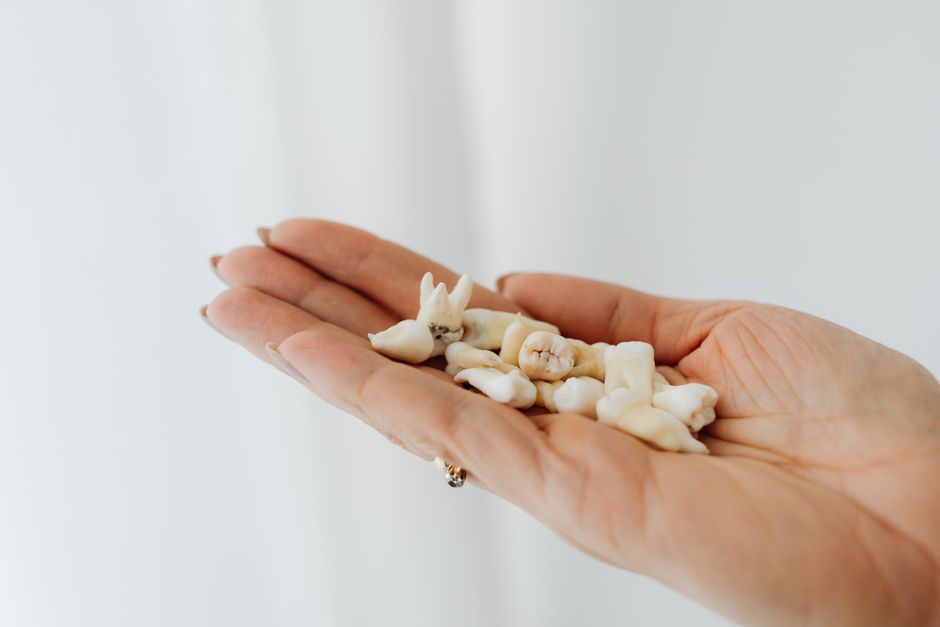
A snaggle tooth is a tooth that sits out of line with the others. It can be twisted, tilted, overlapping, or pushed forward or backward. Many people have at least one. The causes range from genetics to childhood habits to injury. Understanding why it happens helps you decide what to do about it.
What Is a Snaggle Tooth and What Causes It?
A snaggle tooth is a misaligned tooth. It stands apart from the rest of the arch. Some people call it a crooked tooth or a rotated tooth. It often creates a noticeable gap or overlap.
The main cause is a mismatch between tooth size and jaw size. When the jaw is too small for the teeth, crowding happens. Teeth then push into abnormal positions. Genetics plays a large role. If your parents had crooked teeth, you are more likely to have them.
Childhood habits also contribute. Thumb sucking beyond age 4 or 5 can push front teeth forward. Prolonged pacifier use or tongue thrusting can change tooth alignment. Losing baby teeth early or late can affect how permanent teeth come in.
Injuries to the mouth can shift a tooth out of place. A fall or a blow to the face may knock a tooth slightly out of its socket. Over time it heals in a new, crooked position.
How Does a Snaggle Tooth Develop?
Teeth develop inside the jawbone. They erupt through the gums when ready. The path they take depends on the space available and the position of neighboring teeth.
Permanent teeth are larger than baby teeth. If the jaw has not grown enough to make room, teeth come in at odd angles. A tooth may try to squeeze into a space that is too narrow. That forces it to twist or tilt.
Sometimes an adult tooth comes in behind a baby tooth that has not fallen out yet. That baby tooth acts like a roadblock. The new tooth then erupts in the wrong spot.
Wisdom teeth can also cause problems. When they grow in sideways or impacted, they push against the other teeth. That pressure can slowly shift front teeth out of alignment.
Common Causes of a Snaggle Tooth
There are several well-documented causes. Genetics is the most common. Your genes determine your jaw size, tooth size, and the shape of your dental arch.
- Genetics. If one parent has crowded teeth, you have a higher chance. Identical twins often have similar alignment issues.
- Jaw size. A small jaw cannot fit all the permanent teeth. Crowding leads to snaggle teeth.
- Thumb sucking and pacifier use. Sustained pressure on the front teeth pushes them forward. This is most impactful before age 6.
- Tongue thrust. Some people push their tongue against their front teeth when swallowing. Over years this forces teeth outward.
- Early tooth loss. Losing a baby tooth too early lets neighboring teeth drift into the gap. The permanent tooth then comes in crooked.
- Injury. A direct hit to a tooth can shift it permanently.
- Oral tumors or cysts. Rare conditions that grow in the jaw can displace teeth.





Can a Snaggle Tooth Affect Your Health?
A single crooked tooth is often a cosmetic concern. But it can have real health effects depending on how severe it is.
Crowded teeth are harder to clean. Plaque builds up in tight spaces where floss cannot reach. That raises the risk of cavities and gum disease. The tooth may also wear unevenly from biting in the wrong position.
A snaggle tooth that sticks out is more vulnerable to injury. It may chip or break during sports or from an accidental hit. Protruding front teeth are especially at risk.
In some cases, a severely rotated or tilted tooth can affect your bite. That may cause jaw pain, headaches, or uneven chewing. But for many people, a single crooked tooth causes no symptoms.
Treatment Options for a Snaggle Tooth
Treatment is not always necessary. If the tooth does not cause cleaning problems or discomfort, you can leave it alone. Many adults have a snaggle tooth and never treat it.
When treatment is chosen, orthodontics is the standard approach. Braces or clear aligners can gradually move the tooth into the correct position. Treatment time varies but often ranges from 6 to 18 months for a single tooth.
For mild cases, a retainer alone may work. A dentist or orthodontist can fit a removable appliance that applies gentle pressure. This works best when the tooth is only slightly rotated.
In rare cases, a dentist may recommend bonding or veneers. These reshape the tooth to look straighter without moving it. This is a cosmetic fix only. It does not address underlying alignment issues.
No clinical guidelines currently exist for home remedies to straighten a snaggle tooth. Devices sold online that claim to move teeth without professional supervision are not proven safe. DIY orthodontics can damage teeth and gums permanently. Always see a licensed dentist or orthodontist.
When Should You See a Dentist?
You should see a dentist if the snaggle tooth causes pain, makes cleaning difficult, or affects your bite. Also see a dentist if the tooth was recently injured and shifted out of place.
For children, a dentist can evaluate alignment around age 7. Early treatment may prevent more complex problems later. But not every child with a snaggle tooth needs braces.
Adults can seek treatment at any age. Teeth can be moved safely in healthy gums and bone. The process may take slightly longer than in children, but it works.
Frequently Asked Questions
Can a snaggle tooth straighten on its own?
No. Teeth do not straighten without some form of orthodontic treatment. They can shift slightly over time but usually not into perfect alignment.
Is a snaggle tooth a sign of a serious problem?
Not usually. It is often just a cosmetic issue. But if it is caused by crowding, it may signal a jaw-size problem that needs evaluation.
Do I need braces for a single crooked tooth?
Not necessarily. A retainer, aligner, or bonding may be options depending on how severe the rotation is. A consultation with an orthodontist can tell you.
Can thumb sucking cause a snaggle tooth?
Yes. Prolonged thumb sucking after age 4 can push front teeth forward and create misalignment. Stopping the habit early often prevents permanent changes.
