
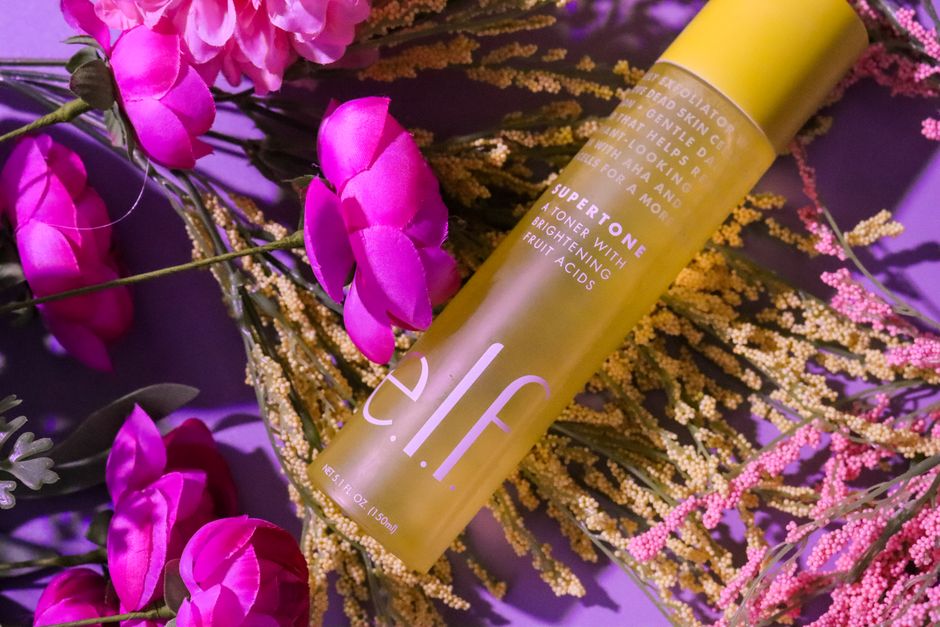
A skin care toner is a liquid product applied to the face after cleansing and before moisturizing. Most toners are water-based formulas that balance skin pH, remove residual dirt or makeup, and prepare the skin to absorb other products. Despite being one of the most debated steps in a skincare routine, toners have evolved significantly from their alcohol-heavy predecessors of the 1980s into gentler formulations that many dermatologists now view as genuinely useful.
How Does Skin Care Toner Work?
Toners work by addressing what happens to your skin after cleansing. Most tap water has a pH between 6.5 and 8.5, while healthy skin sits closer to 4.7 to 5.5. When you wash your face, especially with soap-based cleansers, you temporarily raise your skin’s pH. A toner helps restore that acidic environment faster.
Modern toners also deliver active ingredients in a form your skin can absorb quickly. Because they are mostly water, ingredients like niacinamide, hyaluronic acid, or salicylic acid penetrate the skin barrier more easily than they would in a cream. Some toners include humectants that pull moisture into the skin. Others contain exfoliating acids that dissolve dead skin cells.
The idea that toner “shrinks pores” is misleading. Pore size is genetically determined. What toners can do is clean out pores and temporarily reduce the appearance of enlarged pores by removing debris and oil buildup.
Do You Actually Need a Skin Care Toner?
No one strictly needs a toner to have healthy skin. A basic routine of cleanser, moisturizer, and sunscreen is sufficient for most people. That said, toners are not useless.
If you use a gentle cleanser and have balanced skin, a hydrating toner can add an extra layer of moisture. If you have oily or acne-prone skin, a toner with salicylic acid or witch hazel can help manage excess oil. If you wear heavy makeup or sunscreen, a toner can ensure everything is fully removed before you apply treatment products.
The key is understanding what your skin actually needs. Adding a toner just because it appears in every skincare routine online is how people end up with eight products doing the same thing. If your skin feels tight after cleansing, the problem might be your cleanser, not the absence of a toner.
What Ingredients Should Be in a Skin Care Toner?
Ingredient choice depends entirely on your skin concerns. A hydrating toner and an exfoliating toner are fundamentally different products with the same name.
For dry or sensitive skin, look for glycerin, hyaluronic acid, or aloe vera. These ingredients draw water into the skin and create a moisture barrier. For oily or acne-prone skin, salicylic acid, niacinamide, or tea tree oil can reduce sebum production and prevent clogged pores. For dull or uneven skin tone, lactic acid, glycolic acid, or vitamin C provide gentle exfoliation and brightening.
Avoid toners with high alcohol content unless you have extremely oily skin and even then use them sparingly. Alcohol does remove oil effectively but it also disrupts the skin barrier over time, leading to irritation and paradoxically more oil production as your skin tries to compensate. Witch hazel is less harsh than straight alcohol but can still be drying for some people.
| Skin Type | Recommended Ingredients | Ingredients to Avoid |
|---|---|---|
| Dry or Sensitive | Hyaluronic acid, glycerin, ceramides | Alcohol, fragrance, strong acids |
| Oily or Acne-Prone | Salicylic acid, niacinamide, tea tree oil | Heavy oils, pore-clogging emollients |
| Combination | Rose water, green tea, light humectants | Very drying alcohols |
| Mature or Dull | Glycolic acid, lactic acid, antioxidants | Harsh physical exfoliants |



What Does Research on Skin Care Toner Show?
There are surprisingly few studies specifically testing whether toners improve skin health compared to skipping that step entirely. Most research focuses on individual ingredients rather than the delivery method.
Studies on niacinamide consistently show it reduces inflammation and improves skin barrier function. Whether applied in a toner, serum, or moisturizer makes little difference. Research on salicylic acid demonstrates its effectiveness at penetrating pores and reducing acne lesions, but again the format matters less than the concentration and consistency of use.
A 2019 study published in the Journal of Clinical and Aesthetic Dermatology found that products restoring skin pH after cleansing did help maintain barrier integrity, which supports the basic premise of toner use. However, the study noted that switching to a pH-balanced cleanser achieved similar results without requiring an additional product.
The toner category has become something of a catch-all for water-based treatment products. Some of what is marketed as toner is functionally identical to what others call essence or skin treatment. The label matters less than what is actually in the bottle.
How Should You Apply Skin Care Toner?
Most people either use a cotton pad or apply toner directly with their hands. The cotton pad method is traditional and helps with physical removal of any remaining residue. The downside is that cotton absorbs a significant amount of product, meaning less reaches your skin. If you use expensive toner this adds up.
Applying toner with clean hands is more efficient. Pour a small amount into your palm, press it between both hands, and gently pat it onto your face and neck. This method also avoids the friction of dragging cotton across your skin, which can be irritating for sensitive types.
Apply toner to damp skin immediately after cleansing. This helps lock in moisture. Wait about 30 seconds for the toner to absorb before applying your next product. If your skin feels sticky or wet after a few minutes, you used too much.
Some people use toner twice daily. Others only at night. As of 2026, dermatologists generally agree that once daily is sufficient unless you are using a very gentle hydrating formula with no active ingredients.
What Are Common Mistakes When Using Skin Care Toner?
The most common mistake is using a toner that contradicts your other products. If you already use a glycolic acid serum at night, adding a glycolic acid toner is overkill and increases irritation risk without added benefit. Layering too many active ingredients is how people end up with damaged skin barriers.
Another mistake is assuming toner alone will solve a skin problem. Toner is a supporting product. If you have persistent acne, rosacea, or hyperpigmentation, you need targeted treatment, not just a toner step. The skincare industry has elevated toners into something they were never meant to be.
Using toner on broken or irritated skin is also problematic. If your skin is red, peeling, or inflamed, skip acids and astringents entirely. Stick to plain water or a very basic hydrating toner until your skin barrier recovers.
- Rubbing toner in too aggressively with a cotton pad damages the skin barrier over time
- Using toner to “prep” skin but then not following with moisturizer leaves humectants without anything to seal them in
- Buying toner based on fragrance or packaging rather than ingredient list
- Continuing to use a toner that stings or burns because you assume all toners are supposed to feel that way
Are Expensive Skin Care Toners Worth It?
Price does not reliably predict effectiveness for toners. Some drugstore toners contain the same active ingredients at similar concentrations as luxury brands that cost five times more. You are often paying for packaging, brand positioning, and marketing.
That said, very cheap toners often rely on alcohol as a primary ingredient because it is inexpensive and creates a temporary feeling of cleanliness. Mid-range toners tend to offer better formulations without the luxury markup.
The most expensive toners often include exotic botanicals or fermented ingredients. Some of these have research support. Many do not. A toner with snail mucin or fermented yeast might work beautifully for your skin, but that is likely due to the humectants and amino acids these ingredients contain, not because they are inherently superior to simpler formulations.
If you want to splurge on one skincare product, toner is not where to do it. Invest in sunscreen or a targeted treatment serum instead. Save money on toner and put it toward something with stronger clinical evidence.
Frequently Asked Questions About Skin Care Toner
Can skin care toner replace moisturizer?
No, toner cannot replace moisturizer. Toner adds water-based hydration, while moisturizer creates a barrier that prevents water loss from your skin throughout the day.
Should you use toner in the morning or at night?
Either works, depending on the formula. Hydrating toners can be used twice daily, while exfoliating toners with acids are typically best used only at night to avoid sun sensitivity.
Can toner cause breakouts?
Yes, if the toner contains pore-clogging ingredients or disrupts your skin barrier with harsh alcohols. Switching to a gentler formula usually resolves the issue within a few weeks.
How long does it take to see results from using toner?
Hydrating toners show results immediately in terms of how skin feels. Toners with active ingredients like acids or niacinamide typically require 4 to 6 weeks of consistent use before visible improvement.
