
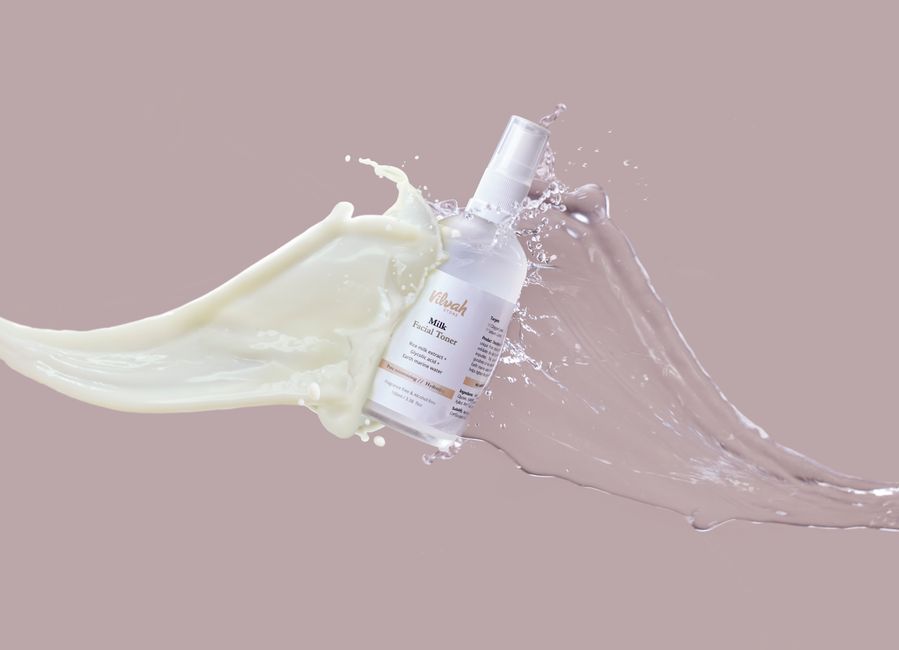
Toner is not a necessary step in a skin care routine. Your skin does not need a toner to be healthy or clean. However, toner can be a useful addition for certain skin types and specific concerns, provided you choose the right formula. The real answer depends on your skin type, your goals, and the specific product you are considering.
What Does Toner Actually Do?
Historically, toners were astringent liquids designed to remove leftover makeup, dirt, and oil after cleansing. These old formulas often contained high amounts of alcohol, which stripped the skin of its natural oils and left it feeling tight and dry. Many people still associate toner with that harsh, stinging sensation.
Modern toners are different. Most are now formulated to hydrate, balance the skin’s pH, or deliver active ingredients like exfoliating acids or antioxidants. They are no longer just a second cleansing step. They are often a vehicle for treatment.
In simple terms, a toner is a water-based liquid applied after cleansing and before moisturizer or serums. It can prepare the skin to absorb the products you apply next, but this effect is modest and not always necessary.
Is a Toner Necessary in Skin Care for Every Skin Type?
No. For many people, toner is an optional step that adds little value. If you have normal skin, cleanse with a gentle cleanser, and use a moisturizer with SPF, a toner will not meaningfully change your skin’s health.
There are specific situations where toner can genuinely help. People with oily or acne-prone skin may benefit from a toner containing salicylic acid or niacinamide. These ingredients can help reduce excess oil and clear pores. People with dry or dehydrated skin may benefit from a hydrating toner with ingredients like hyaluronic acid or glycerin.
For sensitive skin, toner is often more of a risk than a benefit. Many toners contain botanical extracts, essential oils, or preservatives that can trigger irritation. If your skin is easily irritated, skipping toner entirely is a reasonable and often recommended choice.
What Are the Different Types of Toners?
Toners are not all the same. The category has expanded significantly, and understanding the differences is key to deciding if one is right for you.
- Hydrating toners contain humectants like hyaluronic acid, glycerin, or aloe vera. They add moisture to the skin and are best for dry or dehydrated skin.
- Exfoliating toners contain alpha-hydroxy acids (AHAs) like glycolic acid or beta-hydroxy acids (BHAs) like salicylic acid. They help remove dead skin cells and unclog pores. These are often called “liquid exfoliants.”
- Balancing toners aim to restore the skin’s natural pH after cleansing. This is less critical today because most modern cleansers are already pH-balanced.
- Astringent toners often contain alcohol or witch hazel. They are designed for oily skin but can be very drying and irritating. Most dermatologists do not recommend them.
Knowing which type you are using matters. A hydrating toner and an exfoliating toner have completely different purposes and effects.




Can Toner Help With Acne or Large Pores?
Some toners can help with these concerns, but the evidence is specific to the ingredients, not the product format. Salicylic acid is well established as an effective ingredient for acne because it penetrates oil-filled pores and helps clear blockages. If a toner contains salicylic acid at an appropriate concentration, it can be a useful part of an acne routine.
Large pores are a different issue. You cannot physically shrink pores. However, keeping pores clear of oil and debris can make them appear smaller. Exfoliating toners can help with this appearance, but the effect is temporary and subtle.
It is important to be realistic. A toner alone will not clear moderate to severe acne. Acne typically requires a comprehensive approach, often including benzoyl peroxide, retinoids, or prescription treatments. Toner is a supporting player, not the main treatment.
How to Tell If Your Toner Is Doing More Harm Than Good
Pay attention to how your skin feels after using a toner. A stinging or burning sensation is a red flag. So is persistent redness, flaking, or a feeling of tightness. These signs indicate irritation, and irritation can damage the skin barrier over time.
A damaged skin barrier can lead to increased sensitivity, dryness, and even breakouts. This is a common problem with over-exfoliating toners. People often assume more exfoliation is better, but the opposite is true. Overuse of AHA or BHA toners can cause significant irritation.
If you are using an exfoliating toner, start slowly. Use it a few times a week, not every day. If your skin becomes irritated, stop using it and give your skin time to recover.
How to Use Toner Correctly
If you decide to use a toner, application is simple. After cleansing, apply a small amount to a cotton pad or your hands. Gently pat or swipe it over your face. Wait a few seconds for it to dry, then follow with moisturizer.
Using your hands instead of a cotton pad reduces waste and is gentler on the skin. Cotton pads can create friction, which is unnecessary for most skin types. The exception is if you are using a toner as a second cleanse to remove leftover residue, in which case a cotton pad is more effective.
Apply toner to damp skin if you are using a hydrating formula. This can help lock in additional moisture. For exfoliating toners, apply to dry skin to avoid increasing penetration and potential irritation.
What Happens If You Skip Toner?
Nothing. Your skin will not suffer. If you cleanse properly and use a moisturizer, your skin will be perfectly healthy without a toner. The idea that toner is a required step in a skin care routine is a marketing concept, not a medical one.
Many dermatologists do not use toner themselves. Their routines often consist of a cleanser, a treatment product like a retinoid or vitamin C serum, and a moisturizer with sunscreen. Toner is not part of that equation.
If you are on a budget or prefer a minimal routine, you can skip toner without any concern. The money you would spend on toner is better invested in a quality cleanser, moisturizer, or sunscreen.
How to Choose a Toner If You Want One
Start with your skin type. If your skin is dry, look for a toner with hydrating ingredients and no alcohol. If your skin is oily, look for a toner with niacinamide or salicylic acid. If your skin is sensitive, look for a toner with a short ingredient list and no fragrance.
Check the ingredient list for alcohol. Alcohol denat, SD alcohol, or simply “alcohol” near the top of the list is a warning sign. These ingredients are drying and can cause irritation, especially with repeated use.
Be careful with products that promise dramatic results. No toner will transform your skin overnight. Realistic expectations are important. A toner can support your skin, but it is not a miracle product.
Frequently Asked Questions
Can I use toner every day?
Hydrating toners can be used daily. Exfoliating toners should be used only a few times a week to avoid irritation, especially if you are new to them.
Do I need toner if I have oily skin?
Not necessarily, but a toner with salicylic acid or niacinamide can help manage excess oil and keep pores clear. Start with a few uses per week to see how your skin responds.
Is toner the same as astringent?
No. Astringents are a specific type of toner that often contain alcohol or witch hazel. They are very drying and are not recommended for most skin types.
Should I use toner before or after moisturizer?
Toner goes on after cleansing and before moisturizer. This allows the toner’s ingredients to absorb into the skin first.
