
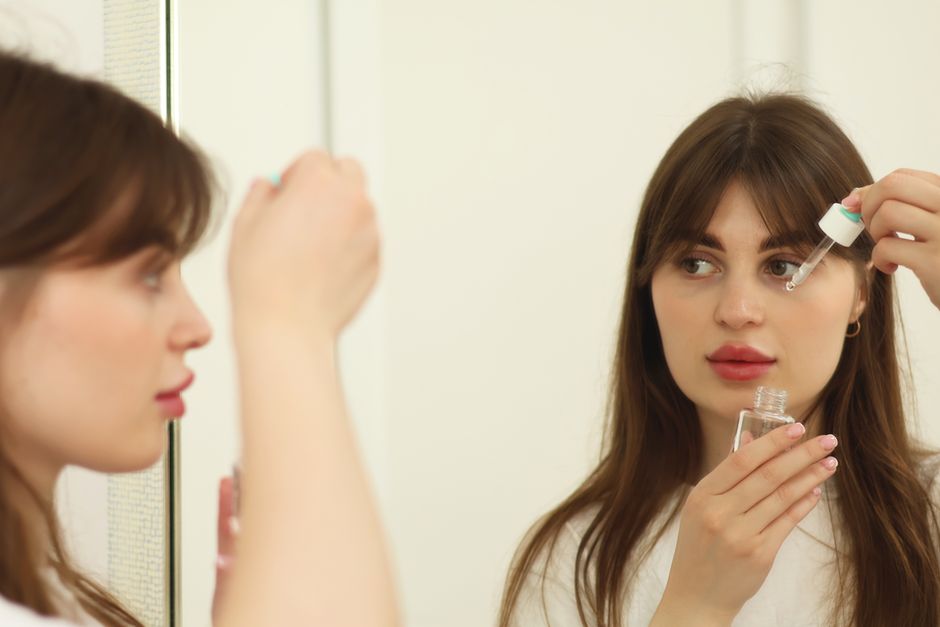
Lha Skin Care is a brand that sells botanical skincare products, mostly serums and creams, made with plant extracts and oils. The name comes from the Tibetan word “lha,” which means spirit or divine, and the brand draws inspiration from traditional Himalayan wellness practices. If you are looking for a natural, plant-based skincare routine, this brand is one of many options on the market, but its specific claims about anti-aging and skin repair need a closer look before you buy.
What Makes Lha Skin Care Different?
Lha Skin Care positions itself as a luxury botanical brand. Instead of using synthetic fragrances or harsh chemicals, the formulas rely on cold-pressed oils and herbal extracts. Common ingredients include sea buckthorn, rosehip, jojoba, and various essential oils. These are real plant compounds with documented skin benefits.
Sea buckthorn oil, for example, contains fatty acids and antioxidants that are used in dermatology for wound healing and moisturizing. Rosehip oil is rich in vitamin C and has been studied for its ability to improve skin elasticity and reduce the appearance of scars. These are not marketing inventions; these ingredients have genuine biological activity on the skin.
What is less clear is whether this specific brand’s combinations of these ingredients outperform simpler, less expensive products. The evidence base for the individual ingredients is stronger than the evidence base for the finished products themselves.
What Are the Main Ingredients in Lha Products?
The brand relies heavily on a few key botanical ingredients that repeat across its product line. Understanding these ingredients helps you evaluate whether the products are worth the price.
- Sea buckthorn: A fruit oil high in omega-7 fatty acids, vitamin E, and carotenoids. It is used clinically for dry skin and has anti-inflammatory properties.
- Rosehip oil: Contains vitamin C and trans-retinoic acid, a form of vitamin A. Studies show it can improve skin hydration and reduce fine lines when used consistently.
- Hyaluronic acid: A molecule naturally found in skin that holds water. It is one of the most well-validated moisturizing ingredients in dermatology.
- Jojoba oil: A liquid wax that closely mimics human sebum. It helps maintain the skin barrier without clogging pores.
- Essential oils: Used for fragrance and mild antimicrobial effects. These can be irritating for sensitive skin, so they are not universally beneficial.
These ingredients are common in the natural skincare space. What matters most is the concentration and formulation, which the brand does not fully disclose on its website.
Does Lha Skin Care Actually Work for Anti-Aging?
The anti-aging claims from Lha Skin Care focus on reducing fine lines, improving firmness, and brightening skin tone. Some of these claims are supported by the ingredients, but the clinical evidence is indirect.
Rosehip oil has been studied in controlled trials for scar improvement and skin elasticity. Sea buckthorn has demonstrated wound-healing properties in clinical settings. These findings suggest the products could offer modest benefits for skin texture and hydration.
However, no peer-reviewed studies have tested Lha Skin Care products specifically. No independent clinical trial has confirmed that this brand’s serums reduce wrinkles more than a basic moisturizer. The evidence is ingredient-based, not product-based.
For visible anti-aging effects, the strongest proven ingredients remain retinoids, vitamin C at effective concentrations, and sunscreen. Botanical oils can support skin health, but they do not have the same depth of clinical evidence as these established actives.

Is Lha Skin Care Safe for All Skin Types?
Most Lha products are formulated without synthetic fragrance, parabens, or sulfates. This makes them a reasonable choice for people with normal to dry skin who prefer natural ingredients.
There are important caveats. The products contain essential oils, which are common allergens. People with sensitive skin or a history of contact dermatitis should patch test before applying any new product to the face. The brand does not publish full ingredient percentages, so you cannot know exactly how much of any active ingredient you are getting.
Pregnant women should be cautious with any skincare product containing high levels of vitamin A derivatives. While rosehip oil contains a mild form, it is not the same as prescription retinoids. Still, no clinical guidelines currently exist for using this specific brand during pregnancy, so discuss it with your obstetrician if you are pregnant.
How Does Lha Compare to Other Botanical Skincare Brands?
Lha sits in a crowded market of botanical skincare brands. Compared to drugstore options, Lha products cost significantly more per ounce. Compared to other luxury botanical brands, the pricing is similar.
The main difference is the brand’s philosophical positioning around Himalayan wellness. This is a marketing angle, not a clinical one. The ingredients themselves are widely available from many manufacturers at lower prices.
If you value the brand story and enjoy the sensory experience of the products, that is a legitimate reason to buy them. If you are looking purely for clinically proven skin benefits, you can likely achieve similar results with more affordable products that use the same active ingredients.
What Are the Honest Limitations of Lha Skin Care?
The honest position is that this brand has limited clinical validation. No large human trials have confirmed the specific anti-aging or skin-repair claims made on the product pages. The brand relies on the known properties of its ingredients, which is a reasonable but incomplete approach.
The products also lack full transparency about active ingredient concentrations. In skincare, concentration matters enormously. A product with 0.1% hyaluronic acid will not perform like one with 2%. Without this information, you cannot compare Lha products to competitors on a like-for-like basis.
There is also the question of stability. Natural oils can oxidize over time, reducing their effectiveness. The brand does not publish shelf-life data for opened products beyond standard “use within 12 months” guidance.
Should You Buy Lha Skin Care?
That depends on your priorities. If you enjoy natural, botanical skincare and have normal to dry skin, Lha products are likely safe and pleasant to use. They contain genuinely beneficial ingredients that have stood up to scientific scrutiny in other contexts.
If you have specific skin concerns like deep wrinkles, acne, or hyperpigmentation, you may get better results from clinically validated treatments. Prescription retinoids, azelaic acid, and professional-grade vitamin C serums have far stronger evidence behind them.
No study has confirmed that Lha Skin Care is a cure for aging skin. No clinical evidence currently confirms that these products outperform a basic, well-formulated moisturizer. The brand is a legitimate option in the natural skincare space, but it is not a medical treatment.
How to Use Lha Skin Care Properly
If you decide to try the products, use them consistently for at least eight weeks before judging results. Skin cell turnover takes about 28 days, and visible changes from botanical ingredients typically require two to three months of daily use.
Apply serums to clean, slightly damp skin. Follow with a moisturizer to lock in hydration. Always use sunscreen during the day, especially if you are using products with vitamin A or vitamin C, which can increase sun sensitivity.
Introduce one new product at a time. This way, if you develop irritation, you know exactly which product caused it. Patch test behind your ear or on your inner arm for 48 hours before applying to your face.
Frequently Asked Questions
Is Lha Skin Care cruelty-free?
Yes, the brand states that it does not test on animals. This is a company policy rather than a third-party certification, so verify current status on their website before purchasing.
What is the price range for Lha Skin Care products?
Most products range from $40 to $120 depending on the formula and size. This places the brand in the mid-to-high range for botanical skincare.
Can Lha Skin Care help with acne?
Some ingredients like jojoba oil and sea buckthorn may help calm inflammation, but no clinical evidence confirms this brand treats acne. For active acne, consult a dermatologist for proven treatments.
How long does a bottle of Lha serum last?
With daily use of two to three drops, a 30 ml bottle typically lasts two to three months. Store products away from direct sunlight to preserve the oils.
