
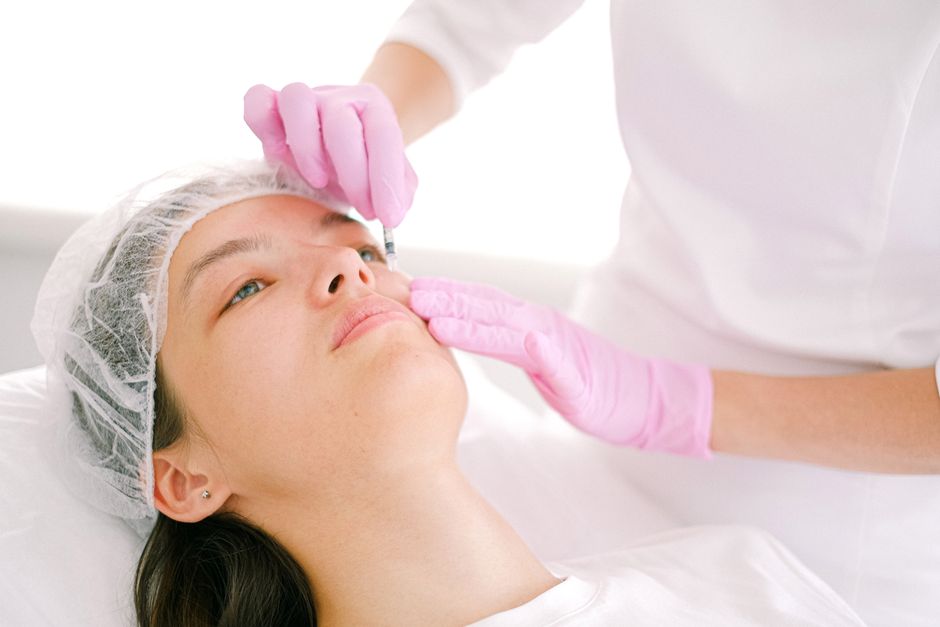
Skin booster injections are a type of cosmetic procedure where a doctor injects a solution directly into the middle layer of your skin. The main ingredient is usually hyaluronic acid, a substance your body already makes naturally. Unlike dermal fillers, which add volume to specific lines or hollows, skin boosters are spread thinly across a larger area to improve overall skin quality. They work by attracting and holding water in the skin, which increases hydration, improves elasticity, and gives the skin a smoother, more radiant appearance.
What Is A Skin Booster Injection And How Does It Work?
Skin boosters are injectable treatments designed to improve the overall quality of your skin rather than correct a specific wrinkle or fold. The most common type uses hyaluronic acid, a gel-like substance that occurs naturally in your body. When injected into the dermis, the middle layer of your skin, it acts like a sponge, drawing water molecules to the area.
This increase in water content plumps the skin from within. It also stimulates your skin cells to produce more collagen and elastin, the proteins that keep skin firm and springy. Over time, this process improves skin texture, reduces fine lines, and gives the face a refreshed, dewy look. The effects are subtle and gradual, which is why many people prefer this approach over more dramatic procedures.
How Is A Skin Booster Different From A Dermal Filler?
Both treatments use similar ingredients, but they serve different purposes. Dermal fillers are thicker and are placed deeper into the skin. They are used to add volume to a specific spot, such as the cheeks or lips, or to fill in deep lines like nasolabial folds. The result is immediate and noticeable because the filler physically lifts the tissue.
Skin boosters are thinner and injected more superficially. They do not add volume in the traditional sense. Instead, they improve the skin’s hydration and overall health. The goal is a glow and better texture, not a change in facial shape. Some doctors use a combination of both treatments to address volume loss and skin quality at the same time.
What Does The Treatment Involve?
A typical session lasts about 30 to 45 minutes. The doctor first cleanses your skin and may apply a numbing cream to reduce discomfort. The product is then injected using a very fine needle or a cannula. The number of injections depends on the area being treated, but it is common to have multiple small injections spread across the face, neck, or hands.
Most people describe the sensation as a slight pinch or sting. The product itself often contains lidocaine, a local anesthetic, to make the procedure more comfortable. After the injections, the doctor may gently massage the area to ensure the product is evenly distributed. There is no significant downtime, and most people return to their normal activities the same day.





What Results Can You Expect And How Long Do They Last?
You may notice a slight improvement in hydration immediately, but the full effect develops over a few weeks. This is because the hyaluronic acid needs time to bind with water and stimulate collagen production. The skin often looks progressively better for up to a month after the final session.
Results are not permanent. Most studies and clinical experience suggest the effects last between 6 and 12 months. The exact duration depends on the specific product used, the area treated, and your own metabolism. Many doctors recommend an initial course of two to three sessions spaced about a month apart, followed by a single maintenance treatment every 6 to 12 months. This schedule is based on common clinical practice, not strict clinical trial data.
Who Is A Good Candidate For Skin Boosters?
Skin boosters are best suited for people who are bothered by dullness, fine lines, or rough skin texture but do not need significant volume replacement. They are popular among people in their 30s and 40s who want to maintain a youthful appearance before deeper wrinkles develop. They are also used on the neck, chest, and backs of the hands, areas where the skin tends to thin and lose elasticity.
You may not be a good candidate if you have an active skin infection, a bleeding disorder, or a known allergy to hyaluronic acid. Pregnant or breastfeeding women generally should avoid this treatment because no clinical guidelines confirm its safety in these populations. A consultation with a qualified medical professional is required to determine if the treatment is appropriate for you.
What Are The Risks And Side Effects?
Skin boosters are considered a low-risk procedure when performed by an experienced clinician. The most common side effects are temporary and include redness, swelling, bruising, and tenderness at the injection sites. These typically resolve within a few days. Some people develop small bumps under the skin, which usually flatten out on their own within a week or two.
Serious complications are rare but possible. They include infection, allergic reaction, and the accidental injection of the product into a blood vessel. If this happens in the face, it can cause skin death or, in very rare cases, vision problems. This is why it is critical to have the procedure done by a licensed doctor or nurse who knows facial anatomy well. Ask about their training and experience before you book an appointment.
How Much Does A Skin Booster Cost?
Costs vary widely depending on where you live, the clinic’s reputation, and how many areas you treat. A single session can range from several hundred to over a thousand dollars. Since multiple sessions are usually recommended, the total cost is often significant. Treating the face generally costs more than treating the hands or neck because more product is required.
Because this is a cosmetic procedure, health insurance does not cover it. You should ask the clinic for a full breakdown of costs before starting treatment, including the cost of each session and the amount of product used. Beware of clinics offering unusually low prices, as this may indicate diluted products or less experienced practitioners.
Are There Alternatives To Skin Boosters?
Several other treatments aim to improve skin quality without injections. Prescription topical retinoids are well studied and can improve fine lines and texture over time. Chemical peels and microdermabrasion remove the outer layer of dead skin cells to reveal fresher skin underneath. Microneedling uses tiny needles to create controlled micro-injuries that stimulate collagen production.
Laser and light therapies, such as IPL or fractional lasers, also target skin texture and tone. These options vary in cost, downtime, and effectiveness. Some people combine these treatments with skin boosters, but there is limited research on the benefits of combining them. Your doctor can help you weigh the options based on your skin type, concerns, and budget.
What Should You Ask Before Getting The Treatment?
Before committing to any cosmetic procedure, you should ask specific questions. Ask which exact product will be used and whether it is approved by the FDA for this purpose. Ask about the doctor’s experience with skin boosters specifically, as this technique differs from standard filler injections. Ask to see before-and-after photos of previous patients with a similar skin type to yours.
You should also ask about what happens if you are unhappy with the results. Hyaluronic acid can be dissolved with an enzyme called hyaluronidase, but this is an additional procedure with its own risks. A reputable clinic will discuss all of this openly. If a clinic pressures you to book immediately or refuses to answer questions, consider that a red flag.
Is The Treatment Painful?
Most people tolerate skin boosters well. A topical numbing cream is usually applied 20 to 30 minutes before the procedure. Many products also contain lidocaine, which takes effect within minutes of injection. The needles used are very fine, and the injections are quick.
Discomfort levels vary by person and by the area being treated. The face is generally less sensitive than the hands. Some people report a burning sensation for a few seconds after each injection. This passes quickly. If you have a low pain tolerance, tell your doctor in advance so they can take extra steps to keep you comfortable.
Frequently Asked Questions
How long does a skin booster last?
Results typically last between 6 and 12 months. Your metabolism, the product used, and the treatment area all affect how long the effects last.
Are skin boosters the same as Botox?
No. Botox is a muscle relaxant that smooths wrinkles by stopping muscle movement. Skin boosters hydrate the skin and improve texture but do not affect muscle activity.
Can skin boosters be used on the lips?
Skin boosters are sometimes used on the lip area to improve hydration and fine lines. They do not add volume like a lip filler would.
How many sessions will I need?
Most doctors recommend an initial course of two to three sessions spaced about one month apart. After that, a single maintenance session every 6 to 12 months is common practice.
