
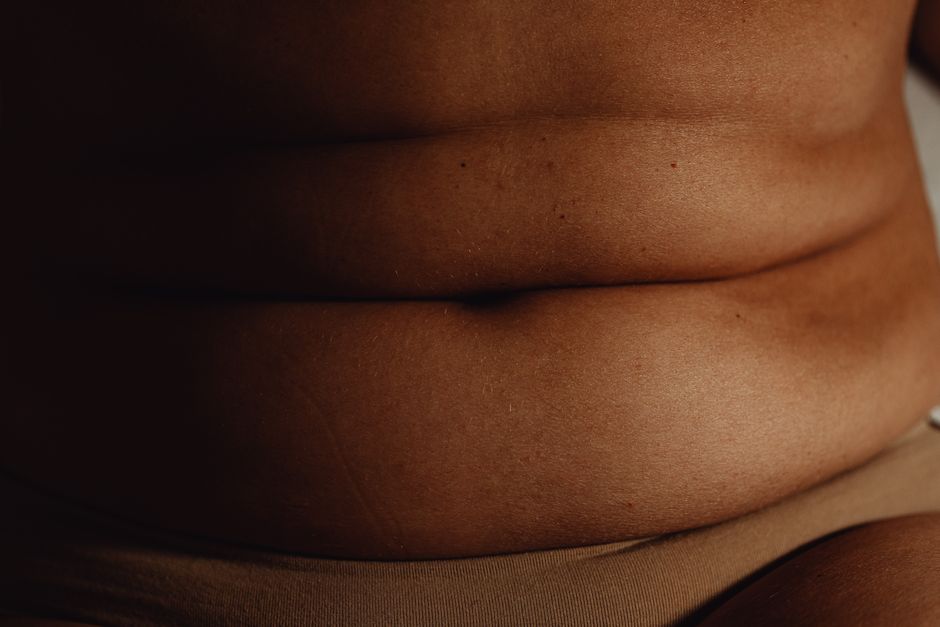
Your skin is your largest organ. It covers roughly 20 square feet in an average adult, accounts for about 15% of body weight, and is the main barrier between your body and the outside world. It works as a layered system — the epidermis, dermis, and hypodermis — and each layer has its own structure and job. Together they block water loss, keep microbes out, regulate temperature, and let you feel touch, heat, and pain.
How Does The Skin Work Layers Structure Function?
Skin works as a set of stacked layers, each built from different cells and materials, each doing a distinct job. The epidermis is the thin outer shield. The dermis is the thicker middle layer that holds blood vessels, nerves, glands, and collagen. The hypodermis is the fatty base underneath.
The layers depend on each other. The epidermis can only stay intact because the dermis supplies it with blood and nutrients. The dermis can only do its work because the hypodermis cushions it and insulates the body. Damage to any one layer affects the others, which is why a deep wound is a different medical problem than a surface scrape.
Skin also renews itself constantly. Cells in the deepest part of the epidermis divide and push older cells upward. By the time those cells reach the surface, they are flat, dry, and packed with a tough protein called keratin. They then flake off. The whole cycle — from new cell to shed cell — takes about a month in healthy adults, though it slows with age.
What Is the Epidermis and What Does It Do?
The epidermis is the outermost layer, and it is thinner than most people picture — often compared to the thickness of a sheet of paper on much of the body, though it is much thicker on the palms and soles. It has no blood vessels of its own. It gets oxygen and nutrients by diffusion from the dermis below.
Most of the epidermis is made of cells called keratinocytes. As they mature and move upward, they produce keratin, a fibrous protein that makes skin tough and water-resistant. The outermost part of the epidermis, the stratum corneum, is a brick-like arrangement of these dead keratin-filled cells embedded in a mixture of lipids — fats — that seals the gaps between them. This lipid seal is what makes skin nearly waterproof.
The epidermis also holds melanocytes, the cells that make the pigment melanin. Melanin gives skin its color and provides some protection against ultraviolet radiation from the sun. It is not a substitute for sunscreen — it reduces damage but does not eliminate it — yet it does explain why skin darkens after sun exposure.
One thing people often get wrong: the epidermis is not sterile or inert. It hosts a large community of bacteria, fungi, and other microbes, collectively called the skin microbiome. These organisms live on the surface and in the follicles. They are generally harmless or helpful, and they compete with harmful microbes for space. Disrupting them with harsh cleansers can, in some cases, make skin problems worse rather than better.
What Is the Dermis and Why Does It Matter?
The dermis is the thick middle layer and the workhorse of the skin. It is where most of the skin’s activity happens. It contains blood vessels, nerve endings, hair follicles, sweat glands, oil glands, and a structural scaffold of collagen and elastin fibers.
Collagen gives skin its strength and resistance to tearing. Elastin lets it stretch and snap back. Both decline with age and with sun exposure, which is a major reason skin sags and wrinkles over time. The loss is gradual and largely driven by cumulative UV damage — more on that below.
The dermis is also where sensation begins. It holds specialized nerve endings for touch, pressure, vibration, and temperature. Some of these are wrapped around hair follicles, which is why hair can act as a touch sensor. Others sit freely in the tissue and respond to pain and heat. When you touch something hot, the signal starts in the dermis and travels to the brain in milliseconds.
Blood vessels in the dermis do two jobs. They feed the skin. And they help control body temperature. When you are hot, these vessels widen to release heat; when you are cold, they narrow to conserve it. Sweat glands in the dermis and its upper border also release sweat onto the surface, where it evaporates and cools you.




What Does the Hypodermis Do?
The hypodermis — also called the subcutaneous layer — is the deepest layer. It is mostly fat and connective tissue, and it anchors the skin to the muscles and bones underneath.
Its main jobs are cushioning, insulation, and energy storage. The fat here absorbs shock from impacts and helps hold body heat in. It also stores energy the body can draw on later. The thickness of this layer varies widely from person to person and from one body area to another.
The hypodermis is where larger blood vessels and nerves pass through on their way to the dermis. It is also the layer that matters most for certain medical procedures. Injections given “subcutaneously” — into the fatty tissue — are placed here because the layer has a good blood supply and absorbs medications at a steady rate.
How Does Skin Protect the Body?
The skin is a barrier in several senses at once. Physically, the stratum corneum blocks most microbes, chemicals, and physical irritants. Chemically, the surface is slightly acidic — often called the acid mantle — which discourages the growth of many harmful organisms. Biologically, immune cells stationed in the skin detect and respond to invaders that get past the surface.
The barrier also keeps water in. This is easy to take for granted until it fails. In conditions like eczema or after a burn, the lipid seal is disrupted, and water escapes through the skin faster than normal. That is why damaged skin feels dry and why barrier repair is a central goal in treating many skin conditions.
Skin also protects against ultraviolet radiation, partly through melanin and partly through a thickening response — the epidermis gets thicker with repeated sun exposure. That thickening is a sign of damage, not a sign of health. It is the skin trying to defend itself.
How Does Skin Regulate Temperature and Sensation?
Temperature control is one of the skin’s most important jobs, and it relies on the dermis and its glands working together. When the body overheats, blood vessels in the dermis widen and sweat glands release fluid onto the surface. Evaporation of that sweat carries heat away. When the body is cold, the vessels narrow, reducing heat loss from the skin’s surface.
Sensation works through a network of nerve endings in the dermis. Different endings respond to different stimuli — light touch, deep pressure, vibration, cold, heat, and pain. The brain combines these signals into what you experience as a single sensation. This is why you can tell the difference between a soft brush and a rough surface without thinking about it.
Itch is its own separate pathway, distinct from pain, though the two overlap. Some itch signals come from the skin itself, triggered by irritants or immune cells. Others come from the nervous system. This distinction matters clinically, because treatments that help one type of itch may not help another.
What Happens to Skin as We Age?
Skin changes with age in predictable ways. The epidermis thins. Cell turnover slows, so the surface looks duller and heals more slowly. Collagen and elastin production declines, which reduces firmness and elasticity. Oil glands produce less oil, so skin becomes drier. The hypodermis loses fat in some areas, which can make skin look less full.
Sun exposure accelerates most of these changes. Research consistently shows that ultraviolet radiation breaks down collagen and damages DNA in skin cells. This is why dermatologists often describe sun damage as the single largest driver of visible skin aging — larger than genetics for many people, though both matter.
Some changes are more than cosmetic. Older skin is more fragile and bruises more easily. Wound healing takes longer. The risk of skin cancer rises with cumulative sun exposure over a lifetime. These are reasons to protect skin from the sun consistently, not just in summer.
Why the Skin Barrier Matters More Than Most People Realize
Much of what goes wrong with skin comes down to a damaged barrier. When the lipid seal in the stratum corneum is disrupted — by harsh soaps, over-washing, dry air, or certain skin conditions — water escapes and irritants get in. That can trigger redness, itching, and inflammation.
This is why many dermatologists emphasize gentle cleansing and moisturizing rather than aggressive exfoliation. Moisturizers work in part by restoring the lipid barrier and reducing water loss, not by “feeding” the skin. The evidence for basic barrier repair is strong. The evidence for many expensive specialty products is much weaker, and some contain ingredients whose claimed benefits have not been confirmed in large human trials.
It is also why the skin is not just a passive covering. It is an active organ that responds to what you put on it, what you eat, how much you sleep, and how much sun you get. Treating it as a system — rather than a surface to scrub — is a more accurate way to think about skin health.
Frequently Asked Questions
How many layers does the skin have?
Skin has three main layers: the epidermis, the dermis, and the hypodermis. Each has a different structure and set of functions.
Which layer of skin does the most work?
The dermis does most of the skin’s active work, including sensation, temperature control, and structural support. The epidermis provides the main barrier, and the hypodermis cushions and insulates.
Does skin renew itself completely?
The epidermis renews itself continuously, with new cells replacing old ones over roughly a month in healthy adults. The dermis and hypodermis do not fully regenerate the way the epidermis does, which is why deep scars can be permanent.
Can you live without skin?
No. The skin is essential for survival because it prevents water loss, blocks infection, and regulates temperature. People with extensive skin loss, such as major burns, require intensive medical care because these functions fail.
