
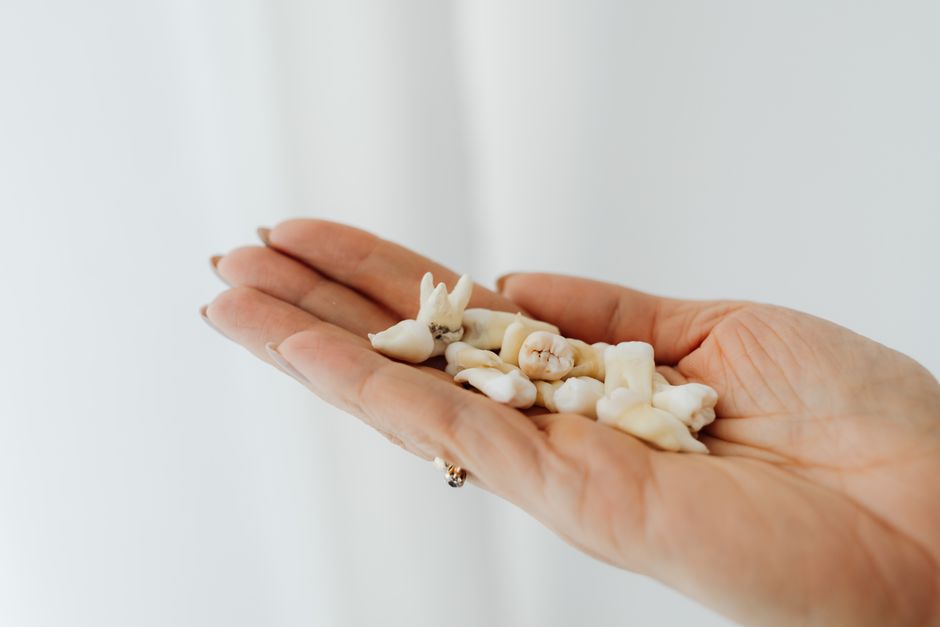
A simple tooth extraction is a routine dental procedure where a tooth that is visible in the mouth is removed. Recovery from this procedure typically takes about one to two weeks, with the most noticeable healing happening in the first three days. The process involves forming a blood clot in the socket, followed by tissue and bone healing over several months.
What Exactly Happens During a Simple Tooth Extraction?
A simple tooth extraction is different from a surgical extraction. In a simple extraction, the tooth is fully visible above the gum line. Your dentist will numb the area with a local anesthetic. You will feel pressure but no pain during the procedure.
Using specialized instruments called elevators and forceps, the dentist loosens the tooth and removes it from the socket. The entire process usually takes less than 30 minutes for a single tooth. The American Dental Association notes that simple extractions are among the most common dental procedures performed in the United States.
After removal, the dentist places sterile gauze over the socket and asks you to bite down. This pressure helps stop bleeding and allows a blood clot to form. That clot is the foundation of everything that follows in your recovery.
What Is a Simple Tooth Extraction Procedure Recovery Timeline?
Recovery from a simple tooth extraction follows a fairly predictable timeline. The first 24 hours are the most critical. A blood clot must form and stay in place. If this clot dislodges, you can develop a painful condition called dry socket.
Days two through three involve swelling and some discomfort. Most people manage this with over-the-counter pain relievers like ibuprofen. A 2018 study in the Journal of Oral and Maxillofacial Surgery found that ibuprofen alone is often as effective as prescription opioids for post-extraction pain.
By day seven, the gum tissue has mostly closed over the socket. The underlying bone will take three to six months to fully remodel. The socket may feel like a small hole for several weeks, but it gradually fills in with new bone tissue. Complete healing of the bone is a slow process that most people do not notice.
How Should You Care for the Extraction Site at Home?
Your dentist will give you specific aftercare instructions. Following them closely reduces your risk of complications. The most important rule is to leave the extraction site alone for the first 24 hours. Do not rinse, spit, or use a straw.
After 24 hours, you can gently rinse your mouth with warm salt water. Mix half a teaspoon of salt in a cup of warm water. Swish gently and let the water fall out of your mouth. Do not spit forcefully.
What to do for the first week:
- Take pain medication as directed, preferably before the numbness wears off
- Apply an ice pack to the outside of your face for 15 minutes on, 15 minutes off
- Eat soft foods like yogurt, applesauce, and mashed potatoes
- Sleep with your head elevated on two pillows to reduce swelling
- Avoid smoking and alcohol for at least 48 hours
- Brush and floss your other teeth normally but avoid the extraction site
Most people return to normal activities the next day. If your job involves heavy lifting or strenuous activity, wait two to three days. The CDC reports that smoking significantly increases the risk of dry socket and delayed healing.





What Are the Signs of Complications After a Simple Tooth Extraction?
Most simple extractions heal without problems. But complications do happen. Being able to recognize them early can prevent more serious issues.
Dry socket is the most common complication. It occurs when the blood clot dislodges or dissolves too early. Symptoms include severe pain that starts two to four days after the extraction. The pain may radiate to your ear or eye. You may also notice a bad taste in your mouth or visible bone in the socket. Research published in the Journal of the American Dental Association found that dry socket occurs in about 1 to 5 percent of simple extractions. Smokers have a significantly higher risk.
Infection is less common but possible. Signs include fever, worsening pain after the third day, pus draining from the site, and swelling that does not improve. If you have diabetes or a weakened immune system, your risk of infection is higher.
Prolonged bleeding can happen if you are on blood thinners or have certain medical conditions. Bleeding that continues beyond four hours after the procedure requires a call to your dentist.
Call your dentist immediately if you have trouble breathing or swallowing, or if you notice swelling spreading to your neck or eye. These are rare but serious signs of a spreading infection.
How Does Recovery Compare Between Simple and Surgical Extractions?
Many people confuse simple extractions with surgical ones. The recovery experience is quite different. The table below shows the key differences.
| Factor | Simple Extraction | Surgical Extraction |
|---|---|---|
| Procedure time | 15-30 minutes | 30-60 minutes |
| Anesthesia | Local only | Local or IV sedation |
| Stitches needed | Rarely | Often |
| Pain level (first 48 hours) | Mild to moderate | Moderate to severe |
| Return to normal activities | 1-2 days | 3-7 days |
| Risk of dry socket | 1-5% | 5-15% |
| Full bone healing | 3-6 months | 6-12 months |
A surgical extraction involves cutting into the gum or removing bone. Simple extractions do not require these steps. If your dentist recommends a surgical extraction, the recovery will be longer and more involved. Always ask which type you are scheduled for.
What Foods Should You Eat and Avoid After a Simple Tooth Extraction?
What you eat directly affects your recovery. The wrong foods can dislodge the blood clot or cause pain. The right foods support healing and keep you comfortable.
Foods to eat during the first three days:
- Cold foods like ice cream, smoothies, and chilled yogurt
- Soft foods like scrambled eggs, oatmeal, and mashed bananas
- Lukewarm soups and broths
- Protein shakes and meal replacement drinks
- Blended vegetables and fruit purees
Foods to avoid for at least one week:
- Crunchy foods like chips, nuts, and raw vegetables
- Sticky foods like caramel and gum
- Spicy foods that can irritate the site
- Hot foods and drinks that can dissolve the clot
- Anything with small seeds that can get stuck in the socket
- Alcohol and carbonated beverages
After day three, you can gradually add more solid foods. Chew on the opposite side of your mouth. If a food causes pain, stop eating it and try again in a few days. Most people are back to a normal diet by day seven to ten.
Common Misconceptions About Tooth Extraction Recovery
Misinformation about tooth extraction recovery is widespread online. Some of it comes from well-meaning advice that is simply wrong. Other claims are pushed by companies selling unnecessary products.
Myth: You should rinse your mouth vigorously to keep the site clean. This is exactly wrong. Vigorous rinsing can dislodge the blood clot and cause dry socket. Gentle salt water rinses after 24 hours are sufficient. Do not use mouthwash that contains alcohol for the first week.
Myth: Pain that gets worse after three days is normal. It is not. Pain should peak in the first 24 to 48 hours and then steadily decrease. Increasing pain after day three is a red flag for dry socket or infection. Call your dentist.
Myth: You need prescription painkillers for every extraction. Many people do fine with over-the-counter ibuprofen or acetaminophen. A 2020 review in the Cochrane Database of Systematic Reviews found that nonsteroidal anti-inflammatory drugs like ibuprofen are as effective as opioids for dental pain in most cases. Prescription opioids come with risks of dependence and side effects.
Myth: The hole in your gum needs to be packed with anything. No. The body heals the socket on its own. Do not put any paste, powder, or herbal remedy into the socket unless your dentist specifically instructs you to. Some online sources recommend clove oil or tea tree oil for pain. There is no clinical evidence supporting their use for extraction recovery, and they can cause irritation or allergic reactions.
Frequently Asked Questions
How long does it take to recover from a simple tooth extraction?
Most people feel back to normal within one to two weeks. The gum tissue closes in about seven days, but the bone underneath takes three to six months to fully heal.
Can I eat normally after a tooth extraction?
Stick to soft foods for the first three days. You can gradually return to a normal diet after day seven, but chew on the opposite side of your mouth.
What does dry socket feel like and how do I prevent it?
Dry socket causes severe pain that starts two to four days after extraction and may radiate to your ear. Prevent it by not using straws, not smoking, and not spitting forcefully for the first week.
When can I brush my teeth after a simple extraction?
You can brush your other teeth the same day, but avoid the extraction site for three days. After that, brush gently around the area with a soft toothbrush.
Is bleeding normal after a simple tooth extraction?
Some oozing for the first few hours is normal. Bite on gauze for 30 to 45 minutes. If bleeding continues beyond four hours, contact your dentist.
