
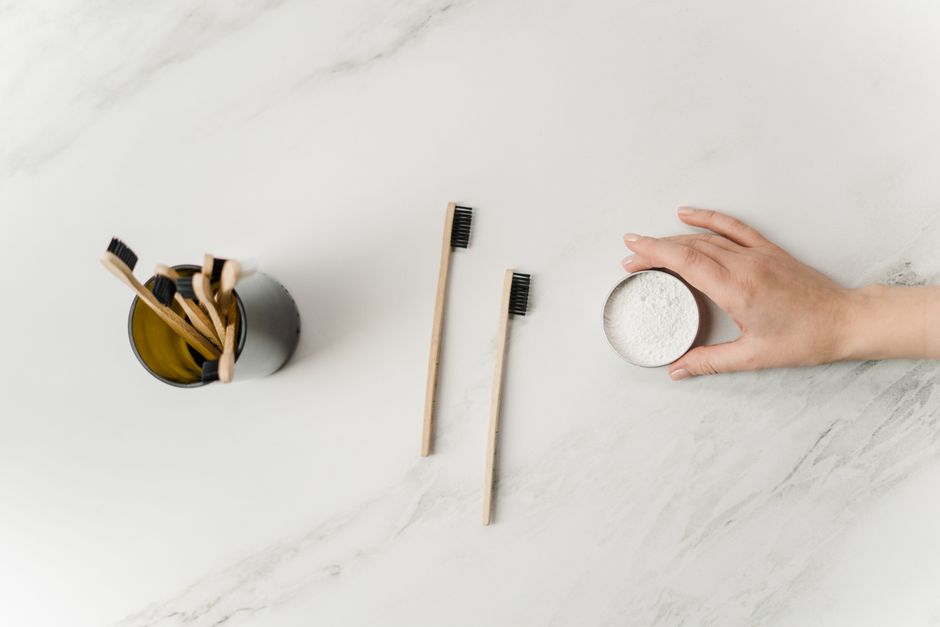
Tooth powder is a simple alternative to toothpaste that you apply with a wet toothbrush. You dip the bristles into the powder, brush your teeth for two minutes, and rinse thoroughly. The key difference from toothpaste is that tooth powder contains no water, so it is often more abrasive and requires careful technique to avoid damaging enamel over time.
How To Use Tooth Powder Steps Safety More
Using tooth powder takes a slightly different approach than squeezing paste from a tube. The process is straightforward, but the details matter for your dental health.
Start with a soft-bristled toothbrush. Wet the bristles under the tap. Shake off the excess water — you want the brush damp, not dripping. A wet brush helps the powder stick to the bristles instead of falling back into the container.
Dip the damp brush into the powder. Gently tap the brush against the edge of the jar to remove loose powder. You only need a small amount — roughly the size of a pea. Too much powder creates excess foam and makes it harder to see what you are doing.
Brush using the same technique you would with toothpaste. Angle the bristles at 45 degrees toward the gumline. Use short, gentle, circular motions. Spend about 30 seconds on each quadrant of your mouth, for a total of two minutes. Do not press hard. The abrasiveness of the powder does the cleaning work — pressure is not needed.
Rinse your mouth thoroughly with water after brushing. Spit, then rinse again. Some powders leave a chalky residue, so a second rinse helps clear it. Rinse your toothbrush well too. Powder can cling to the bristles and dry there.
Store the powder in a dry place. Moisture causes clumping and can promote bacterial growth in the container. Use a clean, dry spoon to scoop powder if you prefer not to dip your brush directly into the jar. Dipping a wet brush into a shared container can introduce bacteria and moisture over time.
What Is Tooth Powder Made Of?
Most commercial tooth powders contain a mild abrasive, a flavoring agent, and sometimes active ingredients for cavity protection or sensitivity. The abrasive is usually calcium carbonate (chalk), silica, or baking soda. These particles physically scrub plaque and surface stains from the teeth.
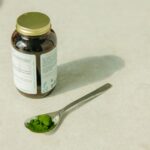
Some powders include activated charcoal. Charcoal is marketed for whitening, but the evidence for its effectiveness is limited. The dark powder can also be messy and may stain dental restorations like crowns and veneers. Some research suggests charcoal powders are more abrasive than standard toothpaste, which raises concerns about enamel wear over time.
Baking soda is a common ingredient in both commercial powders and DIY recipes. Baking soda has mild abrasive properties and some research indicates it can help remove surface stains. It also creates an alkaline environment in the mouth, which some studies suggest may reduce bacteria. However, baking soda alone does not contain fluoride, which is the most proven ingredient for preventing cavities.
Many tooth powders do not contain fluoride. This is a critical difference from most commercial toothpastes. Fluoride strengthens enamel and helps reverse early tooth decay. If you choose a fluoride-free tooth powder, you lose this protective benefit. Some powders contain hydroxyapatite, an alternative ingredient that some studies suggest may also help remineralize enamel, but fluoride remains the most extensively studied option.
Is Tooth Powder Safe for Daily Use?
For most people, tooth powder is safe when used correctly. The main concern is abrasiveness. Tooth powder is generally more abrasive than toothpaste because it lacks the water and humectants that soften the texture. Over time, excessive abrasion can wear down enamel, leading to tooth sensitivity and increased cavity risk.
The Relative Dentin Abrasivity (RDA) scale measures how abrasive a toothpaste or powder is. Lower numbers are gentler. Standard toothpastes typically range from 70 to 100 on this scale. Some tooth powders, especially those with charcoal or coarse silica, can score much higher. You generally cannot find the RDA value on a tooth powder label, which makes it hard to compare products.
People with receding gums should be especially cautious. When gums recede, the root surface of the tooth becomes exposed. Root surfaces are softer than enamel and wear down more easily with abrasive products. If you have gum recession, a gentle toothpaste may be a safer choice than tooth powder.
Children should not use tooth powder unless a dentist recommends it. Young children may swallow the powder, and the higher abrasiveness is unnecessary for baby teeth. Swallowing large amounts of baking soda or other ingredients could cause stomach upset.



Does Tooth Powder Whiten Teeth?
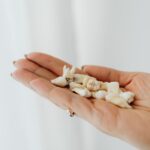
Tooth powder can remove surface stains, which may make teeth appear whiter. The abrasive particles physically scrub away stains from coffee, tea, and tobacco. This is the same mechanism that whitening toothpastes use, though powders are often more abrasive.
The results are limited to surface stains. Tooth powder cannot change the natural color of your teeth. It will not lighten teeth that are yellow due to deeper dentin showing through thin enamel. It also cannot fix intrinsic stains from medications, trauma, or fluorosis.
Whitening results vary by person and depend on the cause of the discoloration. Some people see noticeable improvement in a few weeks. Others see little change. If your teeth are stained from foods and drinks, tooth powder may help. If they are naturally darker or stained from other causes, expect less effect.
Be cautious about aggressive whitening claims. No tooth powder can bleach teeth the way professional whitening treatments do. Products that promise dramatic whitening in days are overstating what abrasion alone can achieve.
What About DIY Tooth Powder Recipes?
Homemade tooth powder recipes are popular online. Most combine baking soda, coconut oil, and sometimes essential oils like peppermint or tea tree oil. Some recipes add activated charcoal or diatomaceous earth.
DIY powders are not tested for abrasiveness. A homemade mix could be much more abrasive than commercial products. Baking soda alone has an RDA of about 7, which is quite gentle. But adding coarse ingredients like charcoal or diatomaceous earth can increase abrasiveness significantly.
Essential oils in DIY recipes require caution. Peppermint oil is generally safe in small amounts for flavor. Tea tree oil should not be swallowed. If you make your own powder, use food-grade ingredients and keep amounts small. No clinical guidelines exist for DIY tooth powder formulations.
There is no evidence that homemade powders are more effective than commercial toothpaste. If you prefer a DIY approach, the safest option is a simple baking soda and water paste used occasionally, not daily. For daily use, a fluoride toothpaste remains the most evidence-based choice for cavity prevention.
How Does Tooth Powder Compare to Toothpaste?
Toothpaste and tooth powder both clean teeth through mild abrasion and detergent action. The main differences are texture, fluoride content, and convenience.
Toothpaste contains water, humectants to keep it moist, and binders to maintain its gel or paste consistency. Tooth powder is dry. This means powder has a longer shelf life and does not require preservatives. It also means powder is more abrasive because there is no liquid to buffer the particles.
Fluoride is the biggest practical difference. Most commercial toothpastes contain fluoride at concentrations proven to prevent cavities. Many tooth powders do not. If you use a fluoride-free powder, you lose this benefit. Some people use tooth powder in the morning and fluoride toothpaste at night to get both benefits, though no research specifically evaluates this routine.
Tooth powder can be more economical per use because a small dip goes a long way. It also produces less waste in packaging. But the practical differences are minor for most people. The best choice depends on your priorities: cavity prevention favors fluoride toothpaste, while simplicity and minimal ingredients favor powder.
Signs You Should Stop Using Tooth Powder
Pay attention to how your teeth and gums respond. If you notice increased sensitivity to hot or cold foods, this could indicate enamel wear. Stop using the powder and switch to a gentle fluoride toothpaste.
Gum irritation is another warning sign. If your gums become red, sore, or bleed more than usual, the powder may be too abrasive or you may be brushing too hard. Give your gums a break for a few days and reassess your technique.
Tooth powder is not a replacement for professional dental care. Regular dental checkups remain important regardless of which product you use. Your dentist can spot early signs of enamel wear or gum problems that you cannot see or feel.
If you have restorations like crowns, veneers, or bonding, ask your dentist before using tooth powder. Abrasive products can dull the surface of these materials over time. They may also create rough spots where plaque accumulates.
Frequently Asked Questions
Can I use tooth powder every day?
Yes, most adults can use tooth powder daily if they brush gently with a soft brush. Monitor for sensitivity or gum irritation, which are signs the powder may be too abrasive for your teeth.
Does tooth powder contain fluoride?
Most tooth powders do not contain fluoride, though some commercial brands add it. Check the ingredient list for sodium fluoride or stannous fluoride if cavity prevention is your priority.
Is charcoal tooth powder safe for enamel?
Charcoal tooth powder is more abrasive than standard toothpaste and may wear down enamel with daily use. The evidence for its whitening benefit is limited, so it is not the safest choice for routine brushing.
Can children use tooth powder?
Children should not use tooth powder unless a dentist specifically recommends it. Young children may swallow the powder, and the higher abrasiveness is unnecessary for developing teeth.
