
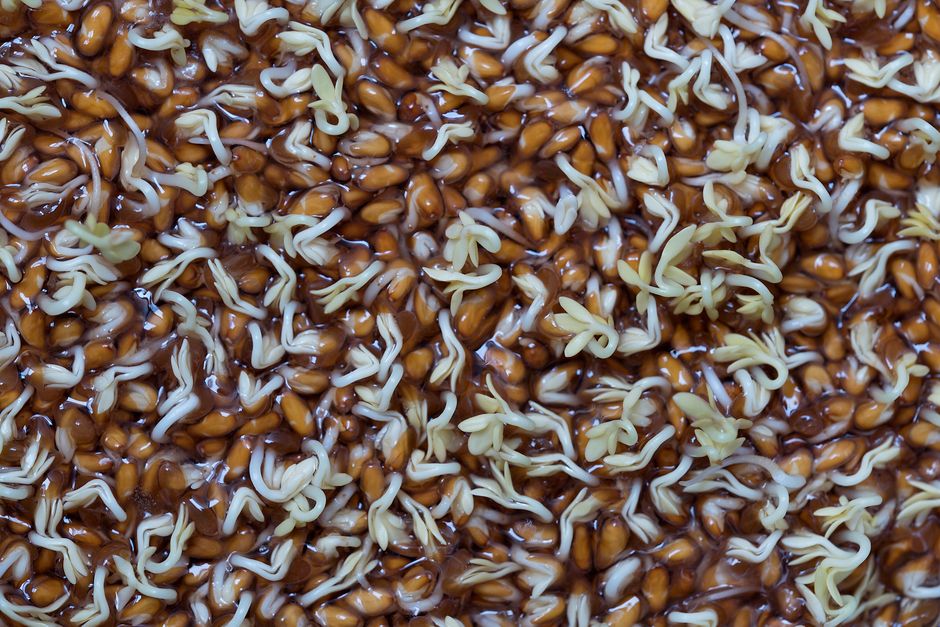
A seed looks quiet and lifeless. Inside it, though, is a tiny plant waiting for the right conditions. That tiny plant is the embryo, and germination is the process that turns it into a growing seedling.
The embryo is the part of the seed that will become the new plant. It has a root tip and a shoot tip, plus stored food to fuel early growth. Germination begins when the seed takes in water, the embryo’s cells restart their activity, and the young root pushes out first, followed by the shoot.
What Is A Seed’s Embryo?
The embryo is a miniature plant in suspended animation. It contains the basic parts of the future plant in an undeveloped form: a root tip called the radicle, a shoot tip called the plumule, and one or two seed leaves called cotyledons.
In flowering plants, seeds fall into two broad groups. Monocots, like grasses and corn, have one cotyledon. Dicots, like beans and sunflowers, have two. The embryo sits inside the seed coat, a protective outer layer that keeps it from drying out and shields it from damage.
The embryo is not alone in there. It is packed with stored food, usually in the cotyledons or in a tissue called the endosperm. This food is mostly starch, plus some protein and oils. The embryo cannot make its own food yet, so it draws on this reserve until it grows leaves and can photosynthesize.
One detail worth knowing: a seed is not the same as a spore. A seed contains a full embryo with stored food and a protective coat. A spore is a single cell or small cluster with far less built-in support. That difference is a big reason seeds can survive long periods in harsh conditions.
What Happens Inside A Seed During Germination?
Germination is a chain of events that starts the moment a dry seed takes in water. The seed coat softens and swells. Water moves into the cells, and the embryo’s metabolism switches back on.
The first visible sign is the radicle breaking through the seed coat. The root anchors the seedling and starts taking up water and minerals. Next, the shoot pushes upward. Depending on the plant, the cotyledons may rise above the soil or stay below it.
The stored food gets broken down into simple sugars the embryo can use. Enzymes do this work, and they only become active once the seed has absorbed enough water. Until the seedling has green leaves and can make its own food through photosynthesis, it lives entirely on that reserve.
This is why a seed can germinate in the dark for a short time. It does not need light to start. It needs water, warmth, and oxygen. Light matters later, once the shoot reaches the surface and the first true leaves open.
What Conditions Does A Seed Need To Germinate?
Three things are required for germination in most seeds: water, oxygen, and a suitable temperature. Light is a fourth factor for some species, but not all.
Water is the trigger. It rehydrates the cells and lets enzymes start working. Oxygen is needed for respiration, the process that releases energy from the stored food. Without oxygen, the embryo cannot generate the energy it needs to grow.
Temperature matters because enzymes work best within a certain range. Each species has its own preferred range. Cool-season crops germinate at lower temperatures than warm-season crops. Too cold slows the process; too hot can damage the embryo.
Light is more specific. Some seeds need light to germinate and are called light-requiring. Others germinate only in darkness. Many are indifferent. This is one reason seeds should be planted at the depth recommended on the packet. Planting too deep can bury a light-requiring seed, while planting too shallow can leave it dry.





What Is Seed Dormancy?
Dormancy is a built-in pause. Even when conditions seem right, some seeds will not germinate until a specific signal tells them the time is safe. This protects the plant from sprouting during a brief warm spell in winter or before the right season arrives.
There are several kinds of dormancy. A hard seed coat can physically block water from entering until it is worn down, cracked, or softened. Some seeds need a period of cold, called stratification, before they will germinate. Others need light, or need to pass through an animal’s digestive tract, or need to be exposed to fire.
This is why some seeds can sit in soil for years and then sprout all at once. The trigger is not just water and warmth. It is the specific condition the species evolved to wait for.
For gardeners, dormancy explains a common frustration. A seed that refuses to sprout may not be dead. It may simply be waiting for a signal that has not arrived yet.
How Do You Know A Seed Is Still Alive?
A seed can look perfectly fine and still be dead. It can also look dull and dry and still be viable. Appearance is not a reliable test on its own.
The most common test is the float test, though its accuracy is limited. Seeds that float are often empty or damaged, while seeds that sink are more likely to be viable. This is a rough guide, not a guarantee. Some viable seeds float, and some dead seeds sink.
A more reliable method is the germination test. Place a sample of seeds on a damp paper towel, keep it moist, and hold it at a suitable temperature. Count how many sprout over a set period. This gives you a reasonable estimate of the percentage likely to germinate.
Storage conditions matter a great deal. Seeds kept cool and dry stay viable longer than seeds kept warm and damp. Heat and moisture speed up the breakdown of stored food and can let mold or insects damage the seed.
How Long Does Germination Take?
Germination time varies widely by species. Some seeds sprout in a few days. Others take weeks or even months. The range is so broad that no single number applies across plants.
Fast germinators like many beans and radishes can show roots within a few days under good conditions. Slower seeds, including some trees and certain perennials, may take weeks. A few species take months and need a cold period first.
Temperature, moisture, oxygen, and the seed’s own dormancy all affect how long it takes. A seed that is viable but dormant may sit for a long time before anything happens. Patience is often part of the process, not a sign that something is wrong.
If seeds fail to germinate, the cause is usually one of a few things: too dry, too wet, too cold, too hot, planted too deep, or simply not viable. Checking each of these in turn usually narrows it down.
What Happens After Germination?
Once the seedling has roots and a shoot, it shifts from living on stored food to making its own. The first true leaves open and begin photosynthesis. At that point, the plant no longer depends on the seed’s reserve.
The cotyledons often shrivel and drop off once their job is done. The root system expands to take up more water and nutrients. The shoot grows toward light. From here, the plant follows its normal growth cycle.
The seed’s role is complete. It provided protection, food, and a trigger. Everything after that is the plant growing on its own.
Why Understanding Germination Matters
Germination is one of the most studied processes in plant biology. It matters for farming, gardening, food supply, and seed storage. Understanding it helps explain why some seeds sprout easily and others refuse, and why storage and planting conditions make such a difference.
The core points are simple. The embryo is the tiny plant inside the seed. It germinates when water, oxygen, and the right temperature come together, and sometimes when a specific signal like light or cold arrives. The root emerges first, the shoot follows, and the seedling lives on stored food until it can make its own.
Frequently Asked Questions
What is a seed’s embryo?
The embryo is the miniature plant inside a seed, with a root tip, a shoot tip, and one or two seed leaves. It is the part that grows into the new plant once germination begins.
How does a seed germinate?
Germination starts when the seed absorbs water, which restarts the embryo’s metabolism and lets enzymes break down stored food. The root pushes out first, then the shoot, and the seedling grows using the seed’s food reserve until it can photosynthesize.
Do all seeds need light to germinate?
No. Most seeds germinate without light and need only water, oxygen, and a suitable temperature. Some species do require light, while others germinate only in darkness, which is why planting depth matters.
How long can a seed stay dormant?
Dormancy length varies widely by species, from weeks to many years. Some seeds stay viable for a long time in the right storage conditions, while others lose viability quickly.
