
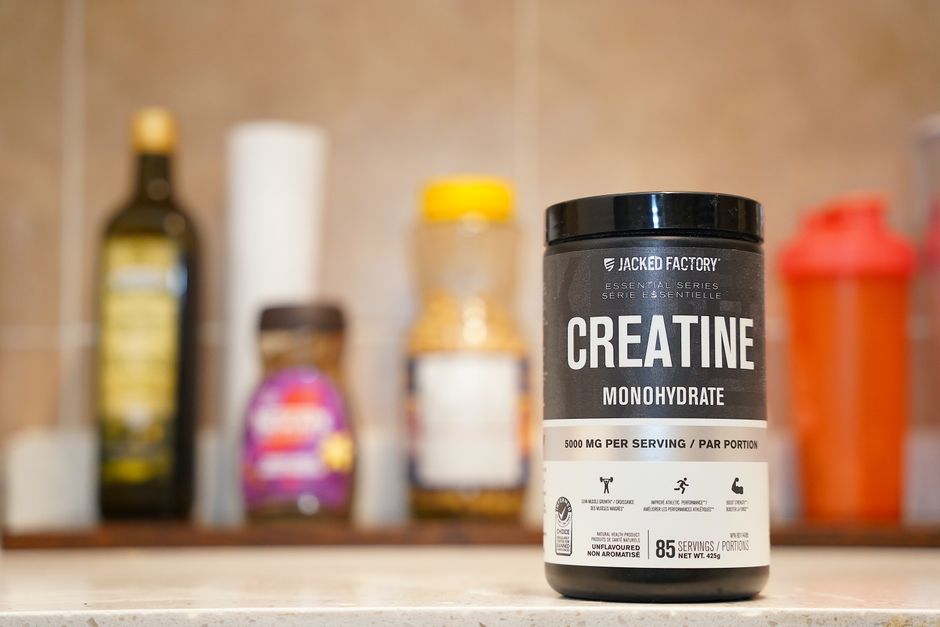
Creatine is one of the most studied supplements in sports nutrition, but a persistent worry among young athletes and their parents is whether it affects height. The short answer is no—creatine does not stunt height growth. No credible scientific evidence links creatine supplementation to reduced adult height. The concern likely comes from confusion about growth plates, hormones, and general supplement safety in teenagers.
Why Do People Think Creatine Stunts Growth?
The idea that creatine stunts height is not based on clinical evidence. It appears to come from a mix of old gym folklore and a misunderstanding of how growth actually works.
Some people confuse creatine with anabolic steroids. Steroids can close growth plates prematurely when used improperly. Creatine is not a hormone and does not act like one. It does not affect the endocrine system in a way that would alter bone maturation.
Another source of confusion is the age of users. Many teenagers who take creatine are in the middle of their natural growth spurt. If they stop growing around the same time they start supplementing, the supplement gets blamed. That is a coincidence, not a cause.
What Creatine Actually Does in the Body
Creatine is a compound made from three amino acids: arginine, glycine, and methionine. Your body produces it naturally in the liver, kidneys, and pancreas. You also get it from eating meat and fish.
About 95% of the body’s creatine is stored in skeletal muscle as phosphocreatine. This stored form helps regenerate ATP, the primary energy currency of cells. During short bursts of intense activity—like sprinting or lifting heavy weights—phosphocreatine provides rapid energy.
Supplementing with creatine increases muscle phosphocreatine stores by about 15-20%. This allows athletes to train harder and recover faster between sets. It does not alter hormones, bone density, or growth plate activity.
Creatine also draws water into muscle cells. This can cause slight water weight gain, which is sometimes mistaken for “bulking up.” It does not affect skeletal structure or height.
What Science Says About Creatine and Growth Plates
Growth in height happens at the epiphyseal plates, also called growth plates. These are areas of cartilage near the ends of long bones. They remain open during childhood and adolescence, allowing bones to lengthen.
Growth plates close when estrogen levels rise, which typically happens at the end of puberty. This process is controlled by hormones, not by supplements or exercise.
No study has shown that creatine accelerates growth plate closure. In fact, research on creatine use in adolescents has focused on safety and performance, not bone maturation. The studies that do exist have not reported any effect on height or growth.
One common concern is that creatine might cause dehydration or muscle cramping, which could limit training. But even if that happened, it would not affect height. Dehydration does not stunt growth. Chronic malnutrition can, but creatine does not cause malnutrition.





Is Creatine Safe for Teenagers?
This is a more complicated question than the height issue. The evidence on creatine safety in adolescents is limited but generally reassuring.
Most research on creatine has been done in adults. The studies involving teenagers are smaller and fewer. However, the available data does not show serious adverse effects when creatine is taken at recommended doses.
Some sports medicine organizations have stated that creatine appears safe for healthy adolescents when used appropriately. But “appropriate use” matters. That means following dosing guidelines and not exceeding recommended amounts.
There is no established daily dose of creatine specifically for teenagers. Most studies in adolescents have used the same dosing protocols as adults—typically 3-5 grams per day. But no official clinical guidelines exist for this population.
Parents and young athletes should also consider why they want to use creatine. For a teenager who is training seriously and eating well, creatine may offer modest performance benefits. For a casual gym-goer, the benefit is likely small.
What the Research Actually Shows
Let’s be clear about the strength of the evidence. There are no long-term studies tracking creatine use from adolescence into adulthood to measure final height. That type of study would take decades and is unlikely to be done.
What we do have is shorter-term safety data. Some studies suggest that creatine supplementation in adolescents does not cause negative health effects when used at recommended doses. These studies have looked at markers like kidney function, liver enzymes, and muscle enzymes. Height was not a measured outcome because there was no biological reason to suspect an effect.
The absence of evidence is not the same as proof of safety. But the biological mechanism does not support the idea that creatine affects height. Creatine does not interact with the hormones that control growth plate closure.
Some research suggests that creatine may actually have benefits for bone health. Creatine supplementation has been studied in older adults for its potential to improve bone density when combined with resistance training. This is because stronger muscles pull on bones, which signals the body to build more bone tissue. That is the opposite of stunting growth.
Other Factors That Actually Affect Height
If you are worried about height, creatine is not the variable to focus on. Genetics is the dominant factor. It determines roughly 60-80% of your adult height.
Nutrition plays the next biggest role. Chronic undernutrition during childhood and adolescence can prevent someone from reaching their genetic height potential. Adequate protein, calories, calcium, and vitamin D all matter for bone growth.
Sleep is also important. Growth hormone is released primarily during deep sleep. Consistently poor sleep during the growing years can interfere with this process.
Certain medical conditions can affect height, including growth hormone deficiency, thyroid disorders, and chronic illnesses. These require medical diagnosis and treatment.
Creatine does not appear on any list of factors that influence height. It does not provide the calories needed for growth, nor does it interfere with the hormonal signals that drive it.
How to Approach Creatine Use Responsibly
If a teenager is considering creatine, the conversation should start with a healthcare provider. This is especially true if the teenager has any pre-existing medical condition, particularly kidney disease or a family history of kidney problems.
Kidney function is the main safety concern with creatine. Creatine is processed by the kidneys, and high doses could theoretically strain them. For healthy individuals, standard doses appear safe. For those with kidney issues, creatine should be avoided unless a doctor says otherwise.
Quality matters. Creatine monohydrate is the most studied form and is generally the most affordable. It is also the form used in nearly all clinical research. Other forms, like creatine hydrochloride or buffered creatine, have not been shown to be more effective.
Dietary supplements are not regulated as strictly as medications. Third-party testing organizations like NSF International or Informed Sport verify that products contain what the label claims and do not contain banned substances. Choosing a product with one of these seals reduces risk.
What Coaches and Parents Should Know
Coaches sometimes recommend creatine to young athletes without fully understanding the evidence. This is not ideal. A coach is not a substitute for a medical professional.
Parents should ask questions before allowing a teenager to start any supplement. What is the goal? Is the teenager eating enough food already? Are they sleeping enough? These basics matter more than any supplement.
Creatine is not a substitute for proper training and nutrition. It is a minor performance aid, not a magic solution. If a teenager is not training consistently or eating well, creatine will not fix that.
It is also worth noting that creatine is not banned by most sports organizations. It is considered a legal dietary supplement in most countries. But that does not mean it is necessary or appropriate for every young athlete.
Frequently Asked Questions
Can creatine permanently damage growth plates?
No evidence shows creatine damages growth plates. Growth plate closure is controlled by hormones, and creatine does not interact with that process.
At what age is it safe to start taking creatine?
No official clinical guidelines exist for creatine use in minors. Most research has been done in adults, and the limited adolescent data shows no serious harm at recommended doses.
Does creatine affect puberty or hormone levels?
Research indicates creatine does not alter testosterone, estrogen, or other hormones involved in puberty. It works on cellular energy systems, not the endocrine system.
Will creatine make a teenager gain weight?
Creatine can cause water retention inside muscle cells, which may show up as a small weight gain on the scale. This is not fat gain and does not affect height.
