
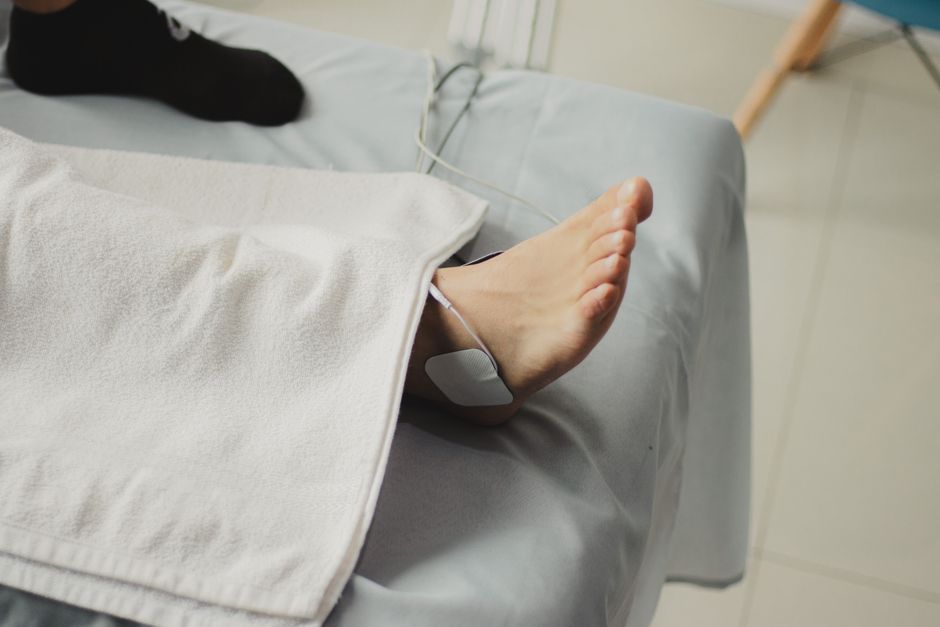
An EGD (esophagogastroduodenoscopy) is a procedure where a doctor uses a thin, flexible tube with a camera to look at your esophagus, stomach, and the first part of your small intestine. The prep is usually simple: you stop eating and drinking for about 8 hours beforehand. Recovery is fast for most people, with mild sore throat or bloating that fades within a day.
What Exactly Happens During an EGD?
You lie on your left side. You receive sedation through an IV, so you are relaxed and usually do not remember the procedure. The doctor guides the endoscope down your throat and into your digestive tract. The tube does not block your breathing.
The camera sends live images to a screen. The doctor looks for inflammation, ulcers, bleeding, tumors, or other problems. They can take small tissue samples, called biopsies, during the same procedure. Many people worry about biopsies, but they are quick and painless while you are sedated.
The whole procedure typically takes 10 to 20 minutes. You are monitored in a recovery area afterward until the sedation wears off. Most people go home the same day.
How Do You Prepare for an EGD?
The main preparation is an empty stomach. Your doctor will tell you to stop eating solid food for about 8 hours before the procedure. Clear liquids like water, black coffee, or apple juice are usually allowed up to 2 to 4 hours beforehand, but follow your specific instructions.
This matters for safety. If food remains in your stomach, it can come up into your lungs during sedation. That risk is serious, so the fasting rules are strict.
Tell your doctor about every medication you take. Blood thinners like warfarin, apixaban, or clopidogrel may need to be paused before the procedure. Diabetes medications and iron supplements also need special planning. Do not stop any prescription medication without speaking to your doctor first.
Arrange for someone to drive you home. The sedation impairs your judgment and reflexes for several hours. You cannot drive or operate machinery for the rest of the day, even if you feel fine.
What Does Recovery Feel Like?
When you wake up, you may feel drowsy or slightly confused. This is normal and fades over a few hours. Some people have a mild sore throat from the tube. Others feel bloated or gassy because air was used to inflate the stomach for better visibility.
These symptoms usually resolve within 24 hours. You can eat normally once your throat is no longer numb. Start with light foods if you are unsure, but there is no medical reason to restrict your diet after a routine EGD.
You may notice a small amount of blood in your saliva or stool if a biopsy was taken. A little is normal. Significant bleeding, severe abdominal pain, fever, or trouble swallowing are not normal. Contact your doctor immediately if any of these occur.



Why Would a Doctor Order an EGD?
Doctors order EGDs to investigate symptoms like persistent heartburn, difficulty swallowing, nausea, vomiting, or unexplained weight loss. It is also used to check for the cause of anemia or gastrointestinal bleeding. If you have chronic acid reflux, an EGD can check for damage to your esophagus.
The procedure can also treat certain conditions. Doctors can stop bleeding ulcers, remove polyps, or dilate a narrowed esophagus during an EGD. This means a single procedure can both diagnose and treat a problem.
In some cases, an EGD is used for screening. People with long-standing reflux or Barrett’s esophagus may need regular EGDs to monitor for precancerous changes. The frequency depends on your specific risk factors and what the doctor finds.
What Are the Risks of an EGD?
An EGD is a common and generally safe procedure. Serious complications are rare. The most significant risks include bleeding at a biopsy site, a tear in the digestive tract wall, and reactions to sedation.
A perforation, or tear, is the most serious complication. It requires emergency surgery. The risk is higher if the doctor needs to dilate a narrowed area or remove a large polyp. Overall, the risk of perforation is very low for routine diagnostic EGDs.
Sedation risks include breathing problems, low blood pressure, or allergic reactions. Your vital signs are monitored throughout the procedure to catch these early. Older adults and people with significant heart or lung disease have a slightly higher risk of sedation complications.
Infection is uncommon because the equipment is sterilized between uses. Your risk of complications depends on your overall health, the reason for the procedure, and whether any treatments are performed during the EGD.
How Long Until You Know the Results?
You will hear the visual findings from the doctor shortly after you wake up. They can tell you if they saw inflammation, ulcers, or other obvious problems right away. Biopsy results take longer.
Tissue samples must be processed and examined under a microscope, which takes several days. Your doctor’s office will contact you with the pathology report, usually within a week. If a biopsy was taken to check for H. pylori bacteria or celiac disease, those results may take a few extra days.
Do not expect a full diagnosis at the moment you wake up. The visual exam gives a partial picture. The biopsy is often the deciding factor in a final diagnosis.
Are There Alternatives to an EGD?
For some conditions, other tests can provide useful information. An upper GI series uses X-rays and a swallowed liquid called barium to outline the digestive tract. It is less invasive but cannot take biopsies or treat conditions.
Capsule endoscopy involves swallowing a small camera pill that takes pictures as it travels through your digestive system. It is useful for examining the small intestine, which a standard EGD cannot fully reach. However, it cannot take tissue samples or stop bleeding.
These alternatives are not replacements for an EGD when a biopsy is needed. If your doctor suspects Barrett’s esophagus, celiac disease, or a bleeding ulcer, an EGD is typically the preferred test. The right choice depends on your symptoms and what information your doctor needs.
What Is an EGD Procedure Prep and Recovery Timeline?
Here is a typical timeline so you know what to expect:
- 8 hours before: Stop eating solid food.
- 2 to 4 hours before: Stop all liquids unless told otherwise.
- Procedure day: Arrive with a driver, receive IV sedation, procedure takes 10 to 20 minutes.
- Recovery area: 1 to 2 hours of monitoring until sedation wears off.
- Same day: Rest at home, no driving or important decisions.
- Next day: Return to normal activities and diet.
This timeline is a general guide. Your doctor may adjust it based on your health, the medications you take, or the complexity of the procedure. Always follow the specific instructions you are given.
Frequently Asked Questions
Is an EGD painful?
No, you are sedated during the procedure and should not feel pain. Afterward, you may have a mild sore throat or bloating that fades within 24 hours.
How long does an EGD take?
The procedure itself takes about 10 to 20 minutes. Plan for 2 to 3 hours total, including check-in, preparation, and recovery.
Can I eat before an EGD?
No. You must stop eating solid food about 8 hours before the procedure. Clear liquids may be allowed up to 2 to 4 hours prior, but follow your doctor’s exact instructions.
When can I go back to work after an EGD?
Most people can return to work the next day. You should not drive or make important decisions for 24 hours after sedation.
