
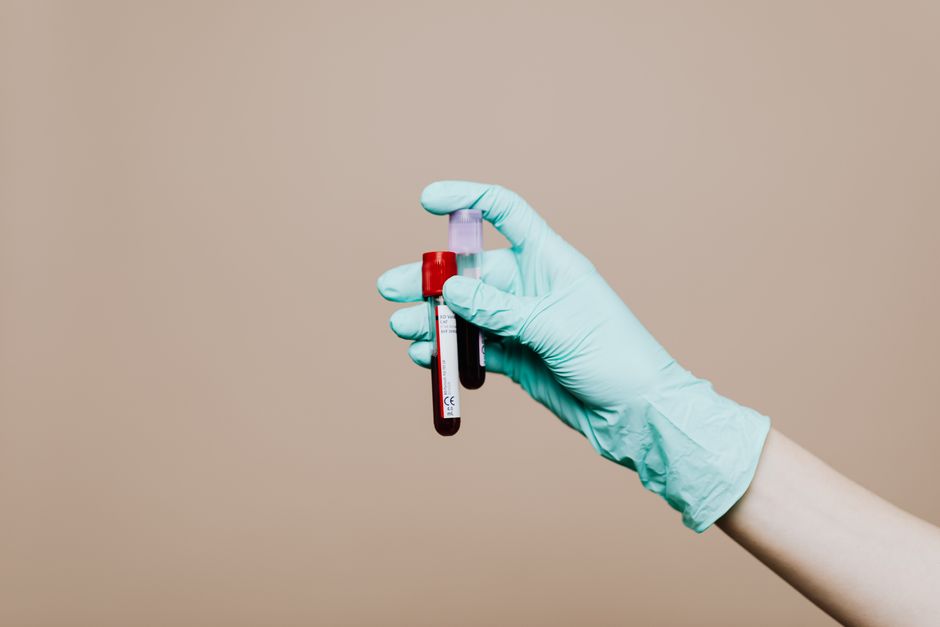
A blood test gives your doctor a direct look at what is happening inside your body right now. It measures substances in your blood — like glucose, cholesterol, hormones, and proteins — that reflect how your organs are working. No single blood test can tell you everything about your health, but the right panel of tests can reveal problems before you feel any symptoms.
That early warning is the real value. Many serious conditions, including diabetes, kidney disease, and high cholesterol, develop quietly for years. A blood test can catch them while they are still manageable.
What Does a Blood Test Actually Measure?
A blood test measures specific substances circulating in your bloodstream. Each substance tells your doctor something different about how your body is functioning.
A complete blood count, or CBC, measures your red blood cells, white blood cells, and platelets. Red blood cells carry oxygen. White blood cells fight infection. Platelets help your blood clot. When any of these numbers fall outside the normal range, it can point to anemia, infection, inflammation, or a problem with blood clotting.
A basic metabolic panel checks your blood sugar, electrolytes, and kidney function. It includes measurements like sodium, potassium, calcium, and creatinine. Your kidneys filter waste from your blood, and creatinine is one of the key waste products they remove. When creatinine rises, it can signal that your kidneys are not filtering as well as they should.
A lipid panel measures your cholesterol and triglycerides. This is one of the most common screening tests in the United States. It reports total cholesterol, LDL cholesterol, HDL cholesterol, and triglycerides. These numbers help estimate your risk for heart disease and stroke.
Other common tests measure thyroid hormones, liver enzymes, vitamin levels, and markers of inflammation. Which tests you get depends on your symptoms, your age, your risk factors, and what your doctor is looking for.
What Can a Blood Test Detect?
Blood tests can detect a wide range of conditions, often before symptoms appear. That is why they are a cornerstone of preventive medicine.
Here are some of the conditions blood tests commonly help identify:
- Diabetes and prediabetes — through fasting glucose or hemoglobin A1c
- High cholesterol — through a lipid panel
- Anemia — through a complete blood count and iron studies
- Kidney disease — through creatinine and blood urea nitrogen
- Liver disease — through liver enzyme tests like ALT and AST
- Thyroid disorders — through TSH and thyroid hormone levels
- Infections — through white blood cell counts and specific pathogen tests
- Vitamin deficiencies — such as low vitamin D or low vitamin B12
- Certain cancers — through specific tumor markers, though these are not reliable as general screening tools for most cancers
It is important to understand what blood tests cannot do. They cannot detect every disease. They cannot replace imaging tests like X-rays or MRIs. And they cannot tell you how you feel — only how your body is functioning at the chemical level.
A normal blood test does not guarantee you are healthy. It means the specific things that test measured are within normal limits. Conditions like early-stage cancer, autoimmune diseases, and some heart problems may not show up on routine blood work.
How Do Doctors Know What “Normal” Looks Like?
Every blood test result is compared against a reference range. A reference range is the span of values found in a large group of healthy people. For most tests, that range covers roughly 95 percent of the healthy population.
Reference ranges vary by laboratory. What is considered normal at one lab may differ slightly at another. They also vary by age, sex, and sometimes race. For example, normal hemoglobin levels are different for men and women because of differences in muscle mass and hormones.
Here are some well-established reference ranges:
| Test | Typical Reference Range |
|---|---|
| Fasting blood glucose | 70–99 mg/dL |
| Hemoglobin A1c | Below 5.7% |
| Total cholesterol | Below 200 mg/dL |
| LDL cholesterol | Below 100 mg/dL (optimal) |
| HDL cholesterol | 40 mg/dL or higher (men); 50 mg/dL or higher (women) |
| Triglycerides | Below 150 mg/dL |
| Hemoglobin (men) | 13.5–17.5 g/dL |
| Hemoglobin (women) | 12.0–15.5 g/dL |
| White blood cells | 4,500–11,000 cells/mcL |
| Platelets | 150,000–450,000/mcL |
These ranges come from established clinical guidelines and laboratory standards. But a number slightly outside the range is not always a problem. Many factors — hydration, recent meals, stress, medications, even the time of day — can shift your results. That is why doctors look at trends over time, not just one snapshot.





Why One Blood Test Is Rarely Enough
A single blood test is a snapshot. It tells you what your blood looked like on one particular day. Your body changes constantly, and many conditions develop slowly.
Doctors often repeat tests or order follow-up panels to see if an abnormal result stays abnormal. A slightly elevated cholesterol reading might drop on a second test if you happened to eat a heavy meal the night before. A low white blood cell count might return to normal after a mild infection clears.
Trends matter more than single numbers. If your kidney function has been stable for years and then starts to decline, that pattern is more meaningful than any one result. If your blood sugar has been creeping upward over several annual checkups, that trajectory tells a story that a single test cannot.
This is why regular checkups matter. They give your doctor a baseline and a series of data points to compare against. Without that history, an abnormal result is harder to interpret.
What Blood Tests Cannot Tell You
Blood tests are powerful, but they have real limits. Understanding those limits helps you have better conversations with your doctor.
Blood tests cannot detect most early-stage cancers. Tumor markers exist for some cancers, but they are not reliable for general screening. A normal tumor marker result does not rule out cancer, and an elevated one does not confirm it.
Blood tests cannot diagnose most mental health conditions. Depression, anxiety, and other psychiatric disorders are diagnosed through clinical evaluation, not blood work. Blood tests can rule out physical causes of symptoms — like thyroid problems or vitamin deficiencies — but they cannot diagnose the condition itself.
Blood tests cannot tell you how you feel. They measure chemistry, not quality of life. You can have perfect blood work and still feel terrible. You can have abnormal results and feel fine. That disconnect is real and common.
And blood tests cannot replace a physical exam, imaging, or your own report of symptoms. They are one piece of a larger picture.
How to Make Sense of Your Results
When you get your blood test results, you will see numbers and reference ranges. Do not try to interpret them on your own. Context matters, and your doctor has it.
Ask questions. What does this result mean in the context of my overall health? Is this a one-time blip or a pattern? Do I need follow-up testing? What changes, if any, should I make?
Be honest about your lifestyle. What you eat, how much you exercise, how much you sleep, whether you smoke or drink — all of these affect your blood chemistry. Your doctor needs the full picture to interpret your results accurately.
And remember that a blood test is a tool, not a verdict. It can guide decisions, catch problems early, and track how well a treatment is working. But it is not the whole story of your health.
Frequently Asked Questions
Can a blood test detect all health problems?
No. Blood tests can detect many conditions, but they cannot detect everything. Some diseases, especially early-stage cancers and certain autoimmune conditions, may not show up on routine blood work.
How often should I get a blood test?
There is no single schedule that fits everyone. Many guidelines suggest annual or periodic screening for adults, but the right frequency depends on your age, risk factors, and medical history. Your doctor can recommend what is appropriate for you.
What should I do if my blood test results are abnormal?
Do not panic. Many abnormal results are temporary or minor. Talk to your doctor about what the result means, whether you need follow-up testing, and what steps, if any, you should take next.
Can a blood test tell me if I am healthy?
A blood test can tell you if specific markers are within normal ranges, but it cannot give you a complete picture of your health. Normal results do not guarantee you are disease-free, and abnormal results do not always mean something is wrong.
