
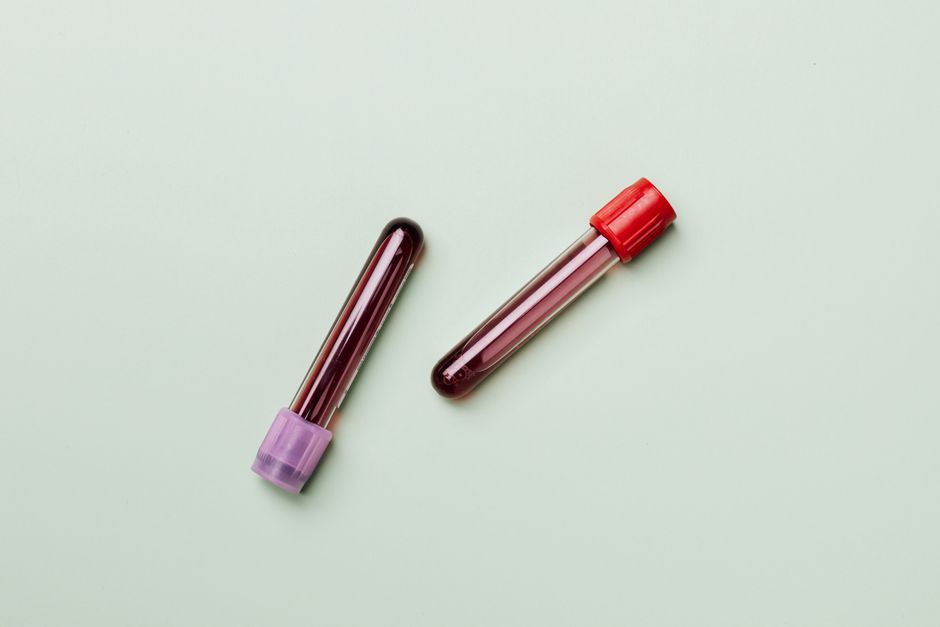
A red top tube is a blood collection tube with no additives inside. It contains no anticoagulant and no preservative. That single fact explains almost everything about what it is used for.
When blood is drawn into a red top tube, it is allowed to clot. The liquid that remains after the clot forms is called serum. Serum is the starting material for a wide range of laboratory tests, from basic chemistry panels to hormone measurements to blood banking procedures.
Red top tubes are one of several color-coded tubes used in phlebotomy. The color of the stopper tells the person drawing blood what is inside the tube — or in this case, what is not.
What Is a Red Top Tube Used For in Blood Tests?
A red top tube is used to collect blood for tests that require serum rather than plasma. Serum and plasma are similar fluids, but they are not identical, and some laboratory methods work better with one than the other.
The key difference comes down to clotting. Plasma is the liquid part of blood when an anticoagulant is added to prevent clotting. Serum is the liquid part of blood after clotting has already happened. Because a red top tube has no anticoagulant, the blood clots naturally, and the serum can be separated by spinning the tube in a centrifuge.
Tests commonly collected in red top tubes include:
- Comprehensive metabolic panels and basic metabolic panels
- Liver function tests
- Kidney function tests
- Electrolyte measurements
- Thyroid function tests
- Certain hormone assays
- Serology tests that look for antibodies
- Blood typing and crossmatching for transfusions
- Therapeutic drug monitoring for some medications
Some of these tests can also be run on plasma from other tube types. The choice often depends on the specific laboratory’s equipment and validated methods. A lab may prefer serum for one test and plasma for another, even when both would technically work.
Why Does the Red Top Tube Have No Additives?
The absence of additives is the whole point. Any chemical added to a blood tube can interfere with certain tests. Anticoagulants like EDTA, citrate, or heparin bind to ions or enzymes and can skew results.
For example, EDTA binds calcium tightly. If you tried to measure calcium levels in a tube containing EDTA, the result would be falsely low. Potassium EDTA also adds potassium to the sample, which would falsely raise potassium results. A plain red top tube avoids these problems entirely.
Clotting itself is the mechanism that produces serum. When blood contacts the inner surface of the tube, a cascade of clotting factors activates. Fibrin strands form and trap blood cells. After the clot retracts, the clear liquid left behind is serum.
This process takes time. Red top tubes generally need to sit at room temperature for about 30 to 60 minutes to allow complete clotting before centrifugation. Drawing blood into a red top tube and spinning it immediately would leave fibrin strands in the serum, which can clog lab instruments and produce unreliable results.
Red Top Tube vs. Other Blood Collection Tubes
Blood collection tubes are color-coded by the type of additive they contain. Knowing the differences helps explain why a red top tube is chosen for specific tests.
| Tube Color | Additive | Sample Type | Common Uses |
|---|---|---|---|
| Red | None (plain) | Serum | Chemistry panels, serology, blood banking |
| Gold or tiger top | Clot activator and gel | Serum | Similar to red top; gel separates serum from cells |
| Light blue | Sodium citrate | Plasma | Coagulation studies (PT, INR, aPTT) |
| Lavender or purple | EDTA | Whole blood or plasma | Complete blood count, blood typing, HbA1c |
| Green | Heparin | Plasma | Some chemistry tests, blood gas analysis |
| Gray | Potassium oxalate and sodium fluoride | Plasma | Glucose testing, lactate |
Gold or tiger top tubes are often used interchangeably with red top tubes in modern labs. They contain a clot activator to speed clotting and a gel that forms a barrier between serum and cells during centrifugation. Many hospitals have shifted to gold top tubes for serum testing because the gel barrier makes processing easier and reduces the risk of sample contamination.
Red top tubes are still widely used, particularly for blood bank procedures and in settings where the gel or clot activator might interfere with the test. Glass red top tubes are sometimes preferred for certain drug levels because some drugs can adhere to plastic surfaces.




What Happens to the Blood After It Is Drawn?
After a red top tube is filled, it is labeled and left upright at room temperature. The blood needs time to clot completely. Rushing this step can cause problems downstream.
Once clotting is complete, the tube is centrifuged. The spinning separates the sample into layers. Red blood cells and the clot settle at the bottom. Serum rises to the top. In a tube without gel, a technician must carefully pipette the serum into a separate container so it does not sit on the clot for too long.
Prolonged contact between serum and blood cells can alter some test results. Glucose levels may drop as cells continue to metabolize sugar. Potassium can leak out of cells and falsely raise serum potassium. Lactate dehydrogenase can rise. This is why processing timelines matter, and why labs have specific protocols for how quickly samples must be centrifuged and separated.
Some tests require the serum to be frozen after separation. Others are run immediately. The handling depends entirely on which tests were ordered.
When Is a Red Top Tube Not the Right Choice?
A red top tube is not used when the test requires whole blood or plasma. Complete blood counts need EDTA to prevent clotting and preserve cell morphology. Coagulation studies need citrate to keep clotting factors in their native state. Blood gas analysis needs heparinized blood analyzed quickly.
Red top tubes also are not ideal when results are needed urgently. The clotting time adds delay. In emergency situations, plasma tubes or point-of-care testing devices are often used instead because they provide faster turnaround.
Another limitation involves hemolysis. If red blood cells break open during collection or handling, hemoglobin leaks into the serum and can interfere with many chemistry tests. Hemolysis is a common reason for sample rejection. Red top tubes are not immune to this problem, though the absence of additives means at least one potential source of interference is removed.
Does the Red Top Tube Have a Shelf Life?
Blood collection tubes do have expiration dates. The vacuum inside a tube is what pulls blood in during collection. Over time, that vacuum can weaken, and the tube may not fill properly. An underfilled tube can produce inaccurate results because the blood-to-additive ratio is off — though in a red top tube with no additive, the main concern is simply having enough sample to run the tests.
Expired tubes should not be used. Most facilities rotate their stock and check expiration dates regularly. The stopper color and label should also be inspected to confirm the tube is the correct type for the tests ordered.
What Does the Red Top Tube Tell You About Your Health?
The tube itself tells you nothing. It is a container. The information comes from the tests run on the serum inside it.
That said, the choice of a red top tube can hint at what type of testing was ordered. If your blood was drawn into a red top tube, it was likely for a chemistry panel, a hormone test, a serology test, or a blood bank procedure. If it was drawn into a lavender tube, it was likely for a blood count or hemoglobin A1c.
Patients sometimes notice the tubes and wonder about the colors. It is a reasonable question. The color system exists to prevent errors — using the wrong tube can invalidate a test result entirely.
Frequently Asked Questions
What is a red top tube used for?
A red top tube is used to collect blood for tests that require serum, such as chemistry panels, thyroid tests, and blood banking procedures. It contains no additives, so the blood clots naturally and serum can be separated.
What is the difference between a red top tube and a gold top tube?
A gold top tube contains a clot activator and a gel barrier, while a red top tube contains neither. Both yield serum, but gold top tubes are often preferred in modern labs because the gel simplifies processing.
How long does blood sit in a red top tube before testing?
Red top tubes typically need 30 to 60 minutes at room temperature to allow complete clotting before centrifugation. After that, serum is separated and either tested immediately or stored according to the test requirements.
Can a red top tube be used for a complete blood count?
No. A complete blood count requires an anticoagulant, usually EDTA in a lavender top tube, to prevent clotting and preserve blood cell structure. Serum from a red top tube is not suitable for a CBC.
