
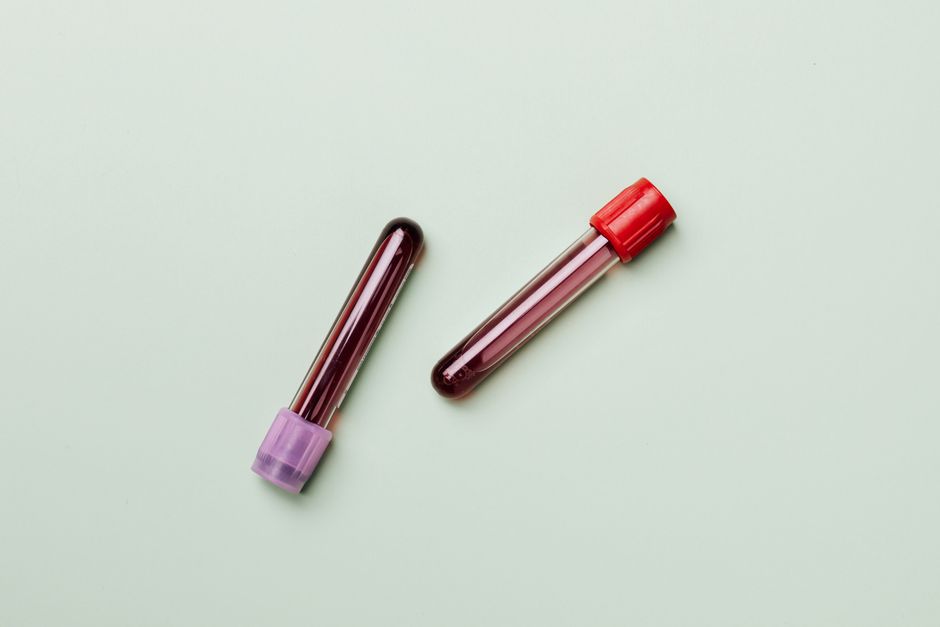
Gout is diagnosed through a combination of symptoms, a physical exam, and specific blood tests. The most important blood test measures your serum uric acid level, though it is not a standalone diagnosis. Doctors also use blood tests to check kidney function and rule out other conditions that mimic a gout flare.
What Blood Tests Are Used For Gout Diagnosis?
The primary blood test for gout is the serum uric acid test. This measures the amount of uric acid dissolved in your blood. Uric acid forms when your body breaks down purines, which are natural substances found in your cells and in many foods.
Normal uric acid levels typically fall between 3.5 and 7.2 mg/dL for adult men and between 2.6 and 6.0 mg/dL for adult women. These ranges can vary slightly by laboratory. A level above 7.0 mg/dL is considered hyperuricemia, which means high uric acid.
However, high uric acid alone does not confirm gout. Many people with elevated levels never develop the condition. Conversely, some people have normal uric acid levels during an active flare. This happens because inflammation can actually lower uric acid levels temporarily. Your doctor looks at the blood test alongside your symptoms and joint examination.
Why Is Uric Acid Testing Not Enough Alone?
The relationship between uric acid and gout is real but not absolute. Research consistently shows that only about one-third of people with elevated uric acid levels will ever experience a gout attack. That means two-thirds of people with high levels never develop symptoms.
A diagnosis of gout requires more than a number on a lab report. Doctors look for the classic signs of an acute flare: sudden severe joint pain, redness, swelling, and warmth, most often in the big toe. They also consider your medical history, including any previous episodes of sudden joint pain.
During an active flare, uric acid levels can appear normal in up to 20 percent of patients. If your doctor relies only on a blood test during this window, they could miss the diagnosis entirely. This is why clinical judgment matters as much as laboratory values.
What Other Blood Tests Help With Gout Diagnosis?
Doctors rarely order a uric acid test in isolation. They typically run a panel of blood tests to get a full picture. These additional tests help confirm the diagnosis and rule out other conditions that cause joint pain.
Complete blood count (CBC) checks for elevated white blood cells, which can indicate inflammation or infection. This helps distinguish gout from septic arthritis, a bacterial joint infection that requires urgent antibiotic treatment.
Kidney function tests measure creatinine and blood urea nitrogen (BUN). The kidneys clear uric acid from the body, so reduced kidney function can cause uric acid to build up. Understanding your baseline kidney function also matters because many gout medications require dose adjustments based on kidney health.
Liver function tests may be ordered as well. Several gout treatments, including allopurinol, can affect the liver. A baseline liver panel helps your doctor choose a safe medication and monitor you during treatment.



What Is the Most Accurate Test for Gout?
The most accurate test for gout is not a blood test at all. It is joint fluid analysis, also called synovial fluid aspiration. During this procedure, a doctor inserts a needle into the affected joint and withdraws a small amount of fluid.
That fluid is then examined under a microscope. The presence of needle-shaped urate crystals confirms the diagnosis with near certainty. This test distinguishes gout from pseudogout, which involves calcium pyrophosphate crystals and requires different treatment.
Joint fluid analysis is the gold standard because it provides direct evidence of the disease. Blood tests are helpful and commonly used, but they only measure a risk factor. Joint fluid analysis detects the actual crystals causing your symptoms.
Some doctors also use dual-energy CT scans to detect urate deposits in joints. This imaging technique is non-invasive and can be useful when joint aspiration is difficult or inconclusive. It is not a blood test, but it is another diagnostic tool your doctor might consider.
Can Blood Tests Predict Gout Flares?
Blood tests cannot reliably predict when a gout flare will occur. Uric acid levels fluctuate based on diet, hydration, medications, and recent alcohol intake. A single reading represents one moment in time, not your overall disease activity.
What blood tests can do is guide long-term management. The standard treatment target for most people with gout is a serum uric acid level below 6.0 mg/dL. Some patients with severe gout or tophi, which are urate crystal deposits under the skin, may need levels below 5.0 mg/dL.
Research indicates that maintaining uric acid below these targets reduces the frequency of flares and allows existing crystals to dissolve over time. This process takes months, not days. Regular blood testing every few months helps your doctor adjust medication doses to keep you in the target range.
It is important to understand that a normal uric acid level during a flare does not mean you do not have gout. It also does not mean the flare is not real. The blood test is one piece of the diagnostic puzzle, not the whole picture.
How Should You Prepare for a Gout Blood Test?
Preparation depends on what your doctor is testing. For a uric acid test, fasting for 8 to 12 hours beforehand is often recommended. Some research suggests that eating can temporarily raise uric acid levels, which could skew the results.
Tell your doctor about all medications and supplements you take. Some drugs, including diuretics and low-dose aspirin, can raise uric acid levels. Others, such as vitamin C supplements, can lower them. Your doctor needs this information to interpret your results accurately.
Alcohol consumption in the days before the test can also affect uric acid levels. Beer and spirits are particularly associated with higher levels. If you have been drinking heavily, your results may not reflect your typical baseline.
Do not stop taking prescribed medications without speaking to your doctor first. The goal is not to get a “good” number. The goal is to get an accurate number that reflects your true health status so your doctor can make the right treatment decisions.
What Happens After Your Blood Test Results Come Back?
Your doctor will interpret your blood test results in the context of your symptoms and physical exam. If your uric acid is elevated and you have classic gout symptoms, the diagnosis is likely. If your uric acid is normal but your symptoms strongly suggest gout, your doctor may still proceed with treatment or recommend joint fluid analysis.
An elevated uric acid level without symptoms does not require medication in most cases. This condition, called asymptomatic hyperuricemia, is common. Current evidence does not support treating everyone with high uric acid, only those who develop symptoms or have certain risk factors.
If you receive a gout diagnosis, blood tests become part of your ongoing care. Your doctor will monitor your uric acid levels regularly to ensure your treatment is working. The goal is to keep you flare-free and prevent joint damage over time.
Frequently Asked Questions
Can you have gout with normal uric acid levels?
Yes, you can have gout with normal uric acid levels, especially during an active flare. Inflammation can temporarily lower uric acid, so doctors rely on symptoms and joint fluid analysis when blood tests are inconclusive.
What is the best blood test to confirm gout?
The serum uric acid test is the main blood test used, but joint fluid analysis is the most accurate test overall. Blood tests measure risk, while joint fluid analysis detects the actual urate crystals that cause gout.
How often should uric acid levels be checked for gout?
Once you start gout treatment, most doctors check uric acid levels every 2 to 3 months until you reach your target. After that, testing every 6 to 12 months is common to ensure levels stay in range.
Do you need to fast before a gout blood test?
Fasting for 8 to 12 hours before a uric acid test is often recommended. Food intake can temporarily raise uric acid levels, so fasting gives a more accurate baseline reading.
