
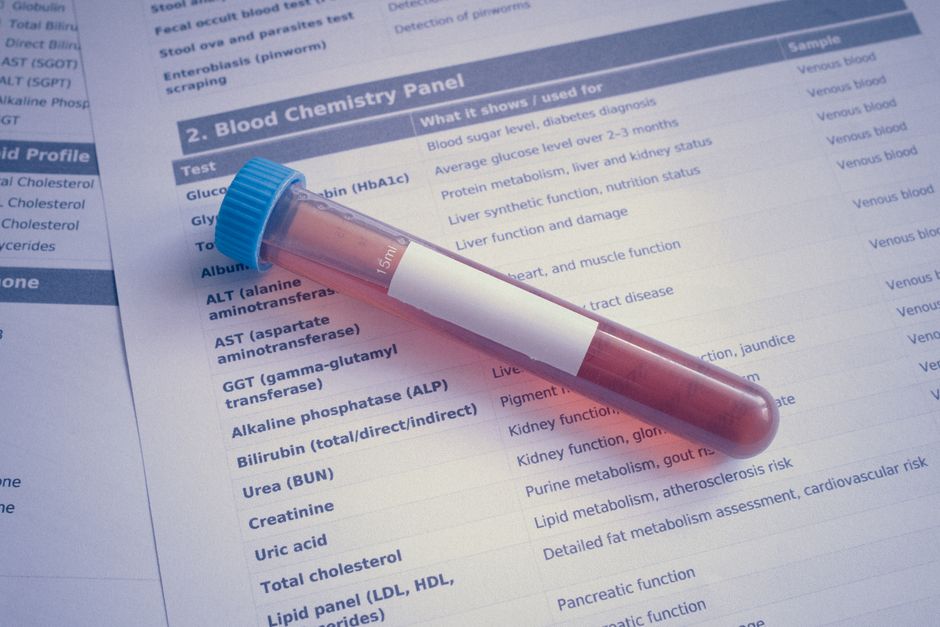
A red blood cell (RBC) count is a blood test that measures the number of red blood cells in a specific volume of blood. It tells your doctor how many oxygen-carrying cells are moving through your bloodstream. The results help diagnose conditions like anemia, which is a low count, or polycythemia, which is a high count. This test is often part of a complete blood count, or CBC, which is one of the most common blood tests ordered by doctors.
What Does a Red Blood Cell Count Measure?
The test counts the actual number of red blood cells in a sample of your blood. Red blood cells contain hemoglobin, a protein that carries oxygen from your lungs to every tissue in your body. They also carry carbon dioxide back to your lungs so you can exhale it.
Your doctor rarely looks at the RBC count alone. It is almost always reviewed alongside other numbers from the CBC, including hemoglobin and hematocrit. Hemoglobin measures the amount of the oxygen-carrying protein directly. Hematocrit measures the percentage of your blood that is made up of red blood cells. Together, these three values give a fuller picture of how well your blood can deliver oxygen.
What Is a Normal Red Blood Cell Count?
Normal ranges vary by age, sex, and even altitude. People who live at high elevations naturally have higher red blood cell counts because their bodies adapt to lower oxygen levels in the air.
In general, normal ranges are approximately:
- Adult men: 4.7 to 6.1 million cells per microliter
- Adult women: 4.2 to 5.4 million cells per microliter
- Children: Varies significantly by age
These numbers can differ slightly between laboratories. The lab report will list the specific reference range used for your sample. Doctors interpret your results against that lab’s range, not a universal standard.
What Does a Low Red Blood Cell Count Mean?
A low RBC count means your blood has fewer red blood cells than normal. The medical term for this is anemia. When you have anemia, your tissues may not get enough oxygen, which can cause fatigue, weakness, pale skin, shortness of breath, and dizziness.
There are several common causes of a low red blood cell count:
- Blood loss: From heavy menstrual periods, surgery, injury, or internal bleeding in the digestive tract
- Nutritional deficiencies: Low iron, vitamin B12, or folate can prevent your body from making enough red blood cells
- Bone marrow problems: Conditions like aplastic anemia or leukemia reduce the marrow’s ability to produce cells
- Kidney disease: Your kidneys produce erythropoietin, a hormone that tells the bone marrow to make red blood cells. Damaged kidneys make less of this hormone.
- Chronic diseases: Inflammatory conditions, cancer, and autoimmune diseases can lower red blood cell production
- Hemolysis: When red blood cells are destroyed faster than they are made
A low RBC count alone does not tell you the cause. Your doctor will usually order additional tests, such as iron studies, vitamin B12 levels, or a blood smear, to find out why the count is low.




What Does a High Red Blood Cell Count Mean?
A high RBC count means you have more red blood cells than normal. The medical term is polycythemia. When your blood has too many red blood cells, it becomes thicker, which can slow blood flow and increase the risk of blood clots.
Common causes of a high red blood cell count include:
- Dehydration: When plasma volume drops, red blood cells become more concentrated. This is not a true increase in cell numbers.
- Smoking: Carbon monoxide in cigarette smoke reduces oxygen delivery, prompting the body to make more red blood cells
- Living at high altitude: Lower oxygen levels stimulate red blood cell production
- Sleep apnea: Repeated pauses in breathing at night lower blood oxygen and trigger increased production
- Polycythemia vera: A bone marrow disease where the body makes too many red blood cells
- Certain tumors: Some kidney or liver tumors release erythropoietin, driving red blood cell production
If your count is high, your doctor may repeat the test after checking your hydration status. If it remains high, more testing is needed to determine the underlying cause.
What Symptoms Are Linked to Abnormal Results?
Symptoms depend on whether your count is low or high, and on how quickly the change happened.
With a low count, symptoms develop because tissues are not getting enough oxygen. Common symptoms include:
- Ongoing fatigue or weakness
- Shortness of breath, especially with activity
- Pale or sallow skin
- Dizziness or lightheadedness
- Cold hands and feet
- Headaches
With a high count, symptoms relate to thicker blood and reduced blood flow. Symptoms may include:
- Headaches and dizziness
- Blurred vision
- Flushed or red skin
- Fatigue
- High blood pressure
- Itching, especially after a warm shower
Many people with mildly abnormal counts have no symptoms at all. The condition is often discovered during a routine blood test for an unrelated reason.
What Happens After an Abnormal Result?
An abnormal RBC count is not a diagnosis. It is a clue that needs further investigation. Your doctor will review your complete blood count, your medical history, and your symptoms before deciding what to do next.
If your count is low, your doctor may check your iron, vitamin B12, and folate levels. They may also look at the size and shape of your red blood cells under a microscope. A blood smear can reveal whether your cells are unusually small, large, or misshapen, which helps narrow down the cause.
If your count is high, your doctor may check your oxygen levels, order a test for sleep apnea, or evaluate your kidney and liver function. In some cases, they may test for a genetic mutation linked to polycythemia vera.
Treatment depends entirely on the cause. Iron deficiency anemia is treated with iron supplements and dietary changes. Vitamin B12 deficiency requires B12 supplementation. Polycythemia vera may require regular blood removal, called phlebotomy, to reduce blood thickness. Some causes require treating the underlying disease.
Do not attempt to self-treat an abnormal red blood cell count. Iron supplements, for example, can be harmful if your anemia is not caused by iron deficiency. Always work with a doctor to identify the cause before starting any treatment.
How Often Should You Get Tested?
There is no standard recommendation for how often healthy adults should have a CBC. Many doctors include it in routine annual physicals, especially for older adults or people with chronic conditions. If you have symptoms of anemia, or a condition that affects red blood cell production, your doctor may order the test more frequently.
If you have a condition like kidney disease, inflammatory bowel disease, or a bleeding disorder, your doctor will likely monitor your red blood cell count at regular intervals. The frequency depends on your specific situation.
Frequently Asked Questions
What is the difference between RBC count and hemoglobin?
RBC count measures the number of red blood cells, while hemoglobin measures the amount of the oxygen-carrying protein inside those cells. Both are used together to assess how well your blood delivers oxygen.
Can dehydration affect my red blood cell count?
Yes. Dehydration reduces plasma volume, which concentrates red blood cells and can make the count appear artificially high. This is not a true increase in cell numbers and usually resolves once you are properly hydrated.
What foods help increase a low red blood cell count?
Iron-rich foods like red meat, beans, lentils, and fortified cereals can help if your anemia is caused by iron deficiency. Vitamin C helps your body absorb iron, so pairing iron-rich foods with citrus fruits or tomatoes is often recommended.
Is a high red blood cell count dangerous?
It can be. Thicker blood increases the risk of blood clots, which can cause stroke or heart attack. If your count is persistently high, it needs medical evaluation to find the cause.
