
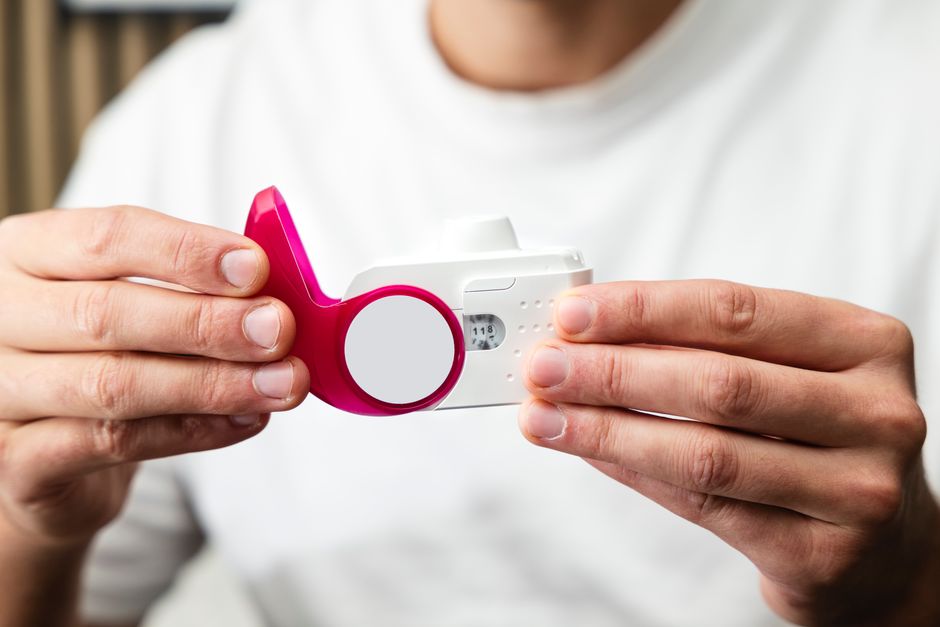
A pulmonary function test (PFT) is a group of breathing tests that measure how well your lungs work. These tests check how much air your lungs can hold, how quickly you can move air out of your lungs, and how efficiently your lungs transfer oxygen into your blood. Doctors use these tests to diagnose lung conditions, monitor existing diseases, and evaluate how well treatments are working.
What Is A Pulmonary Function Test and How Does It Work?
Pulmonary function tests measure the mechanics of breathing. You breathe into a mouthpiece connected to a machine called a spirometer. The machine records the volume of air you move and the speed at which you move it.
Most PFTs are noninvasive and painless. They require you to take deep breaths and blow out hard. A typical testing session takes about 30 to 60 minutes depending on how many tests your doctor orders.
The most common measurements include forced vital capacity (FVC), which is the total amount of air you can forcefully exhale after a deep breath, and forced expiratory volume in one second (FEV1), which is the amount of air you can blow out in the first second. The ratio between these two numbers helps doctors distinguish between different types of lung problems.
What Are the Different Types of Pulmonary Function Tests?
Spirometry is the most common PFT. It measures how much and how quickly you can exhale. You take the deepest breath possible, then blow out as hard and fast as you can for several seconds.
Lung volume testing measures the total capacity of your lungs. This test uses a technique called body plethysmography, where you sit inside a small, clear booth and breathe through a mouthpiece. The booth measures pressure changes to calculate the amount of air your lungs can hold, including air that remains after you exhale completely.
Diffusion capacity testing measures how well oxygen moves from your lungs into your bloodstream. You inhale a small, safe amount of carbon monoxide, hold your breath for about 10 seconds, and then exhale. The machine compares the amount you inhaled with the amount you exhaled to estimate how efficiently your lungs transfer gases.
Other less common tests include bronchial provocation testing, which uses inhaled substances to see if your airways narrow, and maximum voluntary ventilation, which measures your breathing capacity during rapid, deep breathing.
Why Would a Doctor Order a Pulmonary Function Test?
Doctors order PFTs for several reasons. If you have a persistent cough, shortness of breath, wheezing, or unexplained chest tightness, a PFT can help identify the cause. These symptoms can come from many different conditions, and PFTs help narrow down the possibilities.
PFTs are essential for diagnosing obstructive lung diseases like asthma and chronic obstructive pulmonary disease (COPD). In these conditions, airflow out of the lungs is reduced. The tests show lower FEV1 values and a reduced FEV1/FVC ratio.
Restrictive lung diseases also show characteristic patterns. These conditions, such as pulmonary fibrosis or sarcoidosis, reduce the total volume of air your lungs can hold. Lung volume testing shows smaller total lung capacity.
Before major surgery, especially abdominal or chest surgery, doctors may order PFTs to assess your risk of complications. People with significant lung disease face higher risks under anesthesia and during recovery.
PFTs also help monitor the progress of known lung conditions. If you have asthma, regular spirometry shows whether your medications are keeping your airways open. For people with COPD, yearly testing tracks whether the disease is progressing.



How Should You Prepare for a Pulmonary Function Test?
Preparation is straightforward but important. Avoid smoking for at least one hour before the test. Do not eat a heavy meal within two hours beforehand, since a full stomach can restrict your ability to take deep breaths.
Some medications affect breathing and test results. If you use inhalers, your doctor may ask you to skip certain doses before the test. Never stop any medication without specific instructions from your doctor. For some tests, your doctor will want to see your breathing with your usual medications. For others, they want to see your baseline without them.
Wear loose, comfortable clothing. Tight clothing around your chest or waist can restrict your breathing. Avoid vigorous exercise for at least 30 minutes before your appointment.
What Do Pulmonary Function Test Results Mean?
Results are compared to reference values based on your age, sex, height, and ethnic background. These reference values come from large studies of healthy people. Your results are reported as a percentage of the predicted normal value.
Results at or above 80 percent of the predicted value are generally considered normal. Results below that threshold suggest some degree of lung impairment, though the exact cutoff varies by the specific measurement and the laboratory’s standards.
The pattern of results matters more than any single number. In obstructive diseases, the FEV1/FVC ratio is reduced because air gets trapped in the lungs. In restrictive diseases, the ratio may be normal or even high, but total lung capacity is reduced.
Your doctor will interpret the results in the context of your symptoms, medical history, and other tests. A single abnormal reading does not necessarily mean you have lung disease. Sometimes the test needs to be repeated to confirm the finding.
What Are the Risks and Limitations of Pulmonary Function Tests?
PFTs are very safe for most people. The most common side effects are lightheadedness, coughing, or shortness of breath during the test. These symptoms usually resolve quickly once you stop blowing into the machine.
Some people cannot perform PFTs reliably. The tests require maximum effort and coordination. If you cannot follow the instructions or give a full effort, the results will not be accurate. Children under about five years old and people with certain cognitive impairments may struggle with the technique.
People with recent eye surgery, recent abdominal or chest surgery, or a collapsed lung should talk to their doctor before scheduling a PFT. The forceful breathing can strain healing tissues. Similarly, people with unstable heart disease or a recent heart attack should be evaluated carefully before testing.
PFTs measure breathing mechanics, not everything about lung health. They do not directly show the structure of your lungs. Imaging tests like chest X-rays or CT scans provide different information. Blood tests for oxygen and carbon dioxide levels measure gas exchange differently than diffusion capacity testing. Your doctor may order several types of tests together for a complete picture.
What Happens After Abnormal Results?
Abnormal results lead to further investigation, not automatically to a diagnosis. Your doctor will review your symptoms, medical history, and other test results together.
Often, the next step is a bronchodilator test. You inhale a medication that opens your airways, then repeat spirometry after about 15 minutes. If your airflow improves significantly, this suggests asthma or another reversible airway condition. If your airflow does not improve, the obstruction may be more fixed, as in COPD.
Your doctor may order additional tests such as chest imaging, blood work, or arterial blood gas analysis. In some cases, you may be referred to a pulmonologist, a doctor who specializes in lung conditions.
Treatment depends entirely on the underlying cause. Asthma and COPD have different management strategies. Restrictive lung diseases require different approaches again. Some conditions respond well to medication, while others benefit from pulmonary rehabilitation, oxygen therapy, or lifestyle changes.
Frequently Asked Questions
How long does a pulmonary function test take?
Most pulmonary function testing sessions take 30 to 60 minutes. The exact time depends on how many individual tests your doctor orders.
Is a pulmonary function test painful?
No, pulmonary function tests are not painful. You may feel lightheaded or tired from blowing hard, but these sensations pass quickly.
Can I eat before a pulmonary function test?
Avoid heavy meals for at least two hours before the test. A full stomach can make it harder to take deep breaths.
Do I need to stop my inhalers before the test?
Only if your doctor specifically tells you to. Some tests require you to skip certain medications to measure your baseline breathing, but you should never stop medications without instructions.
