
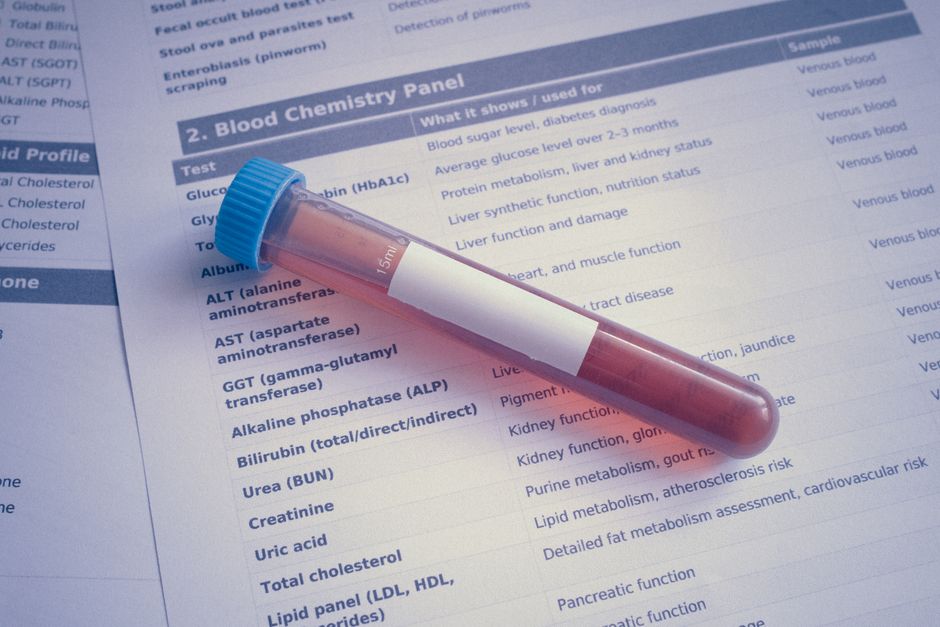
A pathology test is a laboratory examination of a sample taken from your body, most commonly blood, urine, or tissue, used to diagnose a disease or monitor a known condition. These tests are performed by pathologists and laboratory scientists who analyze the physical and chemical makeup of your samples to determine if your results fall within a normal range. The three main categories are clinical pathology (testing body fluids), anatomical pathology (examining tissue), and molecular pathology (looking at DNA and RNA). Your preparation, the type of test, and how you interpret the results all depend on the specific sample being analyzed and the medical question your doctor is trying to answer.
What Are The Main Types Of Pathology Tests?
Pathology is broadly split into three major branches. Understanding which branch your test falls under helps clarify what the results actually mean.
Clinical pathology is the most common type. It involves testing bodily fluids like blood, urine, cerebrospinal fluid, and joint fluid. These tests measure chemical components, cell counts, and the presence of infectious organisms. Standard blood panels, urine analyses, and cultures for bacterial infections all fall into this category.
Anatomical pathology examines solid tissue. This includes biopsies taken from suspicious growths, organs removed during surgery, and pap smears. The tissue is processed, sliced thinly, stained, and viewed under a microscope to identify structural changes that indicate disease, including cancer.
Molecular pathology analyzes genetic material. These tests look at DNA, RNA, and specific proteins to identify genetic mutations, confirm hereditary conditions, or determine whether a specific therapy will work for a patient’s cancer. PCR tests for infectious diseases also belong here.
Many routine tests combine these branches. A complete blood count is clinical pathology. A breast biopsy is anatomical pathology. A genetic test for a BRCA mutation is molecular pathology.
How Do I Prepare For A Pathology Test?
Preparation depends entirely on the specific test ordered. There is no universal rule. Your doctor or the laboratory should give you specific instructions before your appointment.
For most blood tests, the only requirement is staying hydrated and wearing a short-sleeved shirt for easy access to your arm. Some blood tests require fasting. A fasting glucose test or a lipid panel typically requires you to avoid food and drink, except water, for 8 to 12 hours before the draw. If you take daily medications, ask your doctor whether to take them before the test, as some can affect results.
For urine tests, you may be asked to use a “clean catch” method. This involves cleaning the genital area, starting to urinate, then collecting midstream urine in a sterile cup. This prevents contamination from skin cells and bacteria. Some urine tests require a 24-hour collection, meaning you store all urine produced in a full day in a provided container kept refrigerated.
For tissue biopsies, preparation varies by location. A skin biopsy may require no preparation. A liver biopsy may require fasting and blood-thinner adjustments. An endometrial biopsy may be scheduled around your menstrual cycle. Always confirm with your doctor whether you need to stop any blood-thinning medications like warfarin or aspirin before a biopsy because these increase bleeding risk.
If you are unsure about preparation, call the laboratory directly. It is better to ask than to have your test invalidated by improper preparation, which wastes time and may require a repeat appointment.
How Are Pathology Test Results Reported?
Results are reported in a standardized format that includes your name, the test name, your result, a reference range, and a flag indicating whether your value is high, low, or normal. The reference range is the set of values where 95 percent of healthy people fall. If your result falls outside this range, it does not automatically mean you are sick, but it signals your doctor to investigate further.
Pathology reports also include clinical comments. These are notes from the pathologist that interpret the raw numbers in the context of your clinical history. For tissue biopsies, the report describes the cellular architecture, whether abnormal cells are present, and if malignancy is found, it includes the tumor type and grade.
Timing varies by test. A complete blood count may be available within hours. A bacterial culture takes 48 to 72 hours because the organism needs time to grow. A biopsy with special stains or genetic testing can take one to two weeks. Molecular pathology tests are often the slowest because of the complex extraction and amplification steps required.
Never interpret your own results without medical guidance. A single out-of-range value is often clinically insignificant. A normal result does not rule out every disease, and an abnormal result does not confirm a specific diagnosis. Your doctor integrates the pathology report with your physical exam, imaging, and symptoms to reach a conclusion.




What Do Common Blood Pathology Values Mean?
Blood tests are the most frequently ordered pathology tests. Knowing the basic components helps you understand your report.
- Complete Blood Count (CBC): Measures red blood cells, white blood cells, hemoglobin, hematocrit, and platelets. Low hemoglobin indicates anemia. High white blood cell count suggests infection or inflammation.
- Basic Metabolic Panel (BMP): Checks glucose, calcium, electrolytes, and kidney function markers like creatinine and blood urea nitrogen.
- Lipid Panel: Measures total cholesterol, LDL, HDL, and triglycerides. Elevated LDL is a risk factor for cardiovascular disease.
- Liver Function Tests: Measure ALT, AST, bilirubin, and alkaline phosphatase. Abnormal levels may indicate liver damage or bile duct obstruction.
- Thyroid Panel: Checks TSH, T3, and T4. High TSH with low T4 indicates hypothyroidism.
These values are interpreted as a panel, not individually. An isolated high creatinine could be dehydration, while a high creatinine with abnormal electrolytes suggests kidney disease. The pattern matters more than any single number.
What Are The Risks Of Pathology Tests?
Most pathology tests carry minimal risk. Blood draws may cause minor bruising, lightheadedness, or, rarely, infection at the needle site. Applying pressure for a few minutes after the draw reduces bruising. If you feel faint, tell the phlebotomist immediately and lie down until it passes.
Biopsies carry higher risks because they involve tissue removal. The main risks are bleeding, infection, and pain at the biopsy site. Core needle biopsies and surgical biopsies carry a small risk of damaging nearby structures. For example, a lung biopsy carries a small risk of pneumothorax, or collapsed lung. Your doctor should explain these risks before you consent to the procedure.
There is no radiation exposure from pathology testing itself. The sample is analyzed outside your body. The only radiation-related risk comes from imaging procedures that may be done alongside a biopsy, such as a CT-guided biopsy.
How Accurate Are Pathology Tests?
No test is 100 percent accurate. False positives and false negatives occur, though rates vary widely by test. A false positive means the test says you have a condition you do not have. A false negative means the test misses a condition you do have.
For example, a throat culture for strep throat has a false negative rate of about 5 to 10 percent. A biopsy for cancer has a very low false negative rate when the sample is adequate and representative, but sampling error can occur if the needle misses the lesion. This is why a negative biopsy on a suspicious imaging finding may be repeated.
Laboratory errors are rare but possible. Sample mislabeling, contamination, or improper storage can invalidate results. Accredited laboratories follow strict protocols to minimize these risks. If a result seems inconsistent with your clinical picture, your doctor may order a repeat test before acting on it.
Frequently Asked Questions
Do I need to fast before every pathology test?
No. Only specific tests like fasting glucose, lipid panels, and some metabolic tests require fasting. Most blood tests do not require it, and your doctor will tell you if fasting is necessary.
How long does it take to get pathology results?
Routine blood tests may take a few hours to one day. Cultures take two to three days, and biopsies with special stains or genetic testing can take one to two weeks.
Can a pathology test be wrong?
Yes. False positives and false negatives occur, though rates vary by test. Sampling error, laboratory error, and biological variation can all affect accuracy, which is why doctors repeat tests when results conflict with clinical findings.
What should I do if my pathology result is abnormal?
Do not panic. An abnormal result is not a diagnosis. Contact your doctor, who will interpret the result in the context of your symptoms, medical history, and other tests before deciding if further investigation is needed.
