
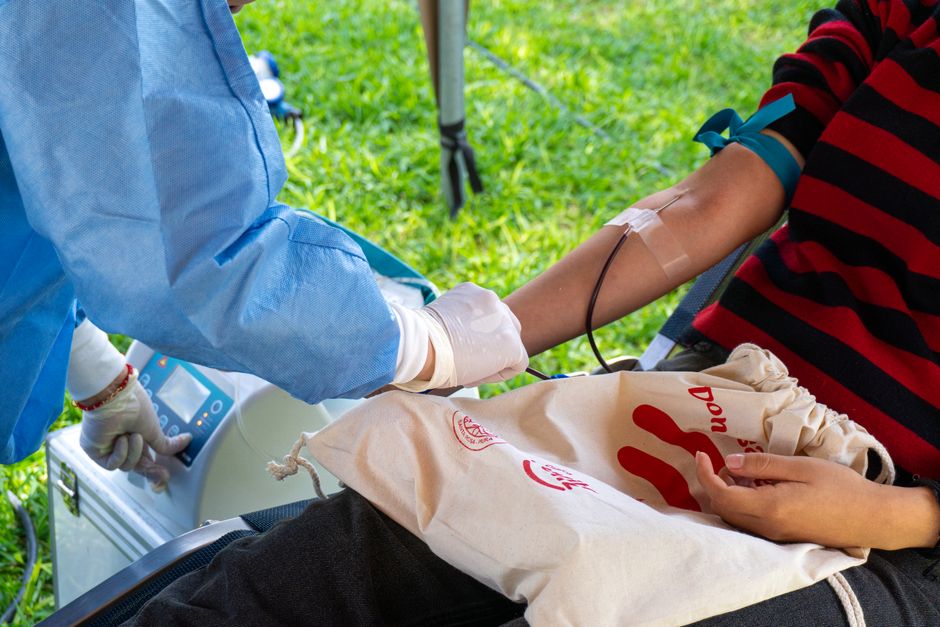
Donating plasma is a straightforward process that takes about 90 minutes from start to finish. You must be at least 18 years old, weigh at least 110 pounds, and pass a medical screening. The actual donation takes 30 to 40 minutes, but you will spend extra time on registration, a health check, and a short wait afterward.
Who Can Donate Plasma?
Plasma donation centers follow rules set by the U.S. Food and Drug Administration. You must be at least 18 years old and weigh at least 110 pounds. Some centers have their own additional requirements, so always check with your local facility.
You will need to provide proof of identity, a Social Security number, and proof of your current address. A valid driver’s license or state ID plus a utility bill usually works. First-time donors go through a more detailed screening that includes a medical history review and a physical exam.
Certain medical conditions and medications may disqualify you from donating. These include recent tattoos or piercings, pregnancy, and some chronic illnesses. The center will test your blood for infectious diseases before your first donation is used.
How Do I Donate Plasma Steps Prep And What To Expect?
The process starts with registration. You will fill out forms about your health history and current medications. This takes about 15 to 20 minutes on your first visit.
Next comes the screening. A staff member checks your blood pressure, heart rate, temperature, and hemoglobin levels. They ask questions about recent travel, infections, and any new medications. This screening is required before every single donation, not just your first one.
The donation itself uses a machine called a plasmapheresis device. A needle is placed in a vein in your arm. Blood is drawn, the plasma is separated from the red blood cells, and the red cells are returned to your body. This cycle repeats several times until the target plasma volume is collected.
After the needle is removed, you rest for a few minutes and get a snack. You can leave once the staff confirms you feel fine. Do not do heavy lifting or intense exercise for the rest of the day.
How Often Can You Donate Plasma?
You can donate plasma up to twice within a seven-day period. The FDA requires at least 48 hours between donations. Many centers limit donors to two donations per week.
Your body replaces the plasma you donate within 24 to 48 hours. The proteins in plasma take a bit longer to fully replenish, which is why the frequency limits exist. Donating more often than recommended can lower your protein levels and make you feel tired.
Each center tracks your donations and enforces these limits. You cannot donate at multiple centers to get around the rules. All U.S. donation centers share information through a national database.





What Should You Eat and Drink Before Donating?
Eat a meal two to three hours before your appointment. Choose foods with protein and iron, such as lean meat, eggs, beans, or leafy greens. Avoid fatty foods right before donating because they can affect the quality of your plasma.
Drink plenty of water in the 24 hours before your donation. Aim for about 64 ounces spread throughout the day. Being well-hydrated makes your veins easier to find and helps the donation go faster.
Avoid alcohol for at least 24 hours before donating. Caffeine is fine in moderation, but do not substitute it for water. You should also avoid taking aspirin or other blood thinners unless a doctor has told you to take them daily.
What Does the Plasma Donation Feel Like?
The needle insertion feels like a quick pinch. Most people describe it as similar to giving blood. Once the needle is in place, most donors feel nothing during the donation itself.
Some people feel a cold sensation in their arm when the red blood cells are returned. This is normal and lasts only a few seconds. The machine makes a whirring or clicking noise, which some donors find distracting at first.
You can read, use your phone, or watch TV during the donation. The staff checks on you regularly to make sure you are comfortable. Tell them immediately if you feel dizzy, nauseous, or experience any pain.
What Are the Risks and Side Effects?
Plasma donation is generally safe, but side effects do occur. The most common ones are bruising at the needle site, dizziness, and lightheadedness. These usually resolve within a few hours.
More serious complications are rare but possible. These include nerve injury, infection at the puncture site, and a reaction to the anticoagulant used to prevent clotting. The anticoagulant can cause a tingling sensation around your lips or fingers, which the staff can treat by giving you a calcium supplement.
Call the donation center if you develop redness, swelling, or pain at the needle site after you go home. Fever, chills, or unusual fatigue also warrant a call. These symptoms could indicate an infection that needs medical attention.
Fainting is uncommon but happens, especially in first-time donors. This is why the center asks you to rest and have a snack before leaving. Do not stand up too quickly after donating.
How Much Do You Get Paid to Donate Plasma?
Compensation varies by location and center. Most donors earn between $30 and $60 per donation. Some centers offer higher pay for new donors or for completing a certain number of donations in a month.
Payment is not for the plasma itself. Federal law prohibits paying for blood products. The money is compensation for your time and travel expenses. You will receive a prepaid debit card that is reloaded after each donation.
Some centers run promotions that increase pay for the first several visits. A new donor can sometimes earn $400 to $700 in the first month. These amounts vary widely, so ask your local center about their current rates.
How to Prepare for Your First Appointment
Bring your ID, Social Security card, and proof of address. Wear a shirt with sleeves that can be rolled up above the elbow. Eat a solid meal and drink water beforehand.
Get a good night’s sleep the night before. Fatigue increases your risk of feeling faint during the donation. Avoid intense exercise on donation day.
Give yourself enough time. Your first visit takes longer because of the initial screening and physical exam. Plan for up to two hours total. Subsequent visits usually take about 90 minutes.
Bring something to occupy yourself during the donation. A book, headphones, or your phone helps pass the time. The donation portion itself is the most time-consuming part of the visit.
Frequently Asked Questions
Can I donate plasma if I have a cold?
No. You must be in good health on the day of your donation. Centers will defer you if you have a fever, active infection, or are taking antibiotics.
How long does the plasma stay good after donation?
Plasma is frozen within hours of donation and can be stored for up to one year. The frozen plasma is then used to make life-saving therapies for patients with bleeding disorders and immune deficiencies.
Will donating plasma make me tired?
Some donors feel tired for a few hours after donating. This is usually mild and resolves with rest and a good meal. Persistent fatigue beyond a day is not typical and should be discussed with your doctor.
What happens if my plasma is rejected?
The center will test your plasma for infectious diseases and protein levels. If it does not meet quality standards, you will be notified and your donation will not be used. You may be able to donate again in the future depending on the reason for rejection.
