
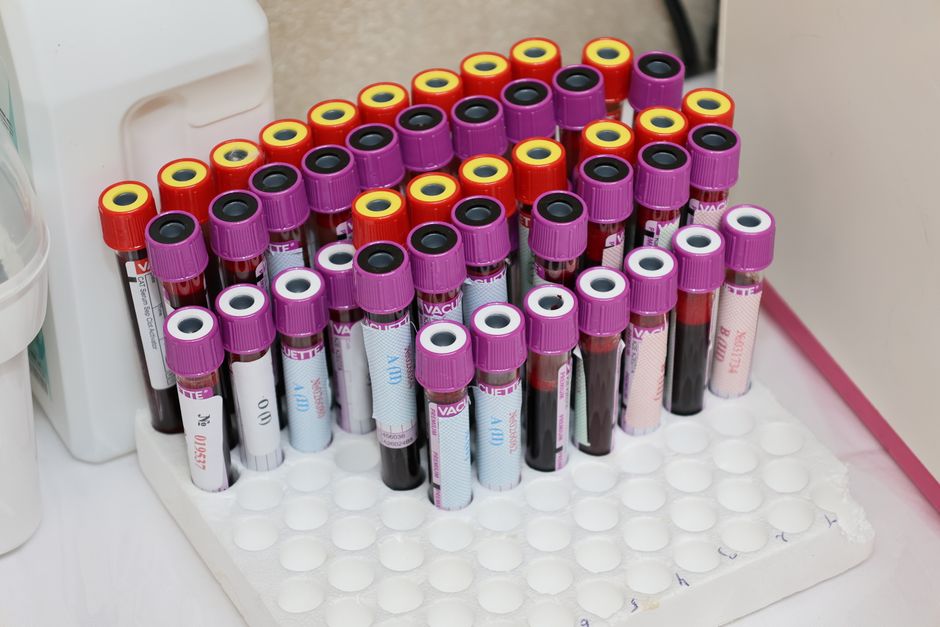
A pathologist is a medical doctor who studies the causes and effects of disease by examining tissues, blood, and other body fluids. They are the doctors who diagnose cancer, infections, and many other conditions by looking at cells under a microscope and running laboratory tests. Most pathologists never meet the patients whose lives they influence, but their findings guide the treatment decisions made by every other kind of physician.
What Is a Pathologist and What Do They Actually Do?
A pathologist is a physician who completed medical school and then three to four years of residency training in pathology. Their work sits at the intersection of medicine and laboratory science. They examine specimens removed during surgery, blood samples drawn in a clinic, and tissue from biopsies to determine what is happening inside the body.
The core of the job is interpretation. A surgeon removes a suspicious mole and sends it to the pathology lab. The pathologist slices it thin, stains it, and examines the cells. They determine whether it is benign or malignant, what type of cancer it is, and how aggressive it appears. That diagnosis determines whether the patient needs further surgery, chemotherapy, radiation, or simply monitoring.
Pathologists also oversee hospital laboratories. They ensure that blood tests, cultures, and other diagnostic tests are accurate. When you get a cholesterol panel or a strep throat culture, a pathologist is responsible for the systems that produce those results.
What Are the Main Types of Pathology?
Pathology divides into several broad areas. Each serves a different purpose in diagnosis and patient care.
- Anatomic pathology involves examining tissues and organs. This includes surgical pathology (biopsies and surgical specimens) and cytopathology (individual cells, like Pap smears).
- Clinical pathology focuses on laboratory testing of blood, urine, and other fluids. Subspecialties include hematology, microbiology, chemistry, and blood banking.
- Forensic pathology investigates deaths, determining cause and manner of death. Forensic pathologists often work with medical examiners or coroners.
- Molecular pathology uses DNA and RNA testing to identify genetic changes in tumors and inherited conditions.
Many pathologists subspecialize further. A dermatopathologist focuses on skin diseases. A neuropathologist examines brain and nerve tissue. A hematopathologist studies blood disorders and cancers like leukemia and lymphoma.
How Does a Pathologist Diagnose Cancer?
Cancer diagnosis is one of the most visible parts of pathology. When a biopsy is performed, the tissue goes through a process called fixation, where it is preserved in formalin. It is then embedded in wax, sliced into extremely thin sections, and stained so cells become visible under a microscope.
The pathologist examines the tissue for abnormal cell growth, invasion into surrounding structures, and other features that distinguish cancer from benign growths. They write a pathology report that includes the type of cancer, its grade (how abnormal the cells look), and often whether it has spread to lymph nodes or margins.
That report is not a suggestion. It is the foundation for the entire treatment plan. An oncologist cannot stage cancer or choose a therapy without the pathologist’s findings.
In some cases, the pathologist also performs frozen section analysis during surgery. This is a rapid examination done while the patient is still on the operating table. It helps the surgeon decide in real time whether to remove more tissue or close the incision. Frozen sections are less precise than permanent sections, which take a day or more to prepare.




What Is the Difference Between a Pathologist and Other Doctors?
The clearest difference is that pathologists do not treat patients directly. They diagnose. An oncologist treats cancer. A surgeon operates. A pathologist tells them what they are dealing with.
Another difference is the nature of the work. Pathologists spend most of their time in a laboratory, not in an exam room. They look through microscopes, review test results, and consult with other physicians by phone or in meetings. Some pathologists perform autopsies to determine cause of death, though autopsy rates have declined significantly in recent decades.
Pathologists also differ in how they think. Their job is pattern recognition. They compare what they see in a specimen to known patterns of disease. That requires deep knowledge of normal and abnormal tissue appearance across every organ system.
What Training Does a Pathologist Need?
Becoming a pathologist requires four years of medical school, followed by a residency in pathology that typically lasts three to four years. Many pathologists then complete a fellowship in a subspecialty, which adds another one to two years.
All pathologists must be licensed to practice medicine in their state. Most are also board-certified by the American Board of Pathology, which requires passing written and practical exams. Board certification is not legally required in every state, but most hospitals and laboratories require it for employment.
The training is demanding. Pathology residents learn to identify thousands of disease patterns and understand the laboratory techniques used to produce diagnostic information. They also learn when a diagnosis is uncertain and how to communicate that uncertainty clearly.
Why Are Pathologists Important in Your Care?
Pathologists influence nearly every major medical decision. If you have ever had a biopsy, a blood transfusion, a Pap smear, or a test for an infection, a pathologist was involved in interpreting those results.
Their findings determine whether a lump is cancer. They identify the bacteria causing an infection so the right antibiotic can be chosen. They match blood types for transfusions. They confirm that a transplanted organ is compatible with the recipient.
Pathology is also where quality control happens in medicine. If a lab test is inaccurate, a pathologist is responsible for finding out why and fixing it. That oversight protects patients from misdiagnosis and unnecessary treatment.
One non-obvious point: pathologists often serve as the final check on a diagnosis made by another doctor. If a radiologist sees a suspicious mass on a scan, it is the pathologist who confirms whether it is actually cancer. That confirmation or refutation can change everything.
What Happens to Your Sample in the Pathology Lab?
When a tissue sample arrives in the pathology lab, it goes through a standardized process. The sample is logged, described, and prepared for examination. Small samples may be examined whole. Larger ones are sliced into sections.
The tissue is dehydrated, cleared, and embedded in paraffin wax. A machine called a microtome cuts sections just a few micrometers thick. Those sections are placed on glass slides and stained, usually with hematoxylin and eosin, which makes cell nuclei blue and cytoplasm pink.
The pathologist examines the slides under a microscope. If needed, they order special stains or molecular tests to look for specific proteins, genes, or organisms. Results are compiled into a report that goes to the treating physician.
Turnaround time varies. A simple biopsy might be reported in a day or two. Complex cases requiring molecular testing can take a week or more. During that time, the pathologist may consult with other specialists to confirm a difficult diagnosis.
Do Pathologists Ever Make Mistakes?
Yes. Pathology is a human endeavor, and diagnostic errors happen. Some studies suggest that error rates in certain areas of pathology are not zero, though estimates vary widely depending on the type of specimen and the definition of error used.
Some errors are unavoidable because tissue can look ambiguous. Two pathologists looking at the same slide may disagree, especially for borderline lesions. That is why many hospitals have a second pathologist review certain diagnoses before treatment begins.
Other errors come from miscommunication, fatigue, or system failures. The field has been moving toward standardized reporting and peer review to reduce these risks. But no diagnostic method is perfect, and pathology is no exception.
How Does Pathology Fit Into Modern Medicine?
Pathology is becoming more precise. Molecular pathology now allows pathologists to identify specific genetic mutations in tumors. Those mutations can determine which targeted therapies are likely to work. This is a shift from diagnosing by appearance alone to diagnosing by molecular profile.
Digital pathology is another change. Glass slides can now be scanned into high-resolution digital images and examined on a screen. This allows pathologists to consult remotely and use artificial intelligence tools that flag suspicious areas. The evidence on how much these tools improve outcomes is still developing.
What has not changed is the core role: a pathologist examines the evidence of disease and tells the rest of the medical team what it means. That role remains central to accurate diagnosis and effective treatment.
Frequently Asked Questions
What is a pathologist in simple terms?
A pathologist is a doctor who examines tissues, blood, and other samples to diagnose diseases like cancer and infections. They work in laboratories and do not usually see patients directly.
Do pathologists treat patients?
No, pathologists do not provide direct treatment. They diagnose conditions and provide information that other doctors use to decide on treatment.
What is the difference between a pathologist and a medical examiner?
A medical examiner is a type of forensic pathologist who investigates deaths, often for legal purposes. Not all pathologists are medical examiners, and most pathologists do not perform autopsies as their main work.
How long does it take to become a pathologist?
It takes at least seven years after college: four years of medical school plus three to four years of residency. Many pathologists also complete a one- to two-year fellowship.
