
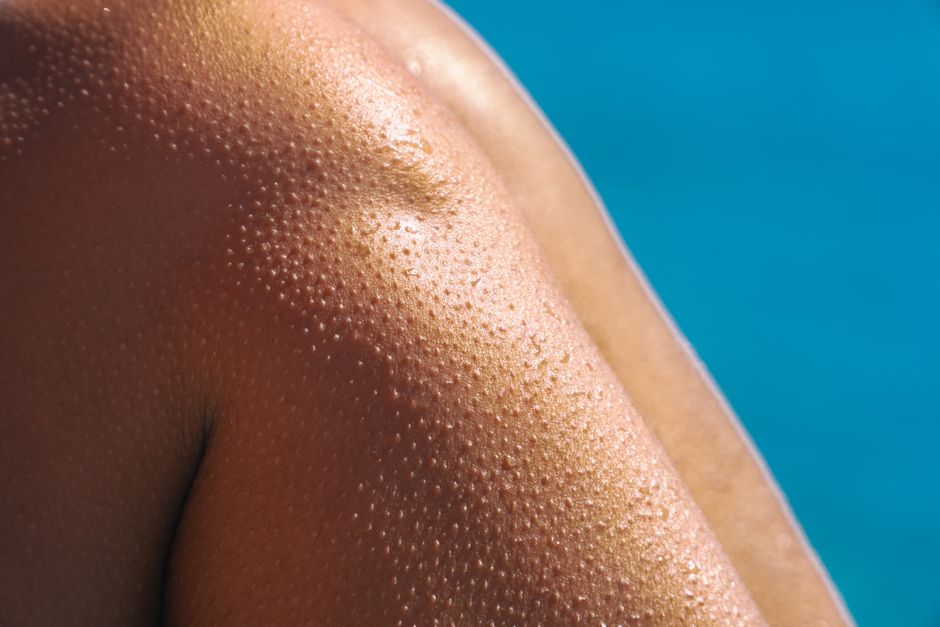
A papule is a small, solid, raised bump on the skin that is usually less than 1 centimeter across. Unlike a blister or a pustule, a papule does not contain fluid or pus; it is made of hardened or thickened skin tissue. Papules can be caused by many different skin conditions, including acne, allergic reactions, insect bites, and viral infections, and treatment depends entirely on identifying the underlying cause.
What Does a Papule Look and Feel Like?
A papule feels firm to the touch. It sits above the surface of the skin, but it is not a blister. If you press on it, it does not pop or release fluid. The color can vary widely. Papules may be skin-colored, red, pink, brown, or darker than your natural skin tone.
The size is the defining feature. Dermatologists define a papule as being less than 1 centimeter (about 0.4 inches) in diameter. If a raised bump is larger than that, it is classified as a nodule or a plaque, which are different types of skin lesions. A cluster of papules can sometimes merge together to form a larger rough patch.
Papules can appear anywhere on the body. They may be itchy, painful, or completely symptom-free. The texture can range from smooth to rough, depending on the cause. Some papules are dome-shaped, while others are flat-topped or pointed.
What Causes Papules to Form?
Papules form when skin cells accumulate, when inflammation occurs in the upper layers of the skin, or when the skin reacts to an irritant. The specific trigger determines the type of papule and how it behaves.
Acne is one of the most common causes. When a hair follicle becomes blocked with oil and dead skin cells, the wall of the follicle can rupture. This triggers inflammation, and the resulting red, firm bump is a papule. If white blood cells fill the bump with pus, it becomes a pustule instead.
Allergic reactions frequently produce papules. Contact dermatitis, caused by touching something like poison ivy, nickel, or certain cosmetics, creates raised, often itchy bumps. Hives can also start as papules, though hives typically develop into larger, flat-topped welts called wheals.
Viral infections are another major cause. Warts are papules caused by the human papillomavirus. Molluscum contagiosum is a viral skin infection that produces small, firm, dome-shaped papules with a central dimple. Insect bites, particularly mosquito bites, often form papules as part of the body’s immune response to the insect’s saliva.
Other causes include skin conditions like psoriasis, eczema, and lichen planus. Certain medications can cause drug eruptions that appear as papules. In some cases, papules are a sign of an internal condition, such as a thyroid disorder or an autoimmune disease.
How Are Papules Diagnosed?
A dermatologist usually diagnoses a papule by looking at it. The appearance, location, and distribution of the bumps provide important clues. The doctor will also ask about your medical history, recent exposures, medications, and whether the papules itch or hurt.
Sometimes a visual exam is not enough. If the diagnosis is unclear, the dermatologist may use a dermatoscope, a special magnifying lens with a light, to examine the papule more closely. This can reveal patterns not visible to the naked eye.
In certain cases, a skin biopsy is needed. The doctor numbs the area, removes a small sample of the papule, and sends it to a laboratory for analysis under a microscope. This is the most reliable way to confirm a diagnosis when skin cancer or an unusual inflammatory condition is suspected.
Do not attempt to diagnose a papule yourself if it persists, changes, or spreads. Many skin conditions look similar in their early stages. A professional evaluation is the safest approach.




What Is the Treatment for Papules?
Treatment depends entirely on the cause. There is no single treatment for all papules. What works for acne papules will not work for viral warts or allergic reactions.
For acne papules, over-the-counter treatments containing benzoyl peroxide or salicylic acid can help reduce inflammation and clear blocked pores. Prescription options include topical retinoids, antibiotics, or oral medications for more severe cases. Consistent daily use is usually required for several weeks before improvement is noticeable.
For allergic reactions, the first step is identifying and avoiding the trigger. Topical corticosteroids can reduce inflammation and itching. Oral antihistamines may help if the papules are part of an allergic response like hives. Most allergic papules resolve within days to a few weeks once the trigger is removed.
Viral warts often require specific treatments such as cryotherapy, which freezes the wart off, or topical medications containing salicylic acid. Molluscum contagiosum may resolve on its own in healthy individuals, though treatment can speed up the process and prevent spread.
For inflammatory skin conditions like psoriasis or eczema, treatment focuses on managing the underlying condition. This may include moisturizers, topical steroids, phototherapy, or systemic medications. The papules will typically improve as the underlying condition is controlled.
Do not pop, squeeze, or scratch papules. This can lead to infection, scarring, and spread of the underlying condition. If a papule is painful, growing rapidly, bleeding, or changing in appearance, seek medical attention promptly.
When Should You See a Doctor?
Not every papule requires a doctor visit. Acne papules and minor insect bites often resolve on their own or with home care. However, certain signs warrant professional evaluation.
See a doctor if a papule persists for more than a few weeks without improvement. Seek prompt attention if the papule is painful, bleeding, oozing, or rapidly changing in size, shape, or color. A single papule that appears suddenly and grows steadily could be a sign of skin cancer and should be evaluated urgently.
Any papule that does not heal, recurs in the same spot, or spreads to other areas of the body should be examined. If you have a weakened immune system or a history of skin cancer, be more cautious about any new skin growth.
The ABCDE rule is a useful guide for evaluating suspicious moles or growths: Asymmetry, irregular Borders, multiple Colors, Diameter larger than 6 millimeters, and Evolution or change over time. While this rule applies to melanoma screening, any papule with these features deserves a professional look.
Can Papules Be Prevented?
Prevention depends on the cause. Acne papules can sometimes be reduced by a consistent skincare routine that includes gentle cleansing and non-comedogenic products, which do not block pores. Avoiding heavy oils and regularly washing items that touch your face, like pillowcases and phone screens, may also help.
Allergic papules are preventable by avoiding known triggers. If you know you react to poison ivy, nickel, or certain fragrances, steer clear of them. Wearing protective clothing and using insect repellent can prevent insect bite papules.
Viral warts and molluscum contagiosum are contagious. Avoid sharing towels, razors, or personal items with others. Do not pick at existing warts or papules, as this can spread the virus to other parts of your body. Keep your skin intact and moisturized, as breaks in the skin make it easier for viruses to enter.
There is no way to prevent all papules. Many are part of normal skin reactions or genetic conditions. The best approach is to know your skin, notice changes, and seek care when something does not look or feel right.
Frequently Asked Questions
Is a papule the same as a pimple?
A papule is one type of acne lesion, but not all papules are pimples. Acne papules are inflamed, solid bumps without pus, while many other skin conditions also produce papules.
Can I pop a papule at home?
No. Popping or squeezing a papule can cause infection, scarring, and can make the underlying condition worse.
How long does a papule last?
It depends on the cause. Acne papules may last days to weeks, allergic reactions often clear within days, and viral warts can persist for months or years without treatment.
Are papules a sign of cancer?
Most papules are benign, but some skin cancers can present as papules. Any new, growing, bleeding, or changing bump should be evaluated by a dermatologist.
