
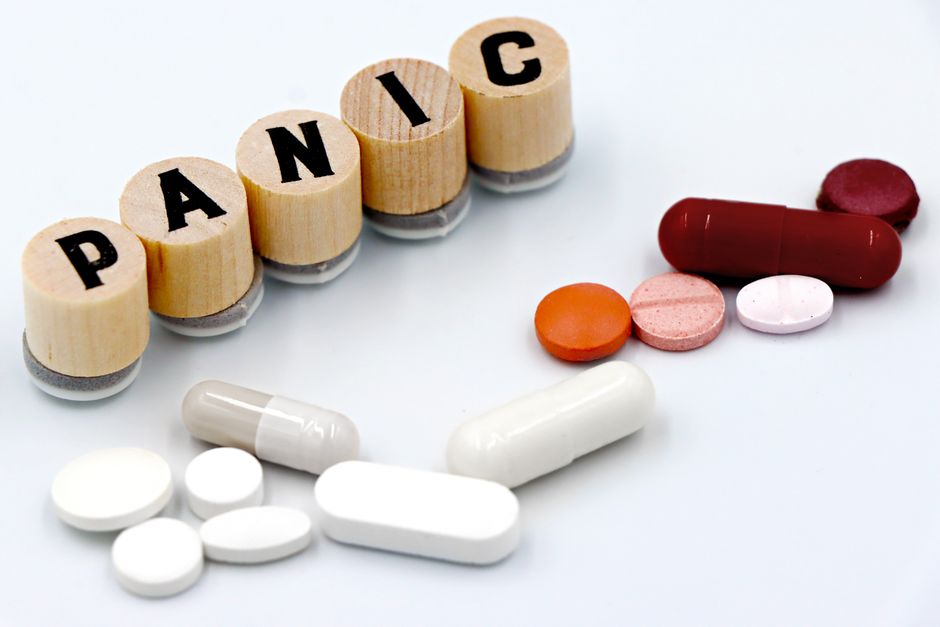
A panic attack is a sudden surge of intense fear that peaks within minutes and triggers strong physical symptoms — a racing heart, shortness of breath, chest tightness, dizziness, and a feeling of losing control. It is not dangerous, even when it feels like a medical emergency. An anxiety attack is a related but less precisely defined term. It usually describes a wave of mounting anxiety that builds gradually, often in response to a known stressor, rather than the abrupt surge of a panic attack.
What Happens in the Body During a Panic Attack?
The symptoms of a panic attack are real physical events, not imagined ones. They come from the body’s fight-or-flight response — a system designed to protect you from danger.
When the brain perceives a threat, it releases stress hormones including adrenaline. Heart rate climbs. Breathing speeds up. Blood shifts toward large muscles. Pupils widen. Digestion slows. This response is useful if you are facing a genuine physical threat. During a panic attack, it activates without a real danger present.
The rapid breathing that often comes with a panic attack can lower carbon dioxide levels in the blood. That shift can cause tingling in the hands and face, dizziness, and a sense of unreality. These sensations can feel frightening, which increases the alarm response further. The result is a loop: physical symptoms create fear, and fear creates more physical symptoms.
This is why panic attacks feel so overwhelming. The body is doing exactly what it evolved to do. It is simply doing it at the wrong time.
What Is the Difference Between a Panic Attack and an Anxiety Attack?
Panic attacks have a formal definition in the Diagnostic and Statistical Manual of Mental Disorders, the standard reference used by clinicians in the United States. Anxiety attacks do not. This is the single most important distinction between the two terms.
The DSM defines a panic attack as an abrupt surge of intense fear or discomfort that reaches a peak within minutes. It must include at least four of thirteen listed symptoms. Those symptoms include:
- Pounding or racing heart
- Sweating
- Trembling or shaking
- Shortness of breath or a smothering feeling
- Choking sensation
- Chest pain or discomfort
- Nausea or stomach upset
- Dizziness, lightheadedness, or faintness
- Chills or heat sensations
- Numbness or tingling
- Feelings of unreality or being detached from oneself
- Fear of losing control or going crazy
- Fear of dying
An anxiety attack, by contrast, is a term people use in everyday language. It generally describes intense worry or dread that builds over time. It may include restlessness, muscle tension, trouble concentrating, and sleep problems. These are symptoms of anxiety rather than the sharp spike of a panic attack.
Many people use the two terms interchangeably. In clinical settings, they mean different things.
Are Panic Attacks Dangerous?
A panic attack itself does not cause harm to the heart, brain, or any other organ. It is uncomfortable and frightening, but it is not a medical emergency on its own.
The symptoms can closely resemble those of a heart attack, which is why so many people go to an emergency room during a first panic attack. Chest pain, shortness of breath, and a racing heart appear in both. This overlap is real and worth taking seriously.
If you are experiencing chest pain, especially with pain spreading to your arm or jaw, or if you have risk factors for heart disease, seek emergency care. Do not assume it is a panic attack. A clinician can tell the difference, and that distinction matters.
In some cases, a panic attack can be triggered by an underlying medical condition. Heart rhythm problems, an overactive thyroid, low blood sugar, and certain medication effects can all produce panic-like symptoms. This is one reason a medical evaluation is a reasonable first step when panic attacks begin.



What Causes Panic Attacks?
There is no single cause. Research points to a combination of genetics, brain chemistry, temperament, and life experience.
People with a family history of panic disorder or other anxiety disorders appear to have a higher risk. Stressful or traumatic life events often precede the first panic attack. Some people are naturally more sensitive to physical sensations in their bodies, which can make the cycle of panic more likely to take hold.
Certain substances can trigger panic attacks or make them more likely. These include high doses of caffeine, stimulant medications, and some recreational drugs. Alcohol withdrawal can also produce panic-like symptoms.
Panic attacks can occur in the context of several conditions:
- Panic disorder — repeated unexpected panic attacks, plus ongoing worry about having more
- Social anxiety disorder — panic attacks triggered by social situations
- Specific phobias — panic attacks triggered by a particular object or situation
- Generalized anxiety disorder — chronic worry that can escalate into panic
- Post-traumatic stress disorder — panic attacks linked to trauma reminders
Panic attacks can also happen without any underlying disorder. A single panic attack does not mean you have panic disorder.
How Are Panic Attacks Treated?
Treatment for panic attacks and panic disorder is well studied and generally effective. The two main approaches are psychotherapy and medication, often used together.
Cognitive behavioral therapy is the most researched form of talk therapy for panic disorder. It helps people identify the thoughts and physical sensations that fuel the panic cycle and learn to respond to them differently. One specific technique, interoceptive exposure, involves deliberately bringing on mild physical sensations — like spinning or breathing through a straw — in a safe setting. Over time, this reduces the fear of those sensations.
Selective serotonin reuptake inhibitors are commonly prescribed for panic disorder. They are not fast-acting. They typically take several weeks to show benefit. Benzodiazepines can relieve panic symptoms quickly, but they carry a risk of dependence and are generally intended for short-term use. The choice of medication is a decision to make with a prescribing clinician.
Some clinicians also recommend breathing techniques and relaxation training. These are widely used in practice. The evidence for them as standalone treatments is more limited than for cognitive behavioral therapy.
If you are having panic attacks, talking to a doctor or mental health professional is a reasonable next step. Effective treatments exist.
What Should You Do During a Panic Attack?
A panic attack typically peaks within about ten minutes and then begins to subside. Knowing that it will pass can itself reduce the intensity of the experience.
Several strategies may help in the moment:
- Remind yourself that this is a panic attack and that it is not dangerous
- Slow your breathing, focusing on making the exhale longer than the inhale
- Ground yourself by naming things you can see, hear, and touch
- Stay where you are if it is safe, rather than fleeing the situation
- Avoid fighting the sensations — let them rise and fall
These steps are widely taught and generally considered helpful. Their effectiveness varies from person to person.
Avoiding situations where panic attacks have happened can make things worse over time. Avoidance teaches the brain that those situations are dangerous, which strengthens the fear. This pattern, called agoraphobia, can develop in people with panic disorder if left untreated.
If panic attacks are happening repeatedly, or if you are starting to avoid places or activities because of them, that is a signal to seek professional support. It is a common and treatable pattern.
Frequently Asked Questions
How long does a panic attack last?
A panic attack typically peaks within about ten minutes, though some symptoms can linger longer. The most intense phase usually passes within minutes.
Can a panic attack kill you?
No, a panic attack itself does not cause death or organ damage. However, its symptoms can resemble a heart attack, so new or severe chest symptoms should be evaluated by a medical professional.
What is the difference between a panic attack and an anxiety attack?
A panic attack has a formal clinical definition and comes on abruptly, peaking within minutes. An anxiety attack is a non-clinical term for intense worry or dread that usually builds gradually.
Do I need treatment for panic attacks?
Not everyone who has one panic attack needs treatment. If attacks are recurring, causing ongoing worry, or leading to avoidance of situations, professional treatment is generally recommended.
