
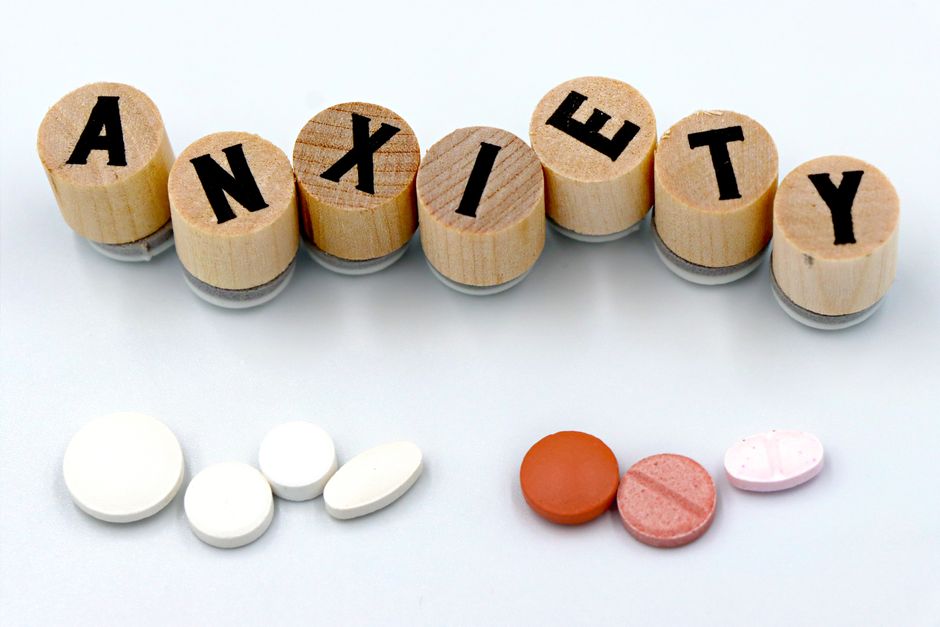
Your heart is pounding. Your chest feels tight. The room seems to close in. You might be convinced something is seriously wrong with your body. That experience is what an anxiety attack feels like for many people. An anxiety attack is a sudden surge of intense fear or discomfort that peaks within minutes and brings strong physical symptoms along with it. It is the body’s alarm system firing when there is no clear danger to justify it.
What Is an Anxiety Attack?
An anxiety attack is a period of overwhelming fear and physical arousal that comes on quickly. The person feels a sense of losing control, going crazy, or dying. The body reacts as if facing a threat, even when no threat exists.
The term “anxiety attack” is used in everyday language. It is not a formal diagnosis in the main psychiatric manual used in the United States, the DSM-5. That manual defines panic attacks, which are sudden surges of fear that peak within minutes and include at least four specific symptoms. Many people use “anxiety attack” and “panic attack” to mean the same thing, though clinicians often separate them.
A panic attack is defined by its sudden onset and short peak. An anxiety attack, as people commonly describe it, may build more gradually over hours or days. It can also feel less intense than a full panic attack but last longer. This distinction matters because it shapes how a doctor evaluates what is happening.
What Are the Symptoms of an Anxiety Attack?
Symptoms affect both the body and the mind. They can feel frightening, but they are not dangerous in themselves. A panic attack requires at least four of the following symptoms to meet the clinical definition:
- Pounding or racing heart
- Sweating
- Trembling or shaking
- Shortness of breath or a smothering feeling
- Choking sensation
- Chest pain or discomfort
- Nausea or stomach upset
- Dizziness, lightheadedness, or faintness
- Chills or heat sensations
- Numbness or tingling
- Feelings of unreality or being detached from oneself
- Fear of losing control or going crazy
- Fear of dying
An anxiety attack that does not meet the full panic threshold can still include several of these. The mental symptoms often linger after the physical ones fade. People describe a sense of dread, racing thoughts, and a strong urge to escape the situation.
One detail that surprises many people: chest pain and shortness of breath are common in panic attacks. That combination can mimic heart problems, which is why a first episode often sends people to an emergency room. A doctor may need to rule out cardiac causes before concluding the symptoms are anxiety-related.
What Causes an Anxiety Attack?
Anxiety attacks arise from the body’s fight-or-flight response. This system evolved to protect you from danger. When it activates, it releases stress hormones like adrenaline. Your heart rate climbs, breathing speeds up, and blood flows to major muscles. That response is useful when facing a real threat. It becomes a problem when it fires without a clear trigger.
The underlying causes are not fully understood. Research points to a mix of factors rather than a single source:
- Genetics. Anxiety disorders tend to run in families, suggesting a genetic component.
- Brain chemistry. Imbalances in certain neurotransmitters are thought to play a role, though the exact mechanisms remain under study.
- Life stress. Major stressors, trauma, or ongoing pressure can raise the risk.
- Medical conditions. Thyroid problems, heart conditions, and low blood sugar can produce similar symptoms.
- Substances. Caffeine, alcohol, and some medications can trigger or worsen episodes.
An attack can also happen with no obvious trigger at all. That unpredictability is part of what makes them distressing. When someone starts fearing the next attack, that fear itself can become a trigger, creating a cycle.




How Is an Anxiety Attack Different From a Panic Attack?
The two terms overlap, and many people use them interchangeably. In clinical settings, panic attacks have a specific definition: they peak within minutes and include at least four of the listed symptoms. The word “attack” itself signals the abrupt quality.
Anxiety attacks, as commonly described, may build slowly and last longer. They often tie to a specific worry or stressor. Panic attacks can occur out of nowhere, even during sleep. Some people experience both patterns.
The distinction is not always clean. What matters more than the label is the pattern, frequency, and impact on daily life. A doctor uses those details to decide on the right approach. If attacks recur and lead to ongoing fear or avoidance, that may meet criteria for panic disorder or another anxiety disorder.
When Should You Seek Help?
An anxiety attack is not physically dangerous on its own. But the symptoms can overlap with serious medical conditions, including heart attacks. If you have chest pain, trouble breathing, or other alarming symptoms for the first time, seek emergency care. It is better to have a doctor rule out a medical cause than to assume it is anxiety.
Beyond that first episode, consider talking to a professional if:
- Attacks happen often or feel hard to control
- You start avoiding places or situations out of fear
- The worry interferes with work, relationships, or sleep
- You use alcohol or drugs to cope
- You have thoughts of harming yourself
Anxiety disorders are among the most common mental health conditions. They are also treatable. Reaching out is a reasonable step, not an overreaction.
How Are Anxiety Attacks Treated?
Treatment usually combines therapy, lifestyle changes, and sometimes medication. The best approach depends on the person and the severity of symptoms.
Cognitive behavioral therapy (CBT) is one of the most studied treatments for panic and anxiety. It helps people identify the thoughts that fuel attacks and change how they respond to physical sensations. Exposure therapy, a related approach, gradually reduces fear of the situations that trigger anxiety.
Medications may include antidepressants such as SSRIs, which are often used for ongoing anxiety, or short-term anti-anxiety drugs. These are prescribed by a clinician. They are not a first step for everyone, and they carry side effects and risks that need to be discussed with a doctor.
Lifestyle changes can support treatment. Regular physical activity, consistent sleep, and cutting back on caffeine and alcohol may reduce how often attacks occur. Breathing exercises can help calm the body during an episode, though evidence for their effect on preventing attacks is limited.
Some people try supplements or herbal remedies marketed for anxiety. The evidence for most of these is limited or mixed. No supplement has been confirmed to prevent or treat panic attacks. Anyone considering one should check with a doctor first, since supplements can interact with medications.
What Can You Do During an Anxiety Attack?
When an attack hits, the goal is to ride it out safely. Attacks peak and then fade. Reminding yourself of that can reduce the fear that makes symptoms worse.
A few strategies some people find helpful:
- Slow your breathing, making exhales longer than inhales
- Name five things you can see, four you can touch, three you can hear
- Remind yourself the feeling is temporary and not dangerous
- Stay where you are if it is safe, rather than fleeing
- Call someone you trust if being alone makes it harder
These techniques are widely used, but research on how well they work during an actual attack is limited. They are most effective when practiced ahead of time and combined with professional treatment. They are not a substitute for care if attacks are frequent or severe.
The most important thing to understand is that an anxiety attack, while deeply uncomfortable, is not a sign of weakness or a medical emergency in itself. It is a misfire of a system designed to protect you. That system can be retrained, often with real success, through the right support.
Frequently Asked Questions
What does an anxiety attack feel like?
It feels like a sudden wave of intense fear with physical symptoms such as a racing heart, shortness of breath, chest tightness, dizziness, or a sense of unreality. Many people also feel a strong urge to escape or a fear that they are dying or losing control.
How long does an anxiety attack last?
Panic attacks typically peak within minutes and usually ease within about 10 to 20 minutes, though some symptoms can linger longer. Anxiety attacks that build more gradually may last for hours.
Is an anxiety attack the same as a panic attack?
Not exactly, though people often use the terms interchangeably. A panic attack has a formal clinical definition with sudden onset and at least four specific symptoms, while “anxiety attack” is a broader everyday term that may describe a slower-building episode.
Can an anxiety attack be dangerous?
An anxiety attack is not physically dangerous on its own, even when symptoms feel severe. However, symptoms like chest pain and shortness of breath can overlap with a heart attack, so a first episode should be checked by a medical professional.
