
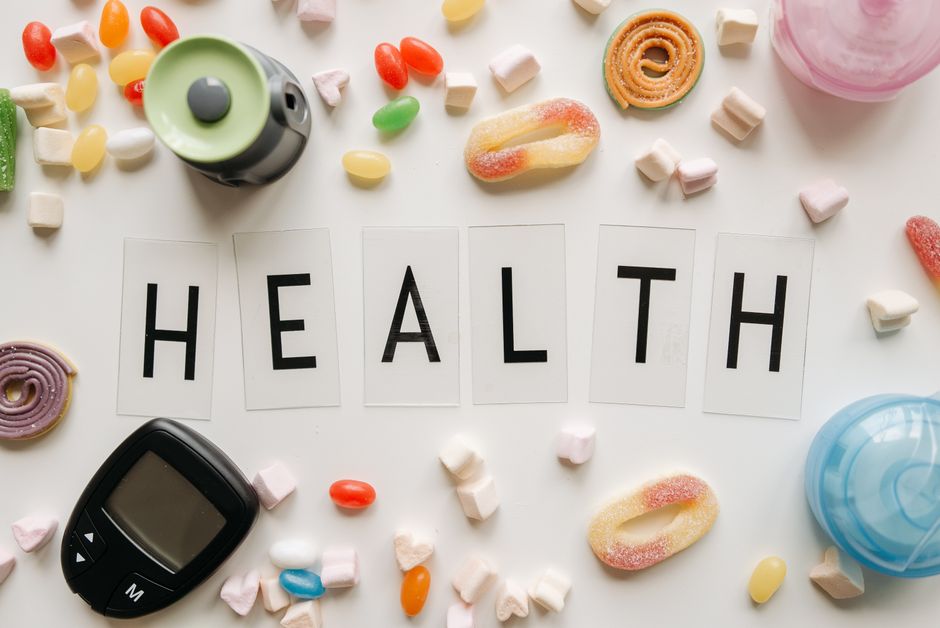
A no sugar diet means cutting out added sugars and often highly refined sweeteners from what you eat. It does not mean eliminating all carbohydrates or all naturally occurring sugars, like those found in fruit. The goal is to stop eating the sugars that provide calories but little to no nutritional value, which most health experts agree is a reasonable step for most people.
What Counts as Sugar on This Diet?
To follow a no sugar diet, you first need to know what to look for. Added sugars are any sugars added to foods during processing or preparation. This includes white sugar, brown sugar, honey, maple syrup, and agave nectar. It also includes corn syrup, high-fructose corn syrup, and fruit juice concentrates.
Food manufacturers use many different names for sugar. Reading ingredient labels is the only reliable way to know what is inside a product. Look for words ending in “ose” like sucrose, glucose, fructose, and maltose. Also watch for syrup, nectar, and any form of cane juice.
Naturally occurring sugars are different. The sugar in a whole apple or a carrot is packaged with fiber, water, and other nutrients. Your body digests these foods more slowly. The sugar in a soda has no fiber and hits your bloodstream quickly. A no sugar diet typically allows whole fruits and vegetables while eliminating added sweeteners.
What Can You Eat on a No Sugar Diet?
Whole foods are the foundation of this eating pattern. If it does not have an ingredient label, it is usually safe. Fresh meat, poultry, and fish contain no added sugar. Eggs, plain dairy products, and unsweetened milk are also fine.
Vegetables are encouraged without restriction. Most contain minimal sugar. Sweet potatoes and corn have more natural sugar but are still whole foods. Fruits are generally allowed in moderation, though some versions of the diet limit higher-sugar fruits like bananas and grapes.
Grains and legumes are typically included. Oats, rice, quinoa, and beans are naturally sugar-free. The key is choosing versions without added sweeteners. Plain rolled oats are fine. Instant oatmeal packets often contain added sugar. Canned beans are fine if they do not list sugar on the label.
Nuts and seeds are excellent choices. They provide protein, fat, and fiber. Choose raw or dry-roasted versions. Many commercial nut butters contain added sugar and palm oil, so check labels carefully.
Fats like olive oil, avocado, and butter are naturally sugar-free. Herbs, spices, vinegar, and mustard add flavor without sugar. Watch out for condiments like ketchup, barbecue sauce, and salad dressings, which frequently contain significant added sugar.
What Do You Need to Avoid?
Sugary drinks are the biggest source of added sugar in the American diet. Regular soda, sweetened tea, fruit punch, sports drinks, and energy drinks are all off the table. Even “healthy” juices can contain as much sugar as soda. One serving of orange juice has about 21 grams of sugar with none of the fiber you would get from eating the whole orange.
Baked goods are obvious sources. Cakes, cookies, pastries, and donuts are loaded with sugar. But many savory foods also contain hidden sugar. Bread, pasta sauce, granola bars, flavored yogurt, and breakfast cereals frequently have added sugar. Even some brands of canned soup and deli meat add sugar for flavor.
Alcohol is another consideration. Beer contains maltose, wine contains natural grape sugar, and cocktails often include sugary mixers. Most no sugar diets recommend avoiding alcohol or limiting it to dry wines and spirits with sugar-free mixers.
Artificial sweeteners are a gray area. Some versions of the diet allow them. Others ban them. The evidence on artificial sweeteners is mixed. Some research suggests they may help with weight loss in the short term, while other studies raise questions about their long-term effects. There is no clear consensus, so the choice depends on personal preference.





What Results Can You Expect?
Weight loss is common on a no sugar diet, but not guaranteed. Cutting added sugar usually reduces total calorie intake. Sugar is energy-dense and easy to overconsume. Removing it often creates a calorie deficit without deliberate portion control.
Blood sugar levels typically improve. Added sugars spike blood glucose quickly. Removing them helps stabilize glucose throughout the day. For people with prediabetes or type 2 diabetes, this can be clinically meaningful. However, anyone on diabetes medication should talk to a doctor before making major dietary changes.
Energy levels may become more consistent. Sugar provides a quick burst of energy followed by a crash. Without it, many people report steadier energy and fewer afternoon slumps. This is anecdotal but commonly reported.
Cravings usually decrease over time. The first week is often the hardest. Sugar activates reward pathways in the brain, and withdrawal can cause headaches, fatigue, and irritability. These symptoms typically resolve within several days to two weeks. After that, most people find sugary foods taste overly sweet.
How Long Should You Follow It?
There is no standard duration for a no sugar diet. Some people use it as a 30-day reset to break habits. Others adopt it as a permanent lifestyle change. The evidence does not support one approach over the other.
What matters more is what happens after the strict phase. If you return to your previous eating pattern, you will likely regain any weight lost. A more sustainable approach is to reduce added sugar permanently rather than eliminating it temporarily. The Dietary Guidelines for Americans recommend limiting added sugar to less than 10 percent of daily calories. For a 2,000-calorie diet, that is about 50 grams per day. A no sugar diet goes well below this threshold.
Some research suggests that even lower intakes may have health benefits. However, the evidence is not strong enough to recommend a specific lower target for everyone. The safest conclusion is that reducing added sugar is beneficial, and the more you reduce it, the more benefit you may see.
Is a No Sugar Diet the Same as Keto or Low-Carb?
No. A no sugar diet is not a low-carbohydrate diet. It only restricts added sugars and sometimes high-sugar fruits. Carbohydrates from grains, legumes, and vegetables are still allowed. You can eat rice, oats, beans, and potatoes on a no sugar diet.
Keto is a very low-carbohydrate diet that typically limits total carbs to under 50 grams per day. This forces the body into ketosis, a metabolic state where fat becomes the primary fuel source. A no sugar diet does not aim for ketosis.
Low-carb diets vary but generally restrict total carbohydrates more than a no sugar diet does. The distinction matters for people managing blood sugar. A no sugar diet may be sufficient for some, while others need more aggressive carbohydrate restriction under medical supervision.
What Are the Common Mistakes?
The most common mistake is replacing sugar with unhealthy alternatives. Sugar-free processed foods often contain refined flour, unhealthy fats, and artificial ingredients. A sugar-free cookie is still a cookie. It provides little nutritional value regardless of sweetener content.
Another mistake is ignoring natural sugars in concentrated forms. Dried fruit, fruit juice, and smoothies can deliver large amounts of sugar quickly. A handful of raisins has more sugar than a whole apple. The fiber has been removed or concentrated, changing how your body processes it.
Some people also eat too little. Cutting out entire food groups without planning can lead to inadequate calorie intake. This is especially risky for people with higher energy needs, such as athletes or pregnant women. No clinical guidelines currently exist for a no sugar diet in pregnancy, so pregnant women should consult their healthcare provider before making significant dietary changes.
Frequently Asked Questions
Can you eat fruit on a no sugar diet?
Yes, most versions of the diet allow whole fruit. The natural sugar in fruit comes with fiber and nutrients that slow digestion.
How long does it take to stop craving sugar?
Most people report cravings decreasing significantly after one to two weeks. The first few days are typically the hardest.
Is honey better than white sugar?
Honey has trace nutrients and a lower glycemic index than white sugar, but it is still added sugar. Your body processes it similarly.
Can you drink coffee on a no sugar diet?
Yes, as long as you drink it black or with unsweetened milk. Flavored syrups and sugar are not allowed.
