
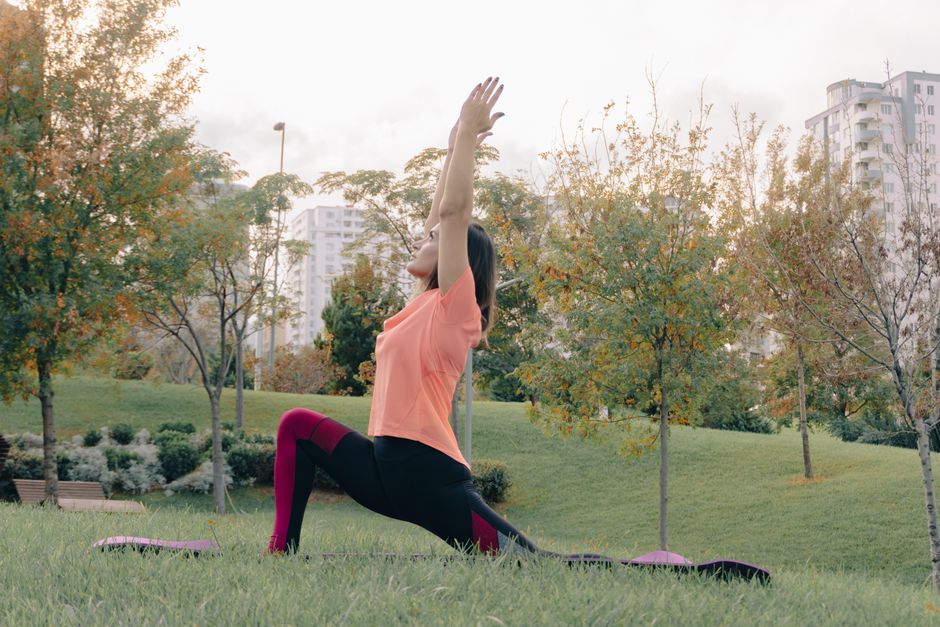
Your lungs work around the clock, moving oxygen into your blood and clearing out carbon dioxide. Most people do not think about them until something goes wrong. The good news is that you can take direct steps to protect them. The key elements are regular aerobic exercise, a diet rich in antioxidants, and avoiding known lung irritants like tobacco smoke. These actions do not guarantee perfect lungs, but they build a strong foundation that helps your respiratory system stay resilient as you age.
How Does Exercise Strengthen Your Lungs?
Exercise does not make your lungs bigger. It makes them more efficient. When you exercise, your breathing rate increases, and your heart pumps more blood. Over time, your body adapts to this demand by improving how well your muscles extract oxygen from the blood. This reduces the strain on your lungs during everyday activities.
Aerobic exercise is the most effective type for lung health. Activities like brisk walking, cycling, swimming, and jogging force your respiratory muscles to work harder. The diaphragm and intercostal muscles—the muscles between your ribs—get stronger with regular use. Stronger respiratory muscles make breathing feel easier, even at rest.
Research consistently shows that people who engage in regular moderate-intensity exercise have better lung function measurements than those who are sedentary. This does not mean you need to run marathons. Brisk walking for 30 minutes on most days of the week is enough to see meaningful benefits.
One important detail: exercise helps most when you do it consistently. A single workout gives you a temporary boost in lung capacity, but the lasting changes come from months and years of regular activity.
What Foods Support Lung Health?
Diet affects your lungs in two main ways. First, certain nutrients help protect lung tissue from damage caused by pollution and normal aging. Second, maintaining a healthy weight reduces the physical work your lungs must do.
Antioxidants are the most studied nutrients for lung health. Vitamin C, vitamin E, and beta-carotene help neutralize free radicals—unstable molecules that can damage lung cells. Fruits and vegetables are the best sources of these nutrients. Apples, berries, leafy greens, and cruciferous vegetables like broccoli and Brussels sprouts appear in multiple studies as foods linked to better lung function.
Omega-3 fatty acids found in fatty fish like salmon and sardines have anti-inflammatory properties. Some research suggests they may reduce airway inflammation, though the evidence is not as strong as the data on antioxidants. Including fish in your diet a couple of times per week is a reasonable choice for overall health, and lung health may benefit as a side effect.
There is no single “lung superfood.” The pattern matters more than any one item. A diet rich in whole plant foods, with adequate protein and healthy fats, supports respiratory health better than any supplement or specific food.
Can Supplements Improve Lung Function?
This is where the evidence gets murky. Many supplement companies market products claiming to “cleanse” or “detoxify” your lungs. No clinical evidence supports these claims. Your lungs have their own cleaning system—tiny hair-like structures called cilia that sweep mucus and trapped particles out of your airways.
Vitamin supplements generally do not improve lung function in people who already eat a balanced diet. Some older studies suggested that high doses of certain antioxidants might help people with existing lung conditions, but newer research has not confirmed these benefits. In some cases, high-dose beta-carotene supplements were actually linked to increased lung cancer risk in smokers.
If you have a diagnosed deficiency—such as low vitamin D—correcting it may help your overall health. But taking supplements “just in case” for lung health is not supported by current evidence. Your money is better spent on whole foods and regular exercise.



How Does Smoking Cessation Affect Your Lungs?
This is the single most important step for lung health. Nothing else comes close. If you smoke, quitting is the most effective action you can take. The lungs begin repairing themselves within weeks of stopping.
Within a few days, the cilia start working again. Within a few months, coughing and shortness of breath often decrease. Over years, the risk of lung cancer and chronic obstructive pulmonary disease (COPD) drops significantly compared to continuing smokers. It never returns to the level of a never-smoker, but the improvement is substantial.
Vaping is not a safe alternative. E-cigarette aerosol contains chemicals that can irritate the lungs, and the long-term effects are still unknown. The safest choice is to avoid all inhaled products that are not prescribed by a doctor.
Can Breathing Exercises Improve Lung Capacity?
Breathing exercises can help certain groups of people, but they are not magic. For people with COPD, asthma, or anxiety-related breathlessness, specific techniques like pursed-lip breathing and diaphragmatic breathing can reduce the feeling of breathlessness and improve exercise tolerance.
For healthy people, breathing exercises do not increase lung capacity. Your lungs already have more capacity than you use. What breathing exercises can do is improve your awareness of breathing and help you breathe more efficiently during physical activity.
If you want to try breathing exercises, start with simple diaphragmatic breathing. Sit comfortably, place one hand on your belly, and breathe in deeply through your nose so your belly rises. Exhale slowly through pursed lips. A few minutes a day is enough. This is not a substitute for aerobic exercise, but it can be a useful addition.
How To Keep Your Lungs Healthy Exercise Diet More?
The complete picture combines exercise, diet, and avoidance of harmful exposures. Regular aerobic exercise strengthens the muscles that power your breathing. A plant-rich diet provides the antioxidants that protect lung tissue from oxidative damage. Avoiding tobacco smoke, indoor pollutants, and excessive outdoor air pollution reduces the burden on your respiratory system.
You also need to protect your lungs from infections. Annual flu vaccines and recommended pneumonia vaccines reduce the risk of serious respiratory illness. Good hand hygiene and avoiding close contact with sick people during flu season are simple but effective measures.
If you have a chronic cough, wheezing, or shortness of breath that lasts more than a few weeks, see a doctor. These symptoms are not normal, even in older adults. Early diagnosis of lung conditions leads to better outcomes.
Does Indoor Air Quality Matter?
Indoor air can be more polluted than outdoor air. Common sources include cooking fumes, cleaning products, mold, and secondhand smoke. Poor indoor air quality can irritate your airways and worsen symptoms for people with asthma or allergies.
Simple steps to improve indoor air include using a range hood when cooking, choosing fragrance-free cleaning products, and controlling humidity to prevent mold growth. Air purifiers with HEPA filters can reduce particulate matter in the air, though their clinical benefit for healthy people is not firmly established.
Radon is a colorless, odorless gas that can accumulate in basements and is the second leading cause of lung cancer after smoking. Testing your home for radon is inexpensive and worth doing, especially if you spend time in a basement.
What Is the Role of Weight in Lung Health?
Excess body weight, especially around the abdomen, pushes up on the diaphragm. This limits how far your lungs can expand and makes breathing less efficient. Even modest weight loss can improve breathing for people who are overweight.
The relationship between weight and lung health is not linear. Both underweight and severely overweight people show lower lung function measurements compared to people in a healthy weight range. Maintaining a stable, healthy weight through diet and exercise supports lung function better than any specific eating pattern.
Frequently Asked Questions
What is the best exercise for lung health?
Aerobic exercise such as brisk walking, cycling, or swimming is the most effective for lung health. Aim for 30 minutes of moderate activity on most days of the week.
Can diet alone improve lung function?
No single diet can reverse lung damage, but a diet rich in fruits, vegetables, and omega-3 fatty acids supports lung tissue health. Diet works best when combined with exercise and avoiding tobacco smoke.
Do breathing exercises increase lung capacity?
Breathing exercises do not increase lung capacity in healthy people. They can reduce breathlessness in people with lung conditions and improve breathing efficiency during exercise.
How long after quitting smoking do lungs heal?
Lung repair begins within weeks of quitting, with cilia function improving and coughing often decreasing within a few months. The risk of lung cancer continues to drop for years after cessation.
