
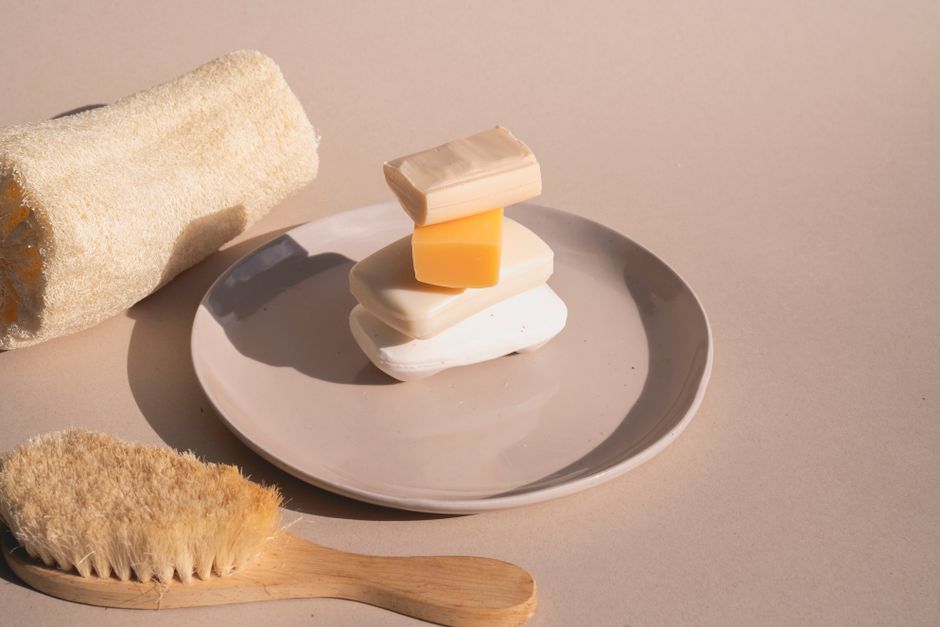
Your skin has a natural acid mantle — a thin, slightly acidic film on the surface that helps keep irritants out and moisture in. Neutral soap is formulated at a pH close to 7, which is less acidic than your skin’s natural pH of about 4.5 to 5.5. People with certain skin conditions, sensitive skin, or those following specific dermatologist advice may be told to use it — but neutral soap is not automatically better for everyone.
What Is A Neutral Soap Skin Ph And Who Needs It?
Skin pH refers to how acidic or alkaline the surface of your skin is. The acid mantle sits at roughly pH 4.5 to 5.5, which is mildly acidic. A neutral soap has a pH of about 7 — the midpoint of the pH scale, where a substance is neither acidic nor alkaline.
The key point: “neutral” does not mean “pH-balanced for skin.” Your skin is not neutral. It is acidic. A product labeled neutral is closer to water in pH, not closer to your skin’s natural state.
So who actually needs neutral soap? People whose skin cannot tolerate the acidity of traditional bar soaps, or those whose dermatologist has recommended a less acidic cleanser to reduce stinging or irritation. That includes some people with eczema, rosacea, or sensitive skin. It also includes people using certain prescription topical treatments that make skin more reactive.
For most healthy adults with no skin conditions, a neutral soap is not necessary. Regular cleansers that respect the skin’s acid mantle — often labeled “pH-balanced” or “mildly acidic” — are generally well tolerated.
How Does Soap Ph Affect Your Skin Barrier?
Traditional bar soap is made through saponification — a reaction between fat and lye. The result is alkaline, typically pH 9 to 10. When you wash with it, the alkalinity temporarily raises your skin’s surface pH.
Healthy skin can bounce back. Within a short time, your skin’s buffering systems and the natural oils it produces bring the pH back down. But this recovery is not instant, and repeated exposure to alkaline products can disrupt the skin barrier over time.
What does “disrupt the barrier” actually mean? The outer layer of skin — the stratum corneum — is held together by lipids (fats) arranged in a specific structure. These lipids include ceramides, cholesterol, and free fatty acids. When the pH rises, enzymes that break down these lipids become more active. The result is a looser, more permeable barrier.
A compromised barrier loses water more easily. That leads to dryness, tightness, and increased sensitivity. It also makes it easier for irritants and allergens to get through.
Neutral soap sits in the middle. It does not raise skin pH as much as alkaline bar soap, but it also does not match the skin’s natural acidity. Its effect on the barrier is generally milder than traditional soap but not as minimal as a well-formulated acidic cleanser.
Is Neutral Soap Better Than Regular Soap?
Not necessarily. “Better” depends on your skin and what you are using it for.
Traditional alkaline soap cleans effectively and is inexpensive. For many people with healthy skin, it causes no obvious problems. The catch is that the damage to the skin barrier can be cumulative and not immediately visible. You may not notice dryness or irritation until it builds up.
Neutral soap is a middle ground. It is less disruptive to skin pH than alkaline bar soap. But it is not the same as a syndet bar or a mildly acidic liquid cleanser, which are formulated closer to the skin’s natural pH.
Some research suggests that cleansers formulated at or near skin pH cause less barrier disruption than alkaline soaps. The evidence is stronger for people with existing skin conditions than for people with healthy skin.
Here is a comparison of common cleanser types:
| Cleanser Type | Typical pH | Effect on Skin Barrier |
|---|---|---|
| Traditional bar soap | 9–10 | Raises skin pH significantly; can disrupt barrier with repeated use |
| Neutral soap | ~7 | Milder pH shift; less disruptive than alkaline soap |
| Syndet (synthetic detergent) bar | 5.5–7 | Formulated to be closer to skin pH; generally milder |
| Mildly acidic liquid cleanser | 4.5–5.5 | Closest to natural skin pH; often best tolerated by sensitive skin |
The table above reflects general formulation ranges. Specific products vary, and not every product in a category performs the same way.


Who Should Consider A Neutral Or Low-Ph Cleanser?
Certain groups may benefit from a cleanser that is closer to neutral or mildly acidic rather than alkaline.
- People with eczema or atopic dermatitis. Their skin barrier is already compromised. Alkaline soaps can worsen irritation and dryness.
- People with rosacea. Their skin tends to be reactive. Gentle, low-pH cleansers are often recommended.
- People using prescription retinoids, benzoyl peroxide, or acids. These treatments make skin more sensitive. A harsh cleanser can add to the irritation.
- People with dry or mature skin. As skin ages, it produces fewer oils and its barrier recovers more slowly from pH changes.
- People with sensitive skin in general. If your skin stings, tightens, or reddens after washing, the cleanser may be too alkaline for you.
For these groups, a mildly acidic cleanser is often the better choice over a neutral one, because it more closely matches the skin’s natural pH. But neutral soap is still gentler than traditional alkaline bar soap.
If you have a skin condition, the most reliable guidance comes from a dermatologist who can assess your specific situation. General recommendations do not account for individual variation.
Does The Skin’S Acid Mantle Recover On Its Own?
Yes — healthy skin has built-in mechanisms to restore its pH after washing. But the speed and completeness of that recovery depend on several factors.
Skin produces sebum and sweat, which contain free fatty acids and other compounds that help bring pH back down. The skin also has buffering systems that resist pH changes. In healthy skin, surface pH typically returns to baseline within a relatively short period after washing.
What slows recovery:
- Repeated washing without time for recovery
- Hot water, which strips oils more aggressively
- Harsh surfactants that remove barrier lipids
- Existing skin conditions that impair barrier function
- Age — older skin recovers more slowly
This is why frequency and technique matter as much as product choice. Washing less often, using lukewarm water, and avoiding harsh scrubbing can reduce barrier stress regardless of which cleanser you use.
What Should You Look For On A Label?
Most soaps and cleansers do not list pH on the label. Here is what to look for instead:
- “pH-balanced” or “mildly acidic.” These terms usually indicate a product formulated closer to skin pH. They are not regulated terms, so they are not guarantees.
- “Syndet” or “synthetic detergent.” These bars are not true soaps. They are formulated at lower pH and are often better tolerated.
- “Soap-free” or “non-soap.” These indicate the product does not contain traditional saponified fats and is likely lower in pH.
- “Fragrance-free.” Fragrance is a common irritant, especially for sensitive or compromised skin.
If you want to know the actual pH of a product, you can test it with a pH strip. This is not something most people need to do, but it can be useful if you are trying to identify what works for your skin.
Be cautious with marketing claims. “Natural” and “gentle” are not regulated and do not indicate pH. A natural bar soap made through saponification is still alkaline.
Frequently Asked Questions
Is neutral soap the same as pH-balanced soap?
No. Neutral soap has a pH of about 7, while pH-balanced soap is typically formulated closer to the skin’s natural pH of 4.5 to 5.5. They are different products with different effects on the skin barrier.
Can neutral soap damage your skin?
Neutral soap is generally milder than traditional alkaline bar soap and is unlikely to cause significant damage in healthy skin. However, it does not match the skin’s natural acidity, so it may still cause dryness or irritation in people with sensitive or compromised skin.
Should everyone with eczema use neutral soap?
Not necessarily. Many dermatologists recommend mildly acidic, soap-free cleansers for eczema because they are closer to the skin’s natural pH. Neutral soap is gentler than alkaline soap but may not be the best option for everyone with eczema.
How can I tell if my soap is too alkaline?
Signs include tightness, dryness, redness, or stinging after washing. If your skin feels uncomfortable right after cleansing, the product may be too alkaline for your skin type.
