
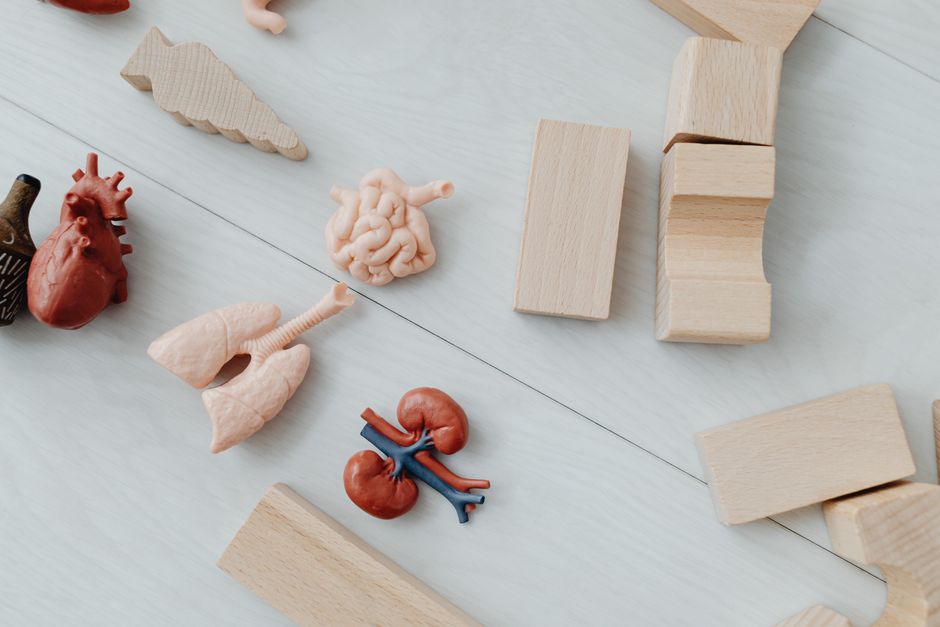
A kidney stone is usually closest to passing when the pain shifts from a dull ache in your side or back to sharp, waves of pain lower down, near the bladder or groin. That movement often signals the stone has left the kidney and is traveling down the ureter toward the bladder. Once it reaches the bladder, the worst pain often eases, and you may feel a sudden urge to urinate or notice a gritty particle in your urine.
Knowing these signs helps you decide when to wait it out at home and when to get medical care. The size and location of the stone matter more than how you feel in any single moment.
What Actually Happens When A Kidney Stone Moves
A kidney stone forms when minerals and salts in urine concentrate and crystallize. Most stones are made of calcium oxalate, though others form from uric acid, struvite, or cystine. They can sit quietly in the kidney for years without causing symptoms.
Trouble starts when a stone breaks loose and enters the ureter, the narrow tube that carries urine from the kidney to the bladder. The ureter is only a few millimeters wide. A stone that is larger than that tube scrapes and stretches the ureter wall, which triggers severe cramping. This is the pain doctors call renal colic.
The pain comes in waves because the ureter squeezes to push the stone along. Between spasms, the pain may ease or briefly disappear. That on-and-off pattern is one of the most reliable signs a stone is actively moving rather than sitting still.
How To Know When A Kidney Stone Is About To Pass
The clearest sign a stone is near the end of its journey is a change in where you feel the pain. Early on, pain sits high in the flank or back, just below the ribs. As the stone moves down the ureter, the pain migrates lower and forward, toward the lower belly, groin, or genitals.
When the stone drops into the bladder, the intense cramping often stops. From there, it has to pass through the urethra when you urinate. At this stage you may notice:
- A sudden, strong urge to urinate
- Burning or stinging when you urinate
- A feeling that you still need to go right after finishing
- Visible grit, sand-like particles, or a small solid piece in the urine
- Pink or slightly bloody urine from the stone scratching the urinary tract
The moment of passing is often quick and can be nearly painless if the stone is small. Some people feel a sharp pinch as it exits. Others feel nothing at all and only discover the stone in the toilet or a strainer.
One detail people rarely hear: straining your urine with a fine mesh filter can help your doctor analyze the stone if you catch it. The mineral makeup guides future prevention, so it is worth the small effort.
How Long Does Passing A Stone Take?
Timelines depend heavily on stone size and location. A stone that has already reached the bladder usually passes within hours to a day or two. Stones still in the upper ureter can take much longer, sometimes several weeks.
Size is the strongest predictor. Very small stones pass on their own most of the time. As stones get larger, the odds of spontaneous passage drop sharply, and the risk of getting stuck rises. Rather than memorizing exact millimeter cutoffs, the practical point is this: the smaller the stone, the more likely it will pass without a procedure, and the larger it is, the more likely you will need medical help.
Location matters too. A stone near the bladder has a shorter distance left to travel than one near the kidney. Your doctor can estimate both size and position from imaging, which is far more reliable than guessing from symptoms alone.



Signs You Should Get Medical Care Right Away
Most kidney stones pass without lasting harm, but some situations are emergencies. Get care immediately if you have:
- Fever, chills, or feeling generally very unwell alongside the pain
- Severe pain that does not ease with medication
- Vomiting that prevents you from keeping fluids down
- Very little urine, or no urine for many hours
- Blood in the urine that is heavy or does not clear
Fever combined with a kidney stone is the most serious warning sign. It can mean the urinary tract is infected and blocked, which is a medical emergency. Do not wait to see if it improves on its own.
Also seek care if the pain is unbearable, if you cannot function, or if symptoms have dragged on for weeks without the stone passing.
What Helps A Stone Pass More Comfortably
Staying well hydrated is the main thing within your control. Drinking enough fluid increases urine flow, which helps push the stone along. Aim for pale, light-yellow urine as a rough guide, unless your doctor has told you to limit fluids for another health reason.
Pain control matters. Nonsteroidal anti-inflammatory drugs such as ibuprofen are commonly used for stone pain, and many clinicians consider them effective for renal colic. However, these drugs are not safe for everyone — people with kidney disease, stomach ulcers, or certain heart conditions should check with a doctor first. Acetaminophen is an alternative for some people.
Some clinicians prescribe a medication called an alpha blocker to help relax the ureter and assist passage. This is common practice, but the evidence for how well it works is mixed, and benefit appears to depend on stone size and location. Ask your doctor whether it is appropriate for your situation.
Heat — a warm bath or heating pad on the painful area — can ease muscle spasm for some people. It does not speed passage, but comfort counts.
When A Stone Will Not Pass On Its Own
Some stones are too large or too stuck to pass without help. If pain is uncontrolled, if the kidney is blocked, or if infection is present, doctors use procedures to remove or break up the stone. Options include shock wave lithotripsy, which uses sound waves to break the stone into smaller pieces, and ureteroscopy, which removes the stone through the urinary tract with a thin scope.
The choice depends on stone size, location, and your overall health. A urologist can explain which approach fits your case. These are established procedures with known risks and benefits, and your doctor will weigh them against the chance the stone passes on its own.
Can You Prevent Future Stones?
If you have had one kidney stone, you are at higher risk of forming another. Prevention focuses on the factors that let minerals concentrate in urine.
Drinking more water is the most consistently supported step. Research has found that higher fluid intake reduces stone recurrence in people who have had stones before. Beyond fluids, dietary changes depend on what your stone was made of and what your urine tests show.
For calcium oxalate stones, the most common type, eating normal amounts of dietary calcium with meals is generally recommended rather than cutting calcium. Calcium binds oxalate in the gut, which can lower the amount that reaches the kidneys. Reducing very high-oxalate foods and limiting sodium also come up often. The specifics should come from your doctor or a dietitian based on your own test results, not a general list.
If you can catch a passed stone, having it analyzed gives your doctor real information to work with. That single step can shape a prevention plan more than any general advice.
Frequently Asked Questions
How do I know when a kidney stone is about to pass?
The pain typically shifts lower, from your back or side toward your groin or bladder, and the intense cramping often eases once the stone reaches the bladder. You may then feel a strong urge to urinate or notice grit in your urine.
Does it hurt when a kidney stone finally comes out?
Passing the stone through the urethra can cause a brief burning or pinching sensation, but for many people the worst pain is over once the stone leaves the ureter. Small stones sometimes pass with almost no discomfort.
How long can a kidney stone take to pass?
A stone already in the bladder often passes within hours to a day or two, while one still higher in the ureter can take several weeks. Smaller stones pass on their own far more often than larger ones.
When should I go to the emergency room for a kidney stone?
Go right away if you have a fever, chills, severe pain that will not ease, repeated vomiting, or very little urine. Fever with a kidney stone can signal a serious infection and needs urgent care.
