
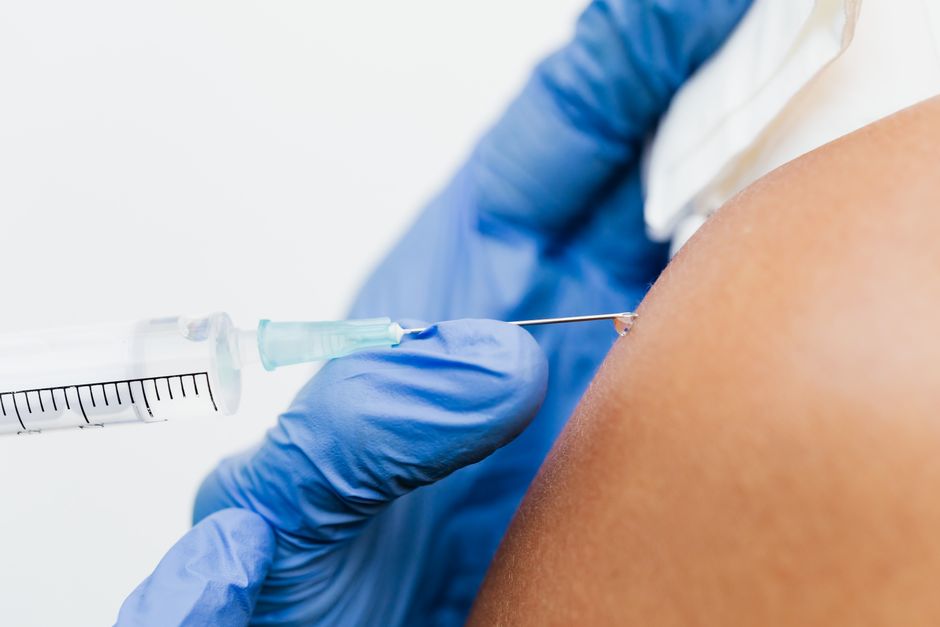
Most people can walk immediately after a PRP injection, but you should plan to take it easy for the first 24 to 48 hours. You will likely be able to put weight on the area right away, yet your doctor will probably advise you to limit walking and standing for a day or two to give the platelets time to start working. The exact timeline depends on where the injection was placed and what condition it is treating.
What Happens Right After a PRP Injection
PRP stands for platelet-rich plasma. Your blood is drawn, spun in a centrifuge, and the concentrated platelets are injected back into the injured area. These platelets release growth factors that signal your body to start repairing tissue.
The injection itself takes only a few minutes. When it is over, you will likely feel some soreness and swelling in the treated area. This is a normal response. The discomfort is usually mild to moderate and typically peaks within the first day.
You will not be sedated for this procedure. You remain awake and alert the entire time. Because no general anesthesia is used, you are physically capable of walking out of the clinic immediately after the injection.
Being physically able to walk is not the same as being ready to walk normally. The injected area needs a short period of relative rest. Walking short distances to get to your car or move around your home is usually fine. Prolonged walking, standing in lines, or taking a long stroll is not recommended in the first 24 to 48 hours.
How Soon Can I Walk After a PRP Injection in My Knee
Knee injections are among the most common PRP procedures. If you had PRP injected into your knee, you can walk immediately after the procedure, but you should expect some stiffness and soreness.
Most doctors recommend using crutches or a cane for the first day or two if walking is uncomfortable. This does not mean you cannot bear weight. It means you should use support to reduce the load on the knee while the tissue begins its healing response.
For the first 48 hours, keep your walking limited to essential movements. Walking to the bathroom or around the kitchen is acceptable. Walking for exercise, shopping, or any activity lasting more than 10 to 15 minutes should wait.
After the first two days, you can gradually increase your walking distance as your comfort allows. Pain is your guide here. If walking causes sharp pain or significant swelling, back off and rest another day.
Walking After PRP in the Foot, Ankle, or Tendon
Injections in the foot, ankle, or Achilles tendon require more caution. These areas bear your full body weight with every step. The pressure can disrupt the healing process if you do too much too soon.
You can still walk immediately after the injection. The needle site will be sore, but you will not be immobilized. However, your doctor may recommend a walking boot or crutches for several days to reduce the mechanical stress on the treated tendon.
This is not the same as being told not to walk. It is a strategy to offload the injured structure while still allowing you to move around. Follow your doctor’s specific instructions because tendon healing is slower and more sensitive to early loading than other tissues.
Returning to normal walking without support usually takes three to seven days for foot and ankle injections. Some people need longer. The key is gradual progression. Start with short distances on flat ground. Avoid stairs, hills, and uneven surfaces during the first week.

Why Rest After PRP Matters
PRP does not work like a painkiller. It does not numb the area or reduce inflammation directly. Instead, it starts a biological process that takes time.
The platelets you received release growth factors over the first several days. These growth factors attract healing cells to the area and stimulate collagen production. This process works best when the tissue is not under constant mechanical stress.
Walking places repetitive load on joints and tendons. Even gentle walking creates tension in the tissues. If you walk excessively in the first two days, you can disperse the platelets before they have done their work or irritate the tissue you are trying to heal.
This is why the standard advice is rest for 24 to 48 hours, followed by a gradual return to normal activity. The rest period is short. It is not weeks of immobilization. It is simply a window of protection during the earliest phase of healing.
When Can I Return to Normal Walking and Exercise
Normal daily walking usually resumes within two to three days after the injection. This means walking at a normal pace for normal daily activities without significant pain.
Returning to exercise walking, jogging, or sports is a different timeline. Most protocols suggest waiting at least one to two weeks before any strenuous lower-body activity. Some cases require longer.
The deciding factor is not the calendar. It is how the treated area responds. You should be able to walk without limping, without sharp pain, and without swelling that worsens after activity. If any of these occur, you are not ready to progress.
Your doctor will likely schedule a follow-up visit to assess your progress. Some people need more than one PRP injection, typically spaced several weeks apart. Each injection resets the rest period.
What Makes Recovery Faster or Slower
Several factors influence how quickly you can walk normally after PRP. The location of the injection is the biggest factor. Weight-bearing joints like the knee and ankle take longer to feel comfortable than non-weight-bearing areas like the shoulder or elbow.
The severity of the underlying injury also matters. A mild tendon strain responds faster than a chronic degenerative condition. Older injuries and tissues with poor blood supply heal more slowly.
Your overall health plays a role. People who are generally fit and active tend to recover faster. Smoking slows healing significantly. Poorly controlled diabetes also delays tissue repair.
Following the post-injection instructions matters more than any other factor. The people who rest for the first two days and gradually progress their activity consistently do better than those who push through pain early.
Signs You Are Doing Too Much Too Soon
Some discomfort after PRP is expected. You need to distinguish normal soreness from signs of overdoing it.
Sharp pain during walking is not normal. Aching soreness that settles with rest is expected. If walking causes a sharp, stabbing sensation, stop and rest.
Significant swelling that increases with activity is a warning sign. Mild swelling in the first day or two is normal. Swelling that worsens each time you walk means you need to reduce your activity level.
If the treated area becomes hot, red, or increasingly painful after the first few days, contact your doctor. These symptoms can indicate an infection or an unusual reaction to the injection. These complications are rare, but they require prompt attention.
Practical Tips for the First Week
Plan ahead before your injection. Arrange for someone to drive you home, especially if the injection is in your knee, foot, or ankle. Driving yourself is usually possible but not ideal if your right leg is the one injected.
- Ice the treated area for 15 to 20 minutes several times a day during the first 48 hours. Always place a cloth between the ice pack and your skin.
- Avoid anti-inflammatory medications like ibuprofen or naproxen for the first week unless your doctor says otherwise. These drugs can interfere with the inflammatory response that PRP relies on.
- Elevate the treated limb when you are sitting or lying down to help control swelling.
- Wear comfortable, supportive shoes. Avoid heels or flat unsupportive footwear during the first week.
- Stay hydrated and eat normally. Your body needs nutrients to support the healing response.
Acetaminophen (Tylenol) is generally considered acceptable for pain if you need something, but confirm this with your doctor first. Acetaminophen does not have the same anti-inflammatory effect as NSAIDs, so it is less likely to interfere with the PRP response.
When You Should Not Walk After PRP
There are situations where walking immediately after PRP is not appropriate. If your injection was placed in a structure that requires complete unloading, your doctor will tell you explicitly.
Some tendon injuries, particularly severe Achilles or patellar tendon issues, may require a period of non-weight-bearing. In these cases, you will use crutches and keep your foot off the ground entirely for a set number of days.
You should also avoid walking if you feel dizzy, lightheaded, or nauseated after the procedure. Some people have a vasovagal response to injections or blood draws. If this happens, sit or lie down until the feeling passes. Do not try to walk until you feel stable.
If you received PRP in your spine, hip, or another deep structure, the instructions may differ. Always follow the specific guidance provided by the physician who performed your injection.
Frequently Asked Questions
Can I walk immediately after a PRP injection?
Yes, you can walk immediately after the procedure, but you should limit walking to short, essential distances for the first 24 to 48 hours. Prolonged walking or standing should wait until the initial soreness subsides.
How many days of rest do I need after PRP?
Most people need one to two days of relative rest, meaning only essential walking and minimal standing. After that, you can gradually increase activity as pain allows.
When can I walk normally without pain after PRP?
Most people walk normally within two to three days after the injection. Walking without any discomfort may take up to a week for weight-bearing areas like the knee or ankle.
Can I take pain medication after PRP?
Avoid ibuprofen, naproxen, and other anti-inflammatory drugs for the first week because they may interfere with the healing response. Acetaminophen is generally acceptable, but confirm with your doctor first.
