

A piercing is supposed to heal into a small, neat hole. Sometimes, the body has a different plan. Instead of a flat scar, a thick, raised lump of tissue grows around the piercing site. That lump is a keloid. It is not a pimple, and it is not a normal part of healing. It is an overgrowth of scar tissue that extends beyond the original wound. Keloids can be itchy, painful, and difficult to remove. They are also more common in certain people than others. Here is what causes them, how to spot them, and what treatment actually works.
What Is A Keloid Piercing Causes? Signs And Treatment
A keloid is an abnormal buildup of scar tissue. When the skin is injured, the body produces collagen to repair the damage. In a normal wound, that collagen stays within the boundary of the injury. In a keloid, the collagen keeps growing. It forms a raised, firm mass that spreads beyond the original piercing hole. Unlike a normal scar, a keloid does not shrink over time. It can continue to grow for weeks or months after the piercing heals.
Keloids are not dangerous. They are benign growths. But they can be a cosmetic concern and cause physical discomfort.
What Causes Keloids on Piercings?
Keloids form because of a specific type of wound healing. The body sends too much collagen to the injury site and does not stop producing it when the wound closes. The exact trigger for this overproduction is not fully understood, but genetics plays a major role.
People with darker skin tones, particularly those of African, Asian, or Hispanic descent, are significantly more likely to develop keloids. A family history of keloids also increases the risk. If a close relative has had a keloid, you are more likely to develop one yourself.
Piercing location matters. Keloids are more common on areas where the skin is under tension. The ear, especially the upper ear or cartilage, is a common site. The nose, navel, and chest are also higher-risk areas. An earlobe piercing can develop a keloid, but it is less common than cartilage piercings.
Infection and trauma can also contribute. A piercing that gets infected, repeatedly bumped, or pulled can trigger excessive scar tissue formation. Poor aftercare, such as touching the piercing with dirty hands, increases the risk of infection.
Age is another factor. Keloids are most likely to form in people between 10 and 30 years old. The risk decreases with age.
Keloid vs. Piercing Bump: How to Tell the Difference
Many people mistake a piercing bump for a keloid. They are not the same thing. A piercing bump is a small, red, irritated area around the piercing hole. It is often caused by trauma, infection, or an allergic reaction to the jewelry. These bumps are usually temporary and respond well to proper aftercare.
A keloid is different. It is a firm, rubbery, and shiny growth. It is often pink, red, or darker than the surrounding skin. It grows beyond the edges of the original piercing hole. A piercing bump stays small and flat. A keloid rises above the skin and keeps growing.
Here is a quick comparison:
| Feature | Piercing Bump | Keloid |
|---|---|---|
| Size | Small, usually less than a pea | Can grow large over time |
| Shape | Flat or slightly raised | Raised, dome-shaped, extends beyond wound |
| Growth | Stays the same or shrinks | Continues to grow for weeks or months |
| Texture | Soft, often tender | Firm, rubbery, sometimes itchy |
| Resolution | Resolves with care | Does not resolve on its own |
If you are unsure what you have, see a dermatologist. They can examine the growth and confirm whether it is a keloid or a different type of scar.
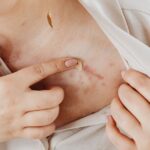




Signs a Keloid Is Forming on a Piercing
Keloids do not appear overnight. They develop gradually. Early signs include a raised area that feels thicker than the surrounding skin. The skin may look shiny and feel firm to the touch. It may be pink or red at first, then darken over time.
Itching and tenderness are common early symptoms. Some people report a burning sensation. These symptoms can come and go. As the keloid grows, it may become less sensitive but more visible.
The key sign is growth beyond the original wound. A normal scar stays within the piercing hole. A keloid spreads outward. If you notice the lump getting bigger instead of smaller, it is likely a keloid.
Keloids can appear weeks after the piercing. They can also appear months later, even after the piercing has fully healed.
Can Keloids From Piercings Go Away on Their Own?
No. Keloids do not resolve without treatment. They are permanent changes to the skin. They may stop growing, but they will not shrink or disappear on their own. In some cases, they continue to grow slowly for years.
This is why early intervention matters. The sooner a keloid is treated, the better the outcome. Smaller keloids are easier to manage than larger ones.
It is also important to note that removing the jewelry does not make a keloid go away. The scar tissue is already formed. Taking out the piercing may stop further irritation, but it will not remove the existing keloid.
What Are the Treatment Options for Piercing Keloids?
Keloid treatment is challenging. No single method works for everyone. Dermatologists often combine treatments for the best results.
Corticosteroid injections are the most common first-line treatment. Steroids are injected directly into the keloid. This reduces inflammation and can flatten the scar over time. Multiple sessions are usually needed, typically every few weeks. This treatment is effective but can be painful. Some people experience skin thinning or lightening at the injection site.
Surgical removal is another option. The keloid is cut out. However, surgery alone has a high recurrence rate. The new wound can form another keloid. To reduce this risk, surgeons often combine excision with steroid injections or radiation therapy after the procedure.
Silicone sheets or gels are a non-invasive option. They are applied directly to the keloid. Silicone helps soften and flatten scar tissue. This works best on newer, smaller keloids. It requires consistent daily use for several months.
Cryotherapy freezes the keloid with liquid nitrogen. This destroys the scar tissue. It is most effective on small keloids. It may cause blistering and temporary skin discoloration.
Laser therapy can help reduce redness and flatten the scar. It is often used in combination with other treatments. Results vary, and multiple sessions are typically required.
Pressure therapy uses specialized earrings or bands to apply constant pressure to the area. This is more common for earlobe keloids. It works best when used immediately after surgery to prevent recurrence.
No treatment guarantees a cure. Keloids can return even after successful treatment. The recurrence rate is high, especially with surgery alone.
What Not to Do With a Piercing Keloid
Do not try to pop or squeeze the keloid. It is not a pimple. Squeezing it will not remove it and can cause infection or make it worse.
Do not use over-the-counter scar creams. Most of these products have not been proven to treat keloids. They may help with normal scars, but they do not stop keloid growth.
Do not apply tea tree oil, aspirin paste, or other home remedies. There is no clinical evidence that these work. Some can irritate the skin and worsen the condition.
Do not get the area re-pierced without medical advice. A new piercing at the same site can trigger another keloid.
How to Prevent Keloids on Future Piercings
If you are prone to keloids, the safest option is to avoid new piercings. The risk is simply not worth it for many people.
If you do get pierced, choose a low-risk location. The earlobe is safer than the cartilage. Avoid the navel and chest. Talk to your piercer about your history of keloids. A reputable piercer will not guarantee you will not get one.
Follow aftercare instructions strictly. Keep the piercing clean. Avoid touching it. Do not change the jewelry too early. These steps do not prevent keloids, but they reduce the risk of infection and trauma, which can trigger scar overgrowth.
If you notice a keloid forming, see a dermatologist early. Early treatment gives you the best chance of managing it.
When to See a Doctor
See a dermatologist if the growth is getting bigger, painful, or itchy. See a doctor if you are unsure whether it is a keloid or another type of bump. A professional can provide a clear diagnosis.
Keloids are not a medical emergency. But they are easier to treat when they are small. Do not wait months to get it checked.
A doctor can also rule out other conditions. Some skin infections and cysts can look similar to keloids. A proper diagnosis is the first step to effective treatment.
Frequently Asked Questions
Will a keloid from a piercing go away if I take the piercing out?
No. Removing the jewelry will not remove the keloid. The scar tissue is already formed and will remain without treatment.
How long does it take for a piercing keloid to form?
Keloids can appear weeks or months after the piercing. They develop gradually and can continue growing for months.
Can I get another piercing after having a keloid?
It is possible, but the risk of forming another keloid is high. Many dermatologists advise against new piercings if you have a history of keloids.
Are keloids dangerous?
No. Keloids are benign growths. They are not cancerous and do not pose a health risk, but they can be uncomfortable and cosmetically unwanted.
