
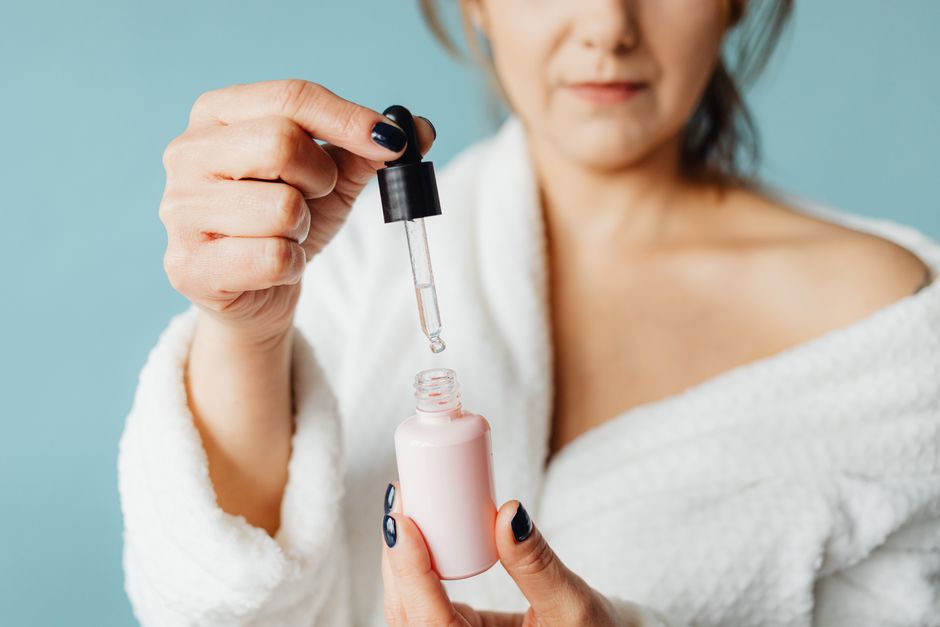
Peptide lip treatments are lip products that list short chains of amino acids — peptides — as their main active ingredient. They usually come as a gloss, balm, or serum, and they are marketed for hydration, smoother texture, and fuller-looking lips. The honest answer on whether they work is split: they can genuinely improve moisture and surface appearance, but the evidence that they increase actual lip volume or permanently change lip structure is limited.
What Is A Peptide Lip Treatment And Does It Work?
A peptide is a short chain of amino acids, the same building blocks that make up proteins like collagen and elastin. In skincare, peptides are used because certain ones can act as signaling molecules in laboratory studies, and because they hold water. In a lip product, they sit in a base of oils, waxes, or humectants like glycerin.
Here is the part most marketing skips. The moisturizing and smoothing you feel is largely the work of that base — the occlusives and humectants that trap water and soften the surface. The peptides are the headline on the label, but they are not necessarily the reason your lips feel better an hour later.
This does not mean peptides do nothing. It means the effect you notice day to day is mostly hydration, and hydration is real. What is not well established is the claim that a peptide product rebuilds lip collagen or adds lasting volume.
How Do Peptides Behave When Applied To The Lips?
The lip surface is skin, but it is a thin and unusual version of it. The outer layer of the lips is more permeable than most of the face, and the lips have no sebaceous glands, meaning they produce no oil of their own to seal in moisture. That is why lips dry out faster than the rest of your face.
When a peptide-containing product is applied, the peptides mostly stay on the surface. Some small peptides may penetrate the outer layer to a limited degree, but a peptide is a relatively large molecule compared with water or glycerin, and the skin is designed to keep large molecules out. This is why injectable fillers, not topical peptides, are the standard for adding volume.
Two things can still happen on the surface:
- Water binding. Some peptides attract and hold water, which plumps the surface temporarily.
- Barrier support. The product base reduces water loss, so lips look and feel less dry.
Both effects are temporary. They last as long as the product is on your lips and the moisture stays trapped.
Can A Peptide Lip Treatment Actually Plump Your Lips?
Not in the way filler does, and probably not in the way the marketing implies. The plumping most people see from a topical product comes from two sources: hydration of the surface, and ingredients like menthol, camphor, or cinnamon derivatives that cause a mild tingling and temporary blood flow increase. That flush can make lips look slightly fuller for a short time.
The tingling sensation is a mild irritant response, not a sign the product is rebuilding tissue. For some people it is pleasant. For others it causes irritation, and repeated irritation can make lips more sensitive over time.
Claims that a topical peptide stimulates new collagen in the lips are not backed by strong human evidence. Some research on peptides and collagen has been done in lab dishes and in facial skin, but that work does not automatically transfer to the lips. The lips are a different tissue with a different structure, and no large human trials have confirmed that a peptide lip product increases lip collagen or lip volume.





What Ingredients In These Products Do Most Of The Work?
If your goal is softer, healthier-looking lips, the ingredients doing the heavy lifting are usually the ones that are not peptides.
- Occlusives like petrolatum, beeswax, shea butter, and various plant oils. These sit on the surface and slow water loss.
- Humectants like glycerin and hyaluronic acid. These draw water toward the surface.
- Emollients that soften and smooth rough texture.
Petrolatum is one of the most effective and well-studied ingredients for reducing water loss from skin. It is not glamorous, but it works. A peptide product built on a strong base of occlusives and humectants will do more for dryness than a peptide product built on a weak base.
This is the non-obvious point worth taking away: when you compare two lip products, the base often matters more than the active ingredient on the front of the tube.
What Can Peptide Lip Treatments Not Do?
They cannot replace lip filler. Injectable hyaluronic acid fillers are the established method for adding lip volume, and they work by placing gel directly into the tissue. A topical product cannot do this because it does not deliver enough material into the deeper layers.
They do not permanently change lip shape or size. Any fullness you see from a topical product fades when the product wears off.
They are not a treatment for a medical condition. If your lips are persistently cracked, peeling, bleeding, or painful, that is a reason to see a clinician, not to buy a different gloss. Persistent lip symptoms can have several causes, including irritation, infection, nutritional issues, or inflammatory conditions, and a topical cosmetic is not the right tool to sort that out.
They also do not replace sun protection. Lips are vulnerable to sun damage, and daily use of a lip product with broad-spectrum sunscreen is one of the more useful things you can do for long-term lip health.
Are Peptide Lip Products Safe?
For most people, these products are well tolerated. Reactions that do occur are usually to other ingredients — fragrance, flavoring, preservatives, or the tingling agents added for a plumping effect — rather than to the peptides themselves.
If you have sensitive skin or a history of reactions to lip products, patch testing on a small area first is reasonable. If a product causes burning, swelling, or a rash, stop using it.
A note on pregnancy and breastfeeding: no clinical guidelines exist specifically for the use of peptide lip products in these groups. That is not the same as saying they are known to be harmful. It means the specific research has not been done, and the cautious approach is to check with a clinician if you have concerns.
Do You Need Peptides To Get Softer Lips?
No. The most reliable path to softer, less cracked lips is consistent basic care, and peptides are optional within that.
- Use a lip product with petrolatum or another effective occlusive, especially overnight.
- Reapply during the day, particularly in dry or cold conditions.
- Use a lip product with broad-spectrum sunscreen during sun exposure.
- Avoid licking your lips, which removes moisture as it evaporates and can worsen dryness.
- Stay hydrated, since dehydration shows up on the lips early.
If you enjoy a peptide product and it keeps your lips comfortable, there is no harm in using one. Just understand what you are buying. You are buying a well-formulated moisturizer with a peptide on the label, not a topical alternative to filler.
How Do You Judge The Claims On The Label?
Look at the ingredient list, not the front of the package. Ingredients are listed by concentration, with the highest amounts first. If a peptide appears near the end of a long list, it is present in a small amount.
Be skeptical of words like “boosts collagen” or “plumps lips” when they appear without a specific, verifiable study behind them. Cosmetic claims are regulated differently from drug claims, and words like “plump” and “hydrate” are often used loosely.
A product that promises visible volume is making a claim that topical products have not been shown to deliver. A product that promises hydration and smoother texture is making a claim that is realistic, as long as the base is good.
Frequently Asked Questions
Do peptide lip treatments actually plump your lips?
They can make lips look temporarily fuller through hydration and, in some formulas, a mild tingling that increases blood flow. They do not add lasting volume the way injectable filler does.
How long do the effects of a peptide lip treatment last?
Any smoothing or plumping effect lasts only as long as the product stays on your lips. Once it wears off, the surface returns to its previous state.
Are peptide lip treatments safe for pregnancy?
No clinical guidelines exist specifically for peptide lip product use during pregnancy or breastfeeding. If you have concerns, check with your clinician before using one.
Can peptides replace lip filler?
No. Injectable hyaluronic acid filler is the established method for adding lip volume, and topical products cannot deliver material into the deeper layers of the lip the way an injection can.
