
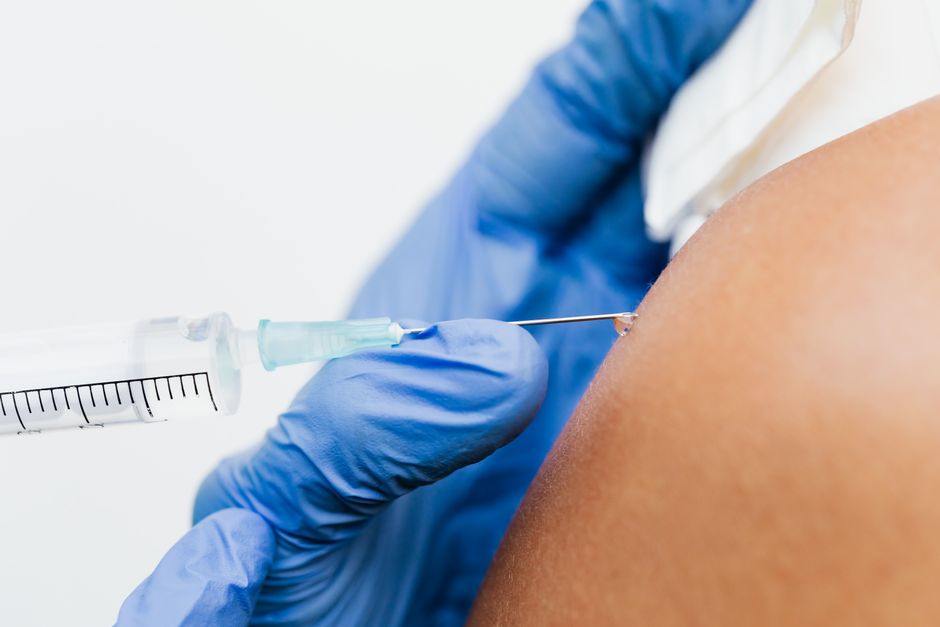
A joint injection is a medical procedure where medication is delivered directly into a joint space using a needle. The most common types are corticosteroid injections for inflammation and hyaluronic acid injections for lubrication. The procedure itself takes only a few minutes in a doctor’s office, and results can last from weeks to several months depending on the type of injection and the joint condition being treated.
What Exactly Happens During a Joint Injection Procedure?
The procedure is straightforward but requires precision. Your doctor will first clean the skin over the joint with an antiseptic. Some doctors use ultrasound guidance to see exactly where the needle needs to go. This is common for deeper joints like the hip or shoulder.
A local anesthetic may be sprayed on the skin or injected first to numb the area. Then the doctor inserts the needle into the joint space and injects the medication. The entire process usually takes less than five minutes. You might feel pressure or a brief sting. Most people tolerate it well without sedation.
After the injection, you will be asked to rest the joint for 24 to 48 hours. The CDC recommends avoiding strenuous activity on the injected joint for at least two days. This rest period helps the medication settle and reduces the risk of complications.
What Are the Main Types of Joint Injections?
There are three main types of joint injections used in clinical practice. Each works differently and targets different problems.
Corticosteroid injections are the most common. They contain a powerful anti-inflammatory medication. Doctors use them for conditions like osteoarthritis, rheumatoid arthritis, and bursitis. The steroid reduces swelling and pain by calming the immune response in the joint. Research published in the Journal of the American Medical Association has shown that corticosteroid injections can provide significant pain relief for several weeks to a few months.
Hyaluronic acid injections, sometimes called viscosupplementation, work differently. They add a gel-like fluid that mimics healthy joint fluid. This improves lubrication and acts as a shock absorber. The FDA has approved these injections specifically for knee osteoarthritis. Some studies suggest they provide longer-lasting relief than steroids for some patients, though the evidence is mixed.
Platelet-rich plasma (PRP) injections use your own blood. A sample is drawn and spun in a centrifuge to concentrate the platelets. These platelets contain growth factors that may help repair damaged tissue. Evidence for PRP is still developing. Some studies show benefit for knee osteoarthritis, but the American Academy of Orthopaedic Surgeons has not yet recommended it as a standard treatment due to inconsistent results.
What Does Research on Joint Injection Results Actually Show?
The evidence for joint injections varies significantly by type and condition. For corticosteroid injections in knee osteoarthritis, a 2019 analysis of 27 trials found that they provide moderate pain relief for up to six weeks. After that, the benefit often fades. For shoulder pain, the evidence is similar — short-term relief is real, but long-term outcomes are not clearly better than physical therapy alone.
Hyaluronic acid injections have a more complicated evidence base. A 2020 Cochrane review found that these injections may provide small to moderate pain relief for knee osteoarthritis for up to six months. However, the quality of the evidence was rated as low to moderate. Some individual studies show strong results, while others show no benefit over placebo. This inconsistency is frustrating for patients and doctors alike.
PRP injections have the weakest evidence overall. A 2021 systematic review in the British Journal of Sports Medicine found that PRP may reduce pain and improve function in knee osteoarthritis compared to placebo. But the effect size was small, and many studies had design flaws. As of 2026, no major medical organization recommends PRP as a first-line treatment for any joint condition.
One honest thing to note: placebo effects are strong in injection studies. When a needle goes into a painful joint, people often feel better simply because they expect to. This is not imaginary — it is a real physiological response. Good studies try to control for this by using sham injections, but it is difficult to blind patients completely.





What Are the Side Effects and Risks of Joint Injections?
Joint injections are generally safe when performed by a trained professional. But they are not risk-free. The most common side effect is temporary pain or swelling at the injection site. This usually lasts one to two days and resolves on its own.
More serious but rare complications include infection, bleeding, and nerve damage. The risk of infection from a joint injection is estimated at less than 1 in 10,000 procedures, according to the American College of Rheumatology. Proper sterile technique keeps this risk very low.
Corticosteroid injections have specific risks worth knowing. Repeated injections can damage cartilage over time. The American Academy of Orthopaedic Surgeons recommends limiting corticosteroid injections to three or four per year in the same joint. Some doctors are even more conservative. There is also a risk of tendon rupture if the steroid is accidentally injected into a tendon rather than the joint space.
Hyaluronic acid injections can cause a rare allergic reaction called pseudogout. This happens when the injected fluid triggers crystal formation in the joint. It mimics a gout attack and requires treatment with anti-inflammatory medication. PRP injections have the lowest risk of allergic reaction since the material comes from your own body, but the risk of infection is still present.
How Do Joint Injections Compare to Other Treatments?
Joint injections are one tool among many. They are not a cure. They treat symptoms, not the underlying condition. Understanding how they compare to other options helps you make informed decisions.
| Treatment | Typical Relief Duration | Best For | Key Limitation |
|---|---|---|---|
| Corticosteroid injection | 2-6 weeks | Acute flare-ups, inflammatory arthritis | Cartilage damage with repeated use |
| Hyaluronic acid injection | 3-6 months | Knee osteoarthritis | Mixed evidence, expensive |
| PRP injection | 3-12 months (varies) | Knee osteoarthritis, tendon issues | Weak evidence, not FDA approved for most uses |
| Physical therapy | Ongoing with maintenance | Most joint conditions | Requires commitment, slower results |
| Oral NSAIDs | 4-12 hours per dose | Mild to moderate pain | Stomach and kidney risks with long-term use |
| Joint replacement surgery | 10-20 years | End-stage arthritis | Major surgery, long recovery |
Physical therapy is often underrated. A 2020 study in the New England Journal of Medicine compared physical therapy to corticosteroid injections for shoulder pain. At one year, patients who did physical therapy had similar or better outcomes than those who got injections. The injections worked faster initially, but the therapy group caught up and stayed improved longer.
Oral NSAIDs like ibuprofen or naproxen are effective for short-term pain but carry risks for the stomach and kidneys when used daily for months. Joint injections avoid those systemic side effects by delivering medication directly to the problem area. This targeted approach is one of their main advantages.
What to Avoid and Common Misconceptions About Joint Injections
Several myths about joint injections persist online. Let me clear up the most common ones based on actual evidence.
- Myth: Joint injections are painful. Most people report only mild discomfort. The numbing agent used beforehand makes the actual injection tolerable. The bigger issue is sometimes soreness for a day or two afterward.
- Myth: One injection will fix the problem permanently. This is not realistic. Joint injections treat symptoms, not the underlying condition. For chronic arthritis, repeat injections are usually needed. No injection can reverse cartilage loss or cure osteoarthritis.
- Myth: More injections work better. The opposite is true for corticosteroids. More frequent injections increase the risk of cartilage damage and tendon rupture. Following the recommended limits matters for your long-term joint health.
- Myth: PRP injections are proven to regrow cartilage. This is widely claimed but strong evidence is limited. Some studies show improvement in symptoms, but no high-quality study has shown that PRP regrows significant amounts of cartilage in humans.
- Myth: You can return to normal activity immediately. Resting the joint for 24-48 hours after an injection is important. Using the joint too soon can spread the medication into surrounding tissues and reduce effectiveness. It also increases infection risk.
Another thing to avoid is expecting immediate results from hyaluronic acid injections. Unlike steroids which work within days, hyaluronic acid can take two to four weeks to reach full effect. Patients sometimes get discouraged and think the injection failed, when they just needed to wait longer.
Frequently Asked Questions
How long does a joint injection procedure take?
The actual injection takes less than five minutes. The entire appointment including preparation and observation usually takes 15 to 30 minutes.
Can I drive myself home after a joint injection?
Yes, for most joint injections you can drive yourself. Some doctors recommend having someone drive if you receive sedation or if the injection is in your right knee or ankle and you drive an automatic car.
How often can I get a corticosteroid joint injection?
Most doctors recommend no more than three to four injections per year in the same joint. Waiting at least three months between injections is standard practice.
Do joint injections hurt more than a blood draw?
Most people find joint injections similar to or slightly more uncomfortable than a blood draw. The numbing medication used beforehand significantly reduces the pain of the injection itself.
