
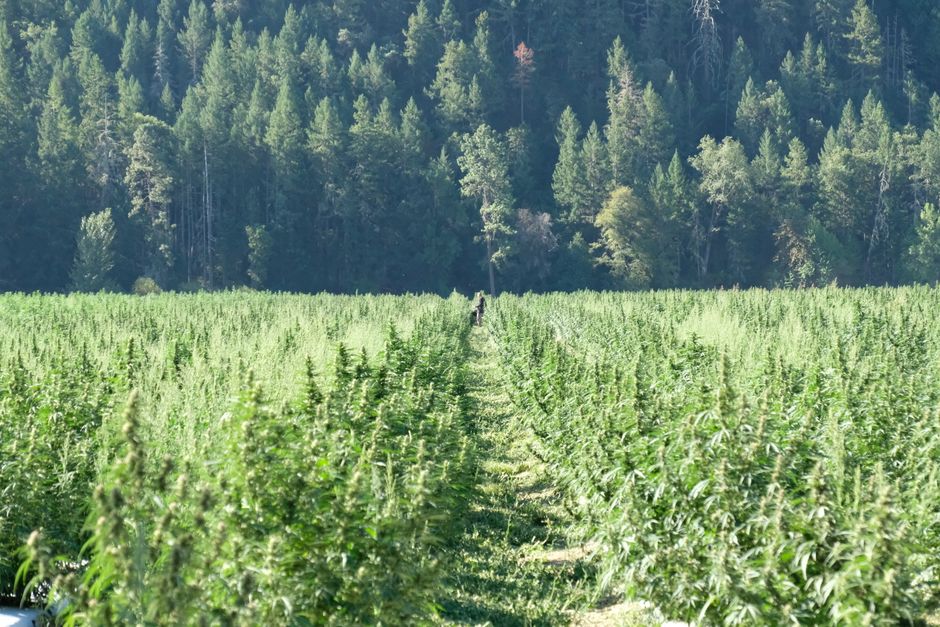
A hemp farm is a commercial agricultural operation that grows hemp, a variety of the Cannabis sativa plant species that is legally defined by its very low THC content. Unlike marijuana, which is grown for its psychoactive effects, industrial hemp is cultivated for its fiber, seeds, and a compound called CBD. The legal distinction hinges on the plant’s THC concentration—hemp must contain no more than 0.3% THC on a dry weight basis under US federal law. This single threshold separates legal hemp from illegal marijuana, and it shapes every type of hemp farm, the laws that govern them, and the potential profits available to growers.
What Are The Main Types Of Hemp Farms?
Hemp farms generally fall into three distinct categories based on the final product they are growing for. Each type requires different equipment, farming practices, and market connections. Choosing the wrong type is a common and costly mistake for new growers.
Fiber and grain hemp farms focus on high biomass production. Fiber is used for textiles, rope, construction materials like hempcrete, and paper. Grain (the seeds) is processed for food products like hemp hearts and protein powder, or pressed for oil. These farms operate like traditional commodity crop operations, using standard agricultural machinery for planting and harvesting. The profit margins here are typically the thinnest, but the market is more stable and the plants are easier to grow.
CBD (cannabinoid) hemp farms grow plants specifically for their flowers and leaves, which contain high concentrations of cannabidiol. This is a more specialized operation. Harvesting often requires hand labor or specialized combines to preserve the delicate flower material. The dried flower is then sent to extraction facilities to produce CBD oil for tinctures, edibles, and topicals. This type of farming offers the highest potential profit per acre, but it also carries the highest risk. The market has seen significant price crashes and oversupply in recent years, making it a volatile venture for new farmers.
Dual-purpose farms attempt to harvest both grain and CBD from the same crop. This is difficult because the timing for harvesting grain (when seeds are mature) conflicts with the optimal harvest time for flower potency. Most growers find that trying to do both results in a lower quality product for each market. In practice, most commercial farms specialize in one primary output to maximize efficiency and quality.
What Are The Key Federal Laws Governing Hemp Farming?
The 2018 Farm Bill is the foundational law for modern hemp farming in the United States. It federally legalized the cultivation of hemp by removing it from the Controlled Substances Act’s definition of marijuana. However, it did not create a free-for-all. The law gave the US Department of Agriculture (USDA) authority to regulate hemp production through the Domestic Hemp Production Program.
Under this program, farmers must obtain a license from their state, tribe, or the USDA directly if their state has not established its own program. The core requirement is compliance with the 0.3% THC threshold. Law enforcement and regulators test hemp crops before harvest to ensure they meet this standard. If a crop tests above 0.3% THC, it is considered marijuana under federal law and must be destroyed, which can result in a total loss of investment for the farmer.
This regulatory framework also impacts banking and insurance. Because hemp was only recently legalized, many financial institutions remain cautious about working with hemp businesses. Farmers often face challenges securing standard crop insurance or business loans, though this has improved as the industry matures. Federal law also requires that all hemp-derived products, including CBD, comply with FDA regulations for food, dietary supplements, and cosmetics—though the FDA has not yet established a clear regulatory pathway for CBD in food products.
How Do State Laws Differ From Federal Law?
State laws add another layer of complexity. While the federal government sets the baseline, each state has the authority to run its own hemp program under USDA approval. This means regulations can vary significantly depending on where you farm. Some states have embraced hemp enthusiastically, while others have imposed strict limitations.
Key differences include licensing fees, application deadlines, testing requirements, and record-keeping rules. Some states require farmers to submit GPS coordinates and field maps for every planting. Others have specific rules about where hemp can be grown relative to marijuana farms to prevent cross-pollination. A few states have outright bans on growing hemp for CBD extraction, allowing only fiber and grain production. Before planting a single seed, a farmer must check their specific state’s department of agriculture website for current rules. Assuming federal law is the only law is a critical error that can lead to fines or crop destruction.





What Is The Profit Potential For A Hemp Farm?
The profit potential for hemp farming is highly variable and depends almost entirely on the type of hemp grown and the current market conditions. The industry experienced a massive boom and bust cycle. When CBD was first legalized, early growers saw extraordinary profits, with some reporting returns of tens of thousands of dollars per acre. That initial hype attracted a flood of new farmers, which led to a massive oversupply and a sharp collapse in prices.
Currently, fiber and grain hemp operate on thin margins similar to other commodity crops like wheat or corn. A farmer might expect to break even or earn a modest profit per acre, but this is subject to fluctuating market prices and yield variability. The processing infrastructure for fiber is still developing in many regions, which can create bottlenecks and reduce the price farmers receive.
CBD hemp can still be profitable, but it is no longer a guaranteed windfall. The price per pound of CBD biomass has dropped dramatically from its peak. Success now depends on efficient production, low labor costs, and securing a reliable buyer before planting. Many hemp farmers have shifted to growing high-quality “smokable” flower for the pre-roll and flower market, which can command higher prices but requires even more specialized cultivation and curing skills.
It is also important to understand that input costs for hemp are not trivial. Seeds, irrigation, labor for hand-harvesting, drying, and testing all add up. A realistic assessment of profit requires a detailed business plan that accounts for these costs, not just the potential gross revenue per acre.
What Are The Biggest Risks For New Hemp Farmers?
The most significant risk is the THC compliance test. A crop that tests “hot” (above 0.3% THC) cannot be legally harvested. This can happen due to genetic instability in seeds, environmental stress, or improper harvesting techniques. There is no legal recourse to sell a hot crop, and the financial loss is total.
Market volatility is the second major risk. The hemp market is young and unregulated in many ways. Prices can swing dramatically from year to year as supply adjusts. Farmers who do not have a contract or a committed buyer before planting are gambling on the spot market, which has proven to be unreliable. The lack of established processing facilities in many areas also means that farmers may grow a successful crop but struggle to find a facility to process it into a sellable product.
Pests and diseases are also emerging concerns. Hemp is susceptible to fungal diseases like powdery mildew and pests like corn earworms and hemp borers. Because hemp was illegal for decades, there is limited research on effective organic and conventional pest management strategies compared to established crops like corn or soybeans. This means farmers often have to rely on trial and error or adapt practices from other crops.
How Profitable Is Hemp Compared To Other Crops?
Comparing hemp to traditional crops like corn or soybeans is difficult because the markets are so different. Corn and soybeans have deep, liquid futures markets, established supply chains, and government subsidy programs. Hemp has none of these. The price of hemp is determined by a small number of processors and extractors, which gives the farmer less bargaining power.
Looking at gross revenue per acre, CBD hemp has historically had the potential to far exceed corn or soybeans. However, the production costs and risks are also significantly higher. A failed corn crop might still yield some value as silage. A failed hemp crop that tests hot has zero value. For fiber and grain hemp, the gross revenue per acre is often comparable to or slightly better than traditional commodity crops, but the market is less stable and the infrastructure is less developed. For most farmers, hemp is not a replacement for their core crops but rather a diversification strategy—a way to potentially earn extra income on a small acreage while accepting higher risk.
Frequently Asked Questions
How much money can you make per acre of hemp?
Profits vary wildly, from a few hundred dollars per acre for fiber to several thousand for CBD flower in a good year. However, high input costs and market volatility mean many farmers break even or lose money, especially with CBD.
Do I need a license to grow hemp?
Yes, a USDA-approved license from your state or tribe is required for all commercial hemp cultivation. Planting without a license is a violation of federal law.
What happens if my hemp tests above 0.3% THC?
The crop is legally defined as marijuana and must be destroyed. The farmer bears the full financial loss, as there is no legal pathway to sell or process a hot crop.
Is growing hemp easy for a beginner farmer?
No, hemp is not an easy crop. It requires specific knowledge of compliance laws, specialized harvesting for CBD, and a reliable buyer, making it riskier than traditional commodity farming.
