
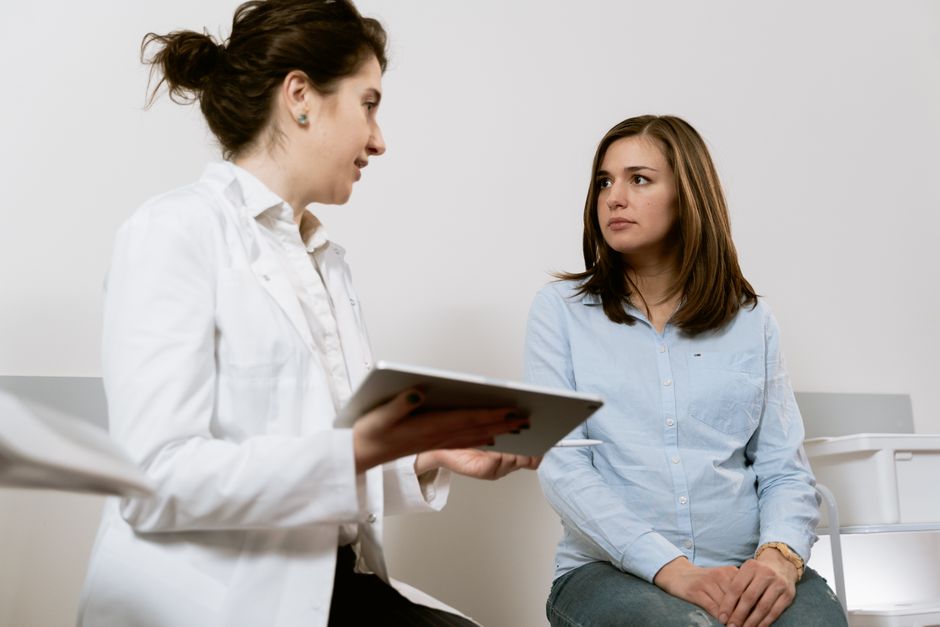
A colonoscopy is a procedure where a doctor uses a long, flexible tube with a camera to look at the inside of your large intestine. You will be sedated, so you will not feel pain. The test takes about 30 minutes, but you need to prepare the day before by drinking a liquid that cleans out your bowel.
What Exactly Happens During a Colonoscopy?
You lie on your left side with your knees pulled toward your chest. The doctor gently inserts the colonoscope into your rectum. The tube is about the thickness of a finger.
The scope has a light and a camera on the tip. It sends images to a screen in real time. The doctor guides the scope through the entire length of your colon, which is about five feet long. Air or carbon dioxide is used to inflate the colon so the walls are easier to see.
Most people receive sedation through an IV before the procedure starts. This keeps you relaxed and drowsy. You may wake up briefly, but most people remember little or nothing afterward. You will not be fully asleep unless your doctor uses general anesthesia, which is less common.
How Do They Do a Colonoscopy What to Expect Step by Step
Here is the order of events from check-in to recovery:
- You change into a hospital gown and remove your underwear.
- An IV line is placed in your arm for sedation.
- Your vital signs are monitored throughout.
- The colonoscope is inserted through the anus and advanced slowly.
- If polyps are found, the doctor removes them with small tools passed through the scope.
- Biopsies may be taken if tissue looks abnormal.
- The scope is withdrawn slowly while the doctor examines the lining again.
- You rest in a recovery area for about an hour until the sedation wears off.
The procedure itself usually lasts 20 to 30 minutes. The total time at the facility is typically two to three hours including preparation and recovery.
What Is the Bowel Prep and Why Does It Matter?
The bowel prep is the most important part of the entire process. Your colon must be completely empty for the doctor to see the lining clearly. If stool remains, the doctor may miss polyps or other abnormalities.
One to two days before the procedure, you switch to a low-fiber diet. The day before, you drink a large volume of a liquid laxative solution. This causes frequent diarrhea that clears out your colon. You will also stop eating solid food and drink only clear liquids like water, broth, and clear juices.
Most people say the prep is the hardest part of the whole experience. The laxative can cause cramping and bloating. Plan to stay near a bathroom for several hours after drinking it. The prep is temporary and uncomfortable, but it is what makes the test accurate.


What Do the Results Mean?
Results are usually discussed with you right after the procedure. The doctor will tell you what was found and whether any polyps were removed. If biopsies were taken, those results take several days to come back from the lab.
Normal results mean no polyps or abnormal tissue were found. In that case, your doctor will likely recommend another colonoscopy in ten years if you are at average risk. This interval is based on guidelines from major gastroenterology organizations.
If polyps were found and removed, your next screening may be sooner. The timing depends on the number, size, and type of polyps. Small polyps that are completely removed may mean a repeat in three to five years. Larger or more numerous polyps may require a repeat in one to three years.
How Painful Is a Colonoscopy?
Most people feel no pain during the procedure because of sedation. You may feel some pressure or cramping, but it usually passes quickly. The air used to inflate the colon can cause bloating and gas afterward.
Without sedation, a colonoscopy can be uncomfortable. Some people choose to have the procedure without sedation, but this is uncommon in the United States. If you are concerned about pain, talk to your doctor about your sedation options before the day of the test.
What Are the Risks and Complications?
Colonoscopy is a very safe procedure, but it is not risk-free. The most common side effects are bloating, cramping, and minor rectal bleeding from biopsy sites. These usually resolve within a few hours to a day.
Serious complications are rare. They include perforation, which is a tear in the colon wall, and heavy bleeding. Perforation occurs in fewer than one in 1,000 procedures. Bleeding from polyp removal can occur and may require additional treatment.
Sedation carries its own small risks, including breathing problems or allergic reactions. Your medical team monitors you continuously to catch these early. People with heart or lung conditions should discuss these risks with their doctor beforehand.
How Long Does Recovery Take?
You will feel groggy for several hours after the sedation wears off. Most people feel back to normal by the next day. You may have mild bloating or gas for a few hours as the air leaves your body.
You cannot drive for 24 hours after the procedure because of the sedation. Arrange for someone to take you home. You should also avoid making important decisions or operating machinery for the rest of the day.
You can usually return to your normal diet immediately after the procedure. If polyps were removed, your doctor may suggest a soft diet for a day or two. Follow any specific instructions you receive at discharge.
Who Should Get a Colonoscopy and How Often?
Colonoscopy is the gold standard for colorectal cancer screening. It can detect cancer early and prevent it by removing precancerous polyps. Most guidelines recommend starting screening at age 45 for people at average risk.
People with a family history of colorectal cancer or certain genetic conditions may need to start earlier. They may also need more frequent screening. Your doctor can help determine the right schedule based on your personal risk factors.
If you have symptoms like blood in your stool, unexplained weight loss, or persistent changes in bowel habits, do not wait for a screening age. Talk to your doctor about whether a colonoscopy is needed sooner.
How Is a Colonoscopy Different From Other Screening Tests?
Other screening tests for colorectal cancer include stool-based tests and flexible sigmoidoscopy. Stool tests like FIT or Cologuard detect blood or abnormal DNA in stool. They are less invasive but must be done more frequently.
Flexible sigmoidoscopy looks at only the lower third of the colon. It requires prep but less sedation. The main advantage of colonoscopy is that it examines the entire colon and allows removal of polyps during the same procedure.
If a stool test comes back positive, a colonoscopy is still needed to confirm the finding. Colonoscopy remains the most complete and definitive screening method available.
Frequently Asked Questions
How long does a colonoscopy take from start to finish?
The procedure itself takes about 30 minutes. Plan to spend two to three hours total at the facility including check-in, recovery, and discharge.
Can I eat before a colonoscopy?
No. You must stop eating solid food the day before the procedure and drink only clear liquids. Your doctor will give you exact instructions based on the prep you are prescribed.
Will I be awake during a colonoscopy?
Most people receive sedation and are drowsy or asleep during the procedure. You will not feel pain, and most people remember little or nothing afterward.
How soon will I know my colonoscopy results?
Your doctor will discuss what was found immediately after the procedure. Biopsy results take several days to come back from the lab.
