
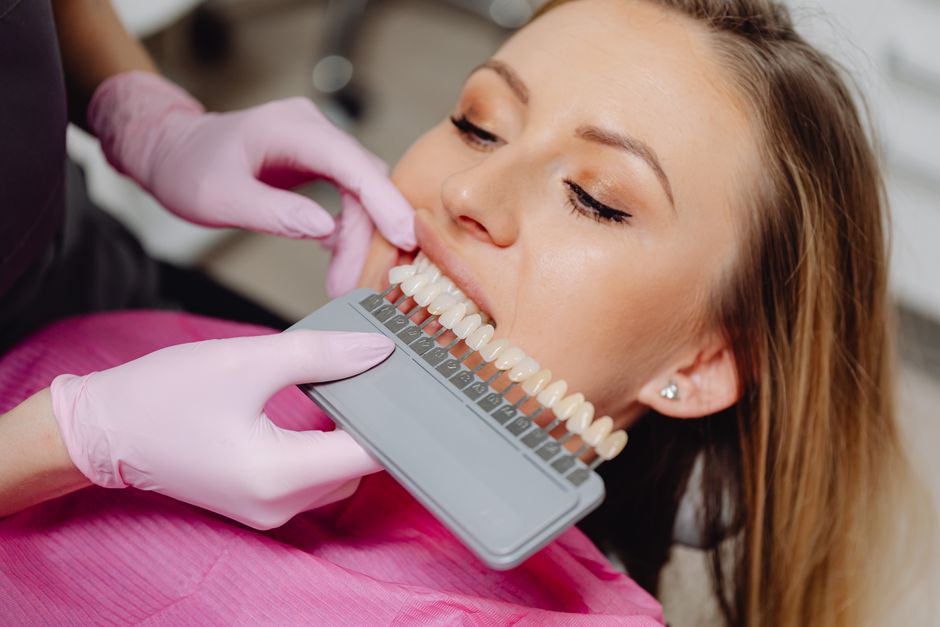
Cosmetic dentistry covers dental treatments that improve the appearance of your teeth, gums, and smile. It includes procedures like whitening, veneers, bonding, and orthodontics, with costs ranging from a few hundred dollars for whitening to several thousand for full-mouth reconstruction. While these treatments are primarily aesthetic, many also restore function and protect dental health, so the line between cosmetic and restorative care often blurs.
What Counts as Cosmetic Dentistry?
Cosmetic dentistry is any dental work that mainly improves how your teeth look. That sounds simple, but the reality is more complex. Many procedures serve both cosmetic and functional purposes.
A filling that repairs a cavity is restorative. A filling placed to close a small gap between front teeth is cosmetic. A crown that protects a cracked molar is restorative. A crown made of porcelain to match your other teeth is both. Dentists often describe these as “aesthetic restorations” because they restore function while improving appearance.
The American Dental Association does not recognize cosmetic dentistry as a formal specialty. That means any general dentist can offer cosmetic procedures. Some pursue additional training, but there is no official board certification for cosmetic dentistry. This matters when you choose a provider.
What Are the Main Types of Cosmetic Dental Procedures?
Cosmetic dentistry includes a wide range of treatments. Some are quick and minimally invasive. Others require multiple visits and significant tooth preparation. Here are the most common categories.
Teeth Whitening
Teeth whitening is the most popular and least invasive cosmetic dental procedure. Professional in-office whitening uses higher concentrations of hydrogen peroxide or carbamide peroxide than store-bought products. Results are immediate, usually several shades lighter in one visit.
Take-home trays from your dentist work more slowly but can achieve similar results over one to two weeks. Over-the-counter strips and gels work too, but with lower concentrations of active ingredients. The evidence for their effectiveness is solid, though results vary by product and starting tooth color.
Whitening does not work on crowns, veneers, or composite fillings. Those materials do not respond to bleaching agents. If you have restorations on front teeth, whitening can create a color mismatch. Your dentist should assess this before you start.
Veneers
Veneers are thin shells of porcelain or composite resin bonded to the front surface of teeth. They correct chips, cracks, discoloration, gaps, and minor misalignment. Porcelain veneers are stain-resistant and look most like natural tooth enamel. Composite veneers are applied directly by the dentist and cost less, but they stain more easily and may not last as long.
Traditional porcelain veneers require removing a thin layer of enamel from the tooth surface. This is permanent. Once enamel is removed, the tooth will always need a veneer or crown. “No-prep” veneers require minimal or no enamel removal, but they are only suitable for certain teeth and bite patterns.
Dental Bonding
Bonding uses tooth-colored composite resin to repair chips, cracks, gaps, or discoloration. The dentist shapes the resin directly on the tooth, hardens it with a curing light, and polishes it. Bonding is usually completed in a single visit and costs less than veneers.
The trade-off is durability. Bonding material is softer than porcelain and more prone to chipping and staining. Most bonding lasts three to five years with good care, though some repairs last longer.
Dental Implants
Implants replace missing teeth. A titanium post is surgically placed in the jawbone, where it fuses with bone over several months. A crown is then attached to the post. Implants look and function like natural teeth and are the only tooth replacement option that preserves jawbone density.
Implants are often classified as restorative because they restore chewing function. But because the visible crown is designed to match surrounding teeth, they are also a cosmetic solution. For many patients, the two purposes are inseparable.
Orthodontic Treatments
Traditional braces and clear aligners straighten teeth and correct bite issues. Clear aligners like Invisalign have made orthodontics more popular among adults who want discreet treatment. Alignment improves appearance, but it also improves oral health by making teeth easier to clean and reducing uneven wear.
Treatment time varies widely. Minor crowding may resolve in six months. Complex bite corrections can take two years or longer.
Gum Contouring
Some people have a “gummy smile” where excess gum tissue covers too much of the teeth. Gum contouring removes excess tissue to expose more tooth surface. This can be done with a scalpel, laser, or electrocautery. Recovery is usually quick, and the aesthetic result is immediate.
Gum grafting is the opposite procedure. It adds tissue to cover receded gums, which protects tooth roots and improves appearance. This is often considered periodontal (restorative) treatment, but it has clear cosmetic benefits.
How Much Does Cosmetic Dentistry Cost?
Costs vary dramatically by procedure, geographic location, and provider experience. The figures below are general ranges based on typical US pricing. Your actual cost may fall outside these ranges.
| Procedure | Typical Cost Range | Typical Longevity |
|---|---|---|
| In-office whitening | $300 – $1,000 | 6 months – 2 years |
| Take-home whitening trays | $200 – $500 | 6 months – 2 years |
| Composite bonding (per tooth) | $300 – $600 | 3 – 5 years |
| Porcelain veneer (per tooth) | $1,000 – $2,500 | 10 – 15 years |
| Dental implant (per tooth) | $3,000 – $6,000 | 15+ years |
| Clear aligners | $3,000 – $8,000 | Permanent with retainer |
| Gum contouring | $500 – $3,000 | Permanent |
Dental insurance rarely covers purely cosmetic procedures. If a procedure also restores function — like a crown on a cracked tooth — insurance may cover part of the cost. Always ask your dentist for a treatment plan with itemized costs before starting. Ask which parts, if any, your insurance may cover.
Many dental offices offer payment plans through third-party financing companies. These allow you to spread the cost over months or years, but interest rates can be high. Read the terms carefully.





What Are the Risks of Cosmetic Dentistry?
Cosmetic procedures carry real risks, and they are not always discussed thoroughly before treatment begins.
Whitening can cause temporary tooth sensitivity and gum irritation. These effects usually resolve within days, but some people experience prolonged sensitivity. Overuse of whitening products can damage enamel over time, so follow your dentist’s instructions rather than whitening continuously.
Veneers require enamel removal. This is permanent and irreversible. If a veneer fails or you decide you do not like it, the tooth is still altered. In rare cases, teeth with veneers develop sensitivity or nerve damage that requires root canal treatment.
Bonding can fail. The material can chip, stain, or separate from the tooth. When bonding fails, bacteria can enter the gap and cause decay under the restoration. This is not always visible from the outside.
Implants carry surgical risks including infection, nerve damage, and implant failure. Smoking and poorly controlled diabetes increase failure rates. The success rate for implants is high — generally above 95 percent over ten years — but failure does happen.
Orthodontic treatment carries risks of root shortening, gum recession, and relapse if you do not wear your retainer. Clear aligners are not suitable for all bite problems. Some complex cases still require traditional braces.
Poorly done cosmetic work can cause more than aesthetic disappointment. A badly fitted crown can trap bacteria and cause decay. An over-contoured veneer can irritate the gums and lead to periodontal disease. This is why provider choice matters as much as the procedure itself.
How Do You Choose a Cosmetic Dentist?
Because cosmetic dentistry has no formal specialty, credentials vary. Look for a dentist who has completed continuing education in cosmetic procedures. Ask to see before-and-after photos of real patients, not stock images. Ask how many times they have performed your specific procedure.
Get a second opinion for major work like veneers, implants, or full-mouth reconstruction. Significant cost differences between providers are common, and so are differences in treatment recommendations. A dentist who recommends removing healthy enamel for veneers may have a different philosophy than one who suggests bonding first.
Ask about warranties. Many dentists offer a warranty on veneers, crowns, or implants that covers replacement within a certain period. Get the warranty terms in writing.
Some people consider traveling abroad for cosmetic dentistry to save money. This carries additional risks. Follow-up care is difficult or impossible, and if a restoration fails, you may face higher costs at home to repair it. Standards of sterilization and materials quality vary by country. No large studies confirm that overseas dental tourism provides equivalent outcomes to US-based care.
Does Cosmetic Dentistry Improve Oral Health?
Some cosmetic procedures improve oral health. Straightening teeth makes brushing and flossing more effective. Replacing a missing tooth prevents neighboring teeth from shifting and preserves bone. Repairing a chip can protect the tooth from further damage.
Other procedures are purely aesthetic. Whitening does not make teeth healthier. Veneers do not prevent decay. Gum contouring does not treat gum disease.
Before pursuing cosmetic work, address any underlying dental problems. Treating decay, gum disease, or bite issues first gives cosmetic restorations a stable foundation. A cosmetic procedure placed on a tooth with active decay or an unhealthy gum line is more likely to fail.
Frequently Asked Questions
Is cosmetic dentistry covered by insurance?
Most purely cosmetic procedures are not covered by dental insurance. If the procedure also restores function, such as a crown on a damaged tooth, insurance may cover part of the cost.
How long do veneers last?
Porcelain veneers typically last 10 to 15 years with proper care. Composite veneers and bonding generally last 3 to 5 years before needing repair or replacement.
Is teeth whitening safe for enamel?
Professional whitening is safe when used as directed, but it can cause temporary tooth sensitivity. Overuse or improper use of whitening products can damage enamel.
What is the cheapest cosmetic dental procedure?
Teeth whitening is usually the least expensive option, starting around $300 for professional in-office treatment. Composite bonding is typically the cheapest option for repairing individual teeth.
