
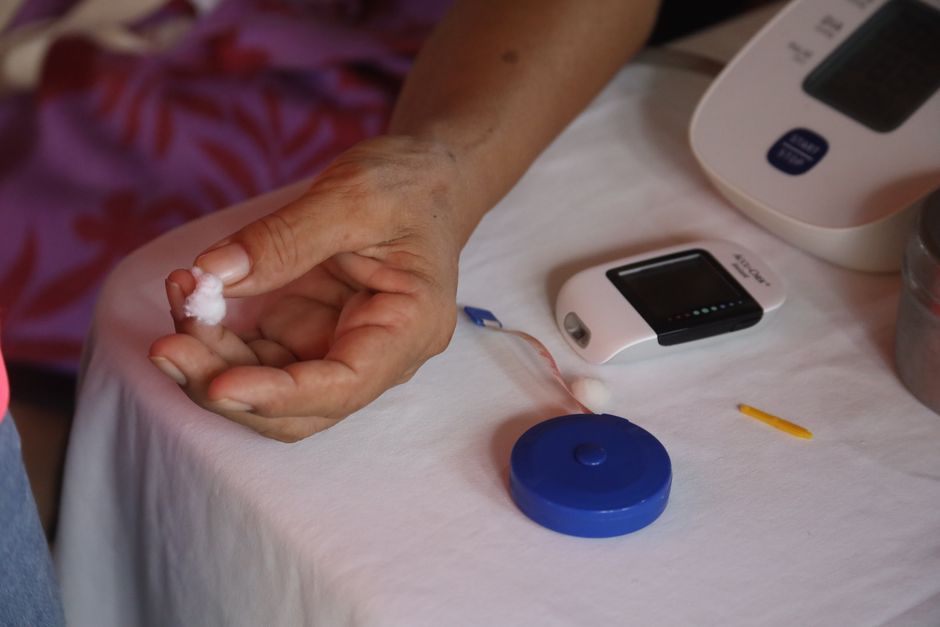
A haemoglobin test measures the amount of haemoglobin in your blood. Haemoglobin is a protein in red blood cells that carries oxygen from your lungs to the rest of your body. This test is a standard part of a complete blood count and helps doctors check for anaemia, polycythaemia, and other blood disorders.
What Does a Haemoglobin Test Actually Measure?
The test directly measures the concentration of haemoglobin in a sample of your blood. Results are reported in grams per decilitre (g/dL). For most adults, normal ranges are roughly 13.5 to 17.5 g/dL for men and 12.0 to 15.5 g/dL for women. These ranges vary slightly between laboratories and can be different for children and pregnant women.
Haemoglobin is what makes red blood cells red. When levels drop too low, your tissues get less oxygen. When levels rise too high, your blood becomes thicker, which can strain your heart and blood vessels. The test gives a snapshot of how well your body is managing oxygen delivery.
It is important to know that this test measures haemoglobin concentration, not the number of red blood cells. While related, they are not the same thing. A person can have a normal red blood cell count but low haemoglobin if the cells are small or lacking haemoglobin, as in iron deficiency anaemia.
Why Would a Doctor Order a Haemoglobin Test?
Doctors order this test for many reasons. The most common is to check for anaemia. Symptoms like fatigue, weakness, pale skin, shortness of breath, and dizziness can all point to low haemoglobin. The test confirms whether anaemia is present and helps gauge its severity.
Doctors also use the test to monitor chronic conditions. Kidney disease, cancer, rheumatoid arthritis, and inflammatory bowel disease can all affect haemoglobin levels. Regular testing helps track how well treatment is working or how the disease is progressing.
Another reason is to check for polycythaemia, a condition where the body makes too many red blood cells. This can cause headaches, blurred vision, and an increased risk of blood clots. The test helps diagnose this condition and monitor treatment like phlebotomy, where blood is removed to lower cell counts.
Pregnant women are routinely tested because pregnancy increases blood volume and can lead to iron deficiency anaemia. Low haemoglobin during pregnancy raises risks for both mother and baby, so catching it early matters.
How Is a Haemoglobin Test Performed?
The test is simple and quick. A healthcare provider draws blood from a vein, usually in your arm. The process takes less than five minutes. You do not need to fast or prepare in any special way for a standard haemoglobin test, though if it is part of a larger panel, your doctor may give specific instructions.
For some people, a finger prick test can give a rough estimate of haemoglobin. This is common in blood donation centres or some clinics. However, the standard venous blood draw is more accurate and is what hospitals and labs rely on for diagnosis.
After the blood is collected, it goes to a lab where a machine measures the haemoglobin. Results typically come back within a few hours to a day. Many clinics now have point-of-care devices that give results in minutes during your visit.



What Do Abnormal Haemoglobin Levels Mean?
Low haemoglobin, called anaemia, has many possible causes. Iron deficiency is the most common worldwide. The CDC reports that iron deficiency affects about 10% of women of childbearing age in the United States. Other causes include vitamin B12 or folate deficiency, chronic disease, blood loss, bone marrow problems, and inherited conditions like sickle cell disease or thalassemia.
High haemoglobin, called polycythaemia, can be a response to living at high altitude, smoking, or lung disease. The body makes more red blood cells to compensate for lower oxygen levels. Less commonly, it results from a bone marrow disorder called polycythaemia vera. Research published in the journal Blood has found that polycythaemia vera affects about 44 to 57 people per 100,000 in the US.
A single abnormal result does not automatically mean you have a disease. Temporary factors like dehydration, pregnancy, or recent blood loss can affect the number. Doctors usually repeat the test before making a diagnosis. They also look at other parts of the complete blood count, like haematocrit and red cell indices, to get the full picture.
The table below shows typical haemoglobin ranges for different groups. Remember that labs may use slightly different ranges.
| Group | Normal Haemoglobin Range (g/dL) |
|---|---|
| Adult men | 13.5 – 17.5 |
| Adult women | 12.0 – 15.5 |
| Pregnant women | 11.0 – 14.0 |
| Children (6 months – 12 years) | 11.0 – 14.5 |
| Newborns | 14.0 – 24.0 |
Can You Raise or Lower Your Haemoglobin Naturally?
If your haemoglobin is low due to iron deficiency, eating iron-rich foods can help. Good sources include red meat, poultry, fish, beans, lentils, spinach, and fortified cereals. Pairing these with vitamin C, like a glass of orange juice, improves iron absorption. The National Institutes of Health recommends 8 to 18 mg of iron daily for most adults, depending on age and sex.
For low haemoglobin caused by B12 or folate deficiency, increasing those nutrients matters. B12 is found in meat, fish, eggs, and dairy. Folate is in leafy greens, citrus fruits, and beans. Some people, especially older adults or those with digestive conditions, may need supplements because they cannot absorb enough from food alone.
If your haemoglobin is high, the main natural approach is to address the underlying cause. Quitting smoking can lower haemoglobin levels over time. Staying well hydrated helps keep blood volume normal. Living at high altitude causes a natural increase that is not harmful for most people, but if levels become too high, your doctor may recommend moving to a lower altitude or regular blood removal.
What does not work well is taking iron supplements when you do not need them. Excess iron can damage organs. Some studies suggest that certain herbal remedies marketed for “blood building” have little evidence behind them. Always check with a doctor before taking any supplement for haemoglobin.
What Are the Risks of a Haemoglobin Test?
The risks are very low. The blood draw itself can cause minor bruising, slight pain, or bleeding at the puncture site. Some people feel lightheaded or faint during or after the draw. These reactions are temporary and not dangerous for most people.
Infection is possible but extremely rare when standard sterile techniques are used. The area should be kept clean and covered for a few hours. If you have a bleeding disorder or take blood thinners, tell the person drawing your blood. They can take extra care to minimize bruising.
There is no risk from the test itself beyond the blood draw. The haemoglobin measurement is done on the sample in a lab, so you are not exposed to anything. The test does not involve radiation or contrast dyes.
Common Misconceptions About Haemoglobin Tests
One widespread myth is that a haemoglobin test can diagnose all types of anaemia. It cannot. The test tells you the amount of haemoglobin but not the cause of the deficiency. To find the cause, doctors need additional tests like ferritin, vitamin B12, folate levels, and sometimes a blood smear or bone marrow biopsy.
Another misconception is that a normal haemoglobin level means you are healthy. While a normal level is a good sign, it does not rule out other blood disorders or health problems. For example, early kidney disease or mild inflammation can exist with normal haemoglobin. The test is just one piece of the puzzle.
Some people believe that donating blood frequently lowers haemoglobin permanently. It does not. The body compensates by making more red blood cells. However, if you donate too often without enough iron intake, you can develop iron deficiency. Blood banks screen for this by checking haemoglobin before each donation.
Finally, many think that a high haemoglobin level always means good health, especially among athletes. That is not true. While athletes may have slightly higher levels due to training, very high levels can indicate a medical problem and increase clot risk. More is not better.
Frequently Asked Questions
Do I need to fast before a haemoglobin test?
No, fasting is not required for a standard haemoglobin test. You can eat and drink normally unless your doctor tells you otherwise for other tests being done at the same time.
Can a haemoglobin test detect cancer?
A haemoglobin test alone cannot detect cancer. However, unexplained low haemoglobin can be a clue that leads a doctor to investigate further for conditions like colon cancer that cause blood loss.
How often should I get a haemoglobin test?
Healthy adults may only need one every few years as part of a routine checkup. People with chronic conditions or anaemia may need testing every few months or as directed by their doctor.
What is the difference between haemoglobin and haematocrit?
Haemoglobin measures the protein that carries oxygen, while haematocrit measures the percentage of your blood that is made up of red blood cells. They are closely related and doctors often look at both together.
