
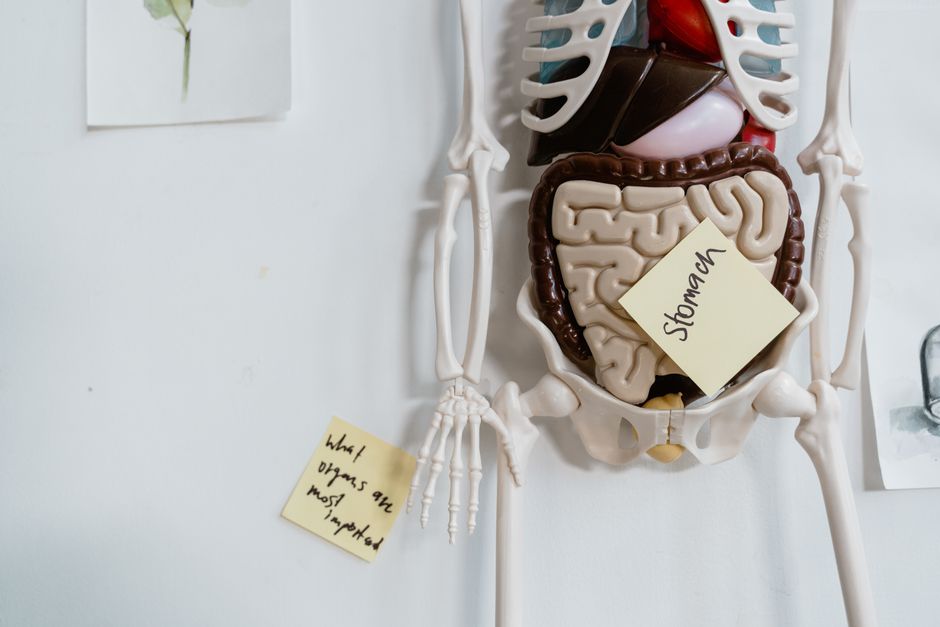
A gut check means pausing to test what your instincts are telling you before you act on them. The phrase comes from the physical sensation many people notice in the stomach during fear, stress, or sudden doubt. But the science behind it is stranger and more interesting than most people expect, because the gut and the brain are in constant two-way contact.
What Is A Gut Check The Idiom And The Science Behind It?
As an idiom, a gut check is a moment of honest self-examination. You stop, notice what your body and instincts are saying, and decide whether that signal is worth trusting. It shows up in sports, business, and everyday decisions like whether to take a job or end a relationship.
The science part is not metaphorical. Your digestive tract contains its own network of roughly 100 million nerve cells, sometimes called the enteric nervous system. That network can operate on its own, which is why researchers often describe the gut as a second brain. It does not think the way your head does. It does, however, send a constant stream of information upward.
Here is the non-obvious part. That “gut feeling” is not your stomach detecting truth. It is your brain reading real physical signals from your body, often faster than you can put them into words.
Why Do We Say Gut Check Instead of Brain Check?
Because the physical sensation is real and it lands in your belly. When you face a threat or a high-stakes choice, your body releases stress hormones. Blood flow shifts. Muscles in the digestive tract tighten or slow. Many people feel that as butterflies, a knot, or a drop.
The brain notices these changes and builds a feeling out of them. Some researchers call this interoception, which simply means your sense of your own internal state. A racing heart, a tight stomach, a dry mouth. Your mind assembles those signals into a sense that something is wrong, or right, before you have a conscious reason.
So the idiom points at the gut because that is where the sensation is easiest to feel. The judgment itself is happening in the brain. The gut is the messenger, not the decision-maker.
What Is the Gut-Brain Axis?
The gut-brain axis is the communication system connecting your digestive tract and your central nervous system. It runs in both directions, all day, without you noticing.
Three main channels carry the traffic:
- The vagus nerve, a long nerve that links the gut to the brainstem and carries signals both ways.
- Hormones and signaling molecules released by the gut that travel through the bloodstream.
- Gut bacteria, which produce compounds that can influence nerve signaling and inflammation.
Most of the traffic on the vagus nerve goes upward, from gut to brain. That is part of why body signals can shape mood and decision-making. It also explains why digestive problems and anxiety so often appear together.
What is well established: the communication exists and matters. What is much less settled: how far gut bacteria directly change your emotions or choices. Some studies suggest a link. The evidence is not strong enough to say bacteria control your decisions.




Is a Gut Feeling Actually Reliable?
Sometimes, and it depends heavily on the situation. Gut feelings tend to be most useful in areas where you have deep experience. A nurse who senses a patient is declining, or a mechanic who hears something off in an engine, is often reading patterns they cannot fully explain. Researchers who study expert decision-making have found that trained intuition can carry real information.
The same signal is unreliable in unfamiliar territory. If you have no experience with a situation, a strong feeling may just be anxiety, bias, or wishful thinking wearing a confident face.
There is also a well-documented problem called the visceral influence effect. Bodily sensations that have nothing to do with the decision, like a full bladder, hunger, or nausea, can quietly shift what you choose. In one line of research, people with full bladders made different financial choices than people who were comfortable. The feeling felt meaningful. It was noise.
So the honest answer is that a gut feeling is data, not proof. It is worth noticing. It is not worth obeying without a second look.
How Do You Do an Actual Gut Check?
A real gut check combines the signal with reasoning. You notice the feeling, then you test it.
- Name the sensation. Is it fear, excitement, dread, or just hunger? Naming it separates the body signal from the story you are telling yourself.
- Ask what your experience says. Have you handled something like this before? If yes, your instinct may be drawing on real pattern recognition.
- Look for the evidence. What facts support the feeling? What facts push against it?
- Check your body state. Are you tired, hungry, sick, or stressed? Any of those can color the signal.
- Slow down if the stakes are high. Big, irreversible decisions rarely need to be made in the moment a feeling hits.
This is not about ignoring your instincts. It is about treating them as one input among several, rather than a verdict.
Can Gut Problems Affect Mood and Thinking?
Yes, and this part has solid clinical grounding. Conditions like irritable bowel syndrome and inflammatory bowel disease are strongly associated with anxiety and depression. The relationship runs both ways. Stress can worsen gut symptoms, and gut symptoms can worsen stress.
What is less clear is the direction of cause and how much gut bacteria are responsible. Researchers have found differences in the gut bacteria of people with certain conditions compared with people without them. Finding a difference is not the same as proving it causes the problem. Correlation and causation are not the same thing, and this is a field where that distinction gets blurred constantly.
The practical takeaway is modest. If you have persistent digestive symptoms along with mood changes, both are worth discussing with a clinician. They are often connected, and treating one can affect the other.
What the Probiotic Marketing Gets Wrong
Probiotic supplements are often sold as a way to improve mood, sharpen thinking, or “heal the gut-brain connection.” That framing runs ahead of the evidence.
Some research suggests certain strains may influence stress responses or mood in specific groups. The results vary widely between studies. Different strains, doses, and populations make the findings hard to compare. No large, consistent body of human trials confirms that probiotics improve mood or decision-making in generally healthy adults.
That does not mean probiotics are useless. Some have reasonable evidence for particular digestive conditions. It means the broad claims about mood and mental performance are not supported by strong human data. If a product promises a clearer mind through your gut, treat that as marketing until better evidence arrives.
Why the Idiom and the Science Point the Same Way
The idiom says to check your gut before you trust it. The science says the same thing, for a concrete reason. Your gut sends real signals, but those signals are shaped by stress, hunger, illness, and bias as much as by insight.
A gut check is not a vote for instinct over reason. It is a pause that lets both speak. Notice the feeling. Then ask whether it deserves your trust. That habit is what the phrase has always meant, and it happens to match what the research actually shows.
Frequently Asked Questions
What does it mean to do a gut check?
It means pausing to examine your instinct before acting on it. You notice the feeling, then weigh it against evidence and experience.
Is a gut feeling scientifically real?
Yes, in the sense that the gut and brain constantly exchange signals through the vagus nerve, hormones, and other pathways. The feeling is real, but it is not automatically accurate.
Can gut bacteria change your mood or decisions?
Some studies suggest a link between gut bacteria and mood, but the evidence is not strong enough to say bacteria control your emotions or choices. More human research is needed.
When should you not trust your gut?
Be cautious when you have little experience with the situation, when you are stressed, tired, or hungry, or when the decision is large and irreversible. In those cases, slow down and gather facts first.
